Kejriwal: Modi govt has no intent to stop paper leaks
Synopsis
AAP convenor Arvind Kejriwal has accused the Modi government of deliberately allowing paper leaks to continue, claiming the multi-billion-rupee racket finances the purchase of legislators. He dismissed measures such as military aircraft transport of papers and blocking Telegram as cosmetic and ineffective.
Key Takeaways
Arvind Kejriwal on 17 June 2026 alleged the Modi government lacks the intent to stop paper leaks in competitive examinations.
He called the paper-leak business a 'billions-of-rupees' racket in which money flows 'all the way to the top.' Kejriwal explicitly linked leak proceeds to funding the purchase of MLAs and MPs , framing it as systemic political corruption.
He dismissed reported government measures — transporting papers by military aircraft and blocking Telegram — as ineffective and 'absurd.' The charges follow the enactment of the Public Examinations (Prevention of Unfair Means) Act, 2024 after the NEET and UGC-NET scandals.
Parliamentary scrutiny of the NTA and the 2024 Act is expected to intensify in the upcoming monsoon session.
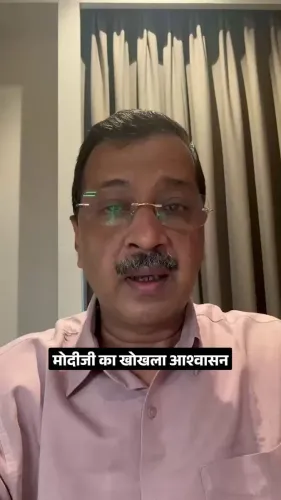
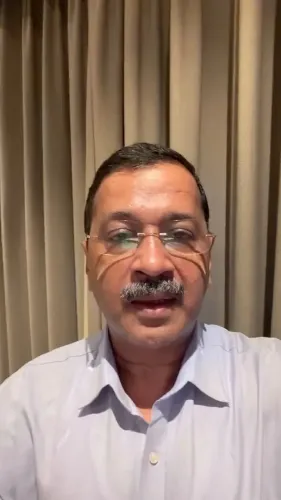
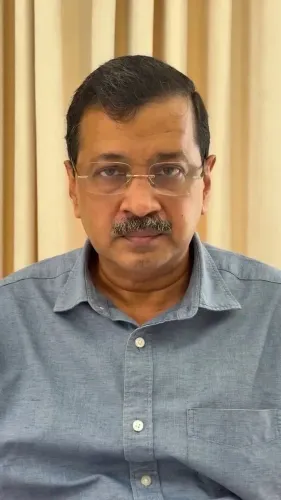
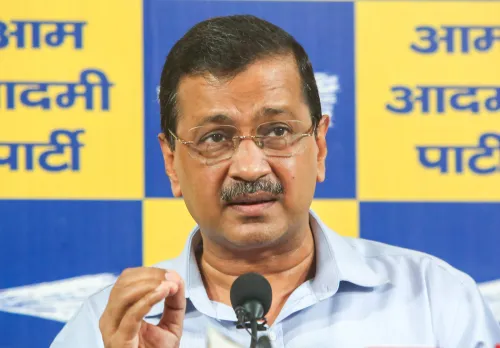
AAP convenor Arvind Kejriwal on Wednesday, 17 June 2026 accused the Modi government of lacking the political will to end paper leaks in competitive examinations, alleging that the multi-billion-rupee racket funds the purchase of legislators and that cosmetic security measures will not dismantle it.
Context
Posting on X, Kejriwal wrote: 'मोदी सरकार की पेपर लीक रोकने की नीयत ही नहीं है' ('The Modi government has no intention of stopping paper leaks'). He cited two specific steps reportedly taken by the government — transporting question papers via military aircraft and blocking the messaging platform Telegram — and dismissed both as ineffective. 'Will paper leaks stop because of these steps? Absolutely not,' he wrote.
Kejriwal further alleged that the paper-leak business is worth 'billions' and that money flows 'all the way to the top,' adding: 'If paper leaks are stopped, where will the money come from to buy MLAs and MPs?'
Policy backdrop
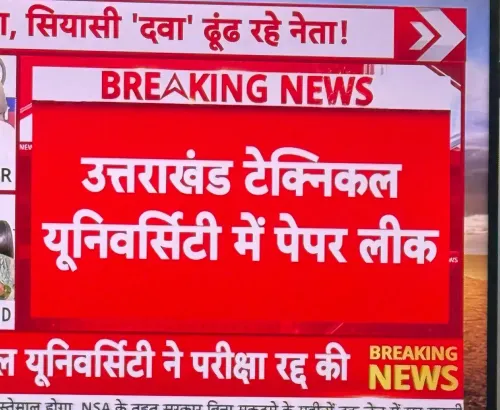
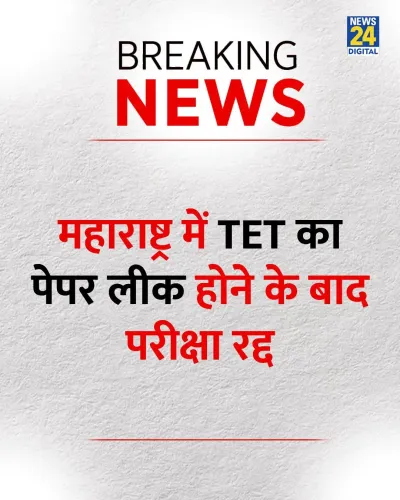
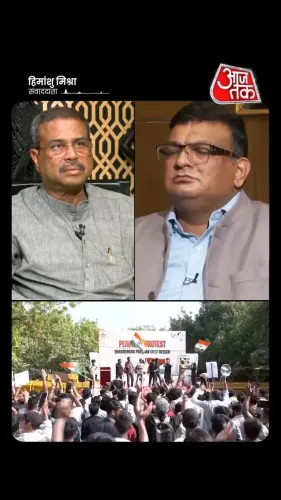
The accusations come in the wake of a string of high-profile examination scandals, most notably the NEET and UGC-NET paper-leak controversies of 2024, which triggered nationwide protests by students and drew intense parliamentary scrutiny. In response, the central government enacted the Public Examinations (Prevention of Unfair Means) Act, 2024, which prescribes harsher penalties and mandates tighter logistics for the printing, storage, and distribution of question papers.
Implementing agencies such as the National Testing Agency (NTA) have since been under pressure to demonstrate systemic reform. The government's reported measures — including stricter digital protocols and secure physical transport — were positioned as part of this reform drive.
Stakeholders and impact
Millions of aspirants preparing for competitive examinations — from central government recruitment tests to medical and engineering entrance exams — are the primary stakeholders. A single paper leak can invalidate months of preparation and delay careers, disproportionately affecting students from economically weaker backgrounds who cannot afford repeated attempts.
Opposition parties, including AAP, have consistently framed paper leaks as a governance failure intertwined with political corruption, a narrative that resonates with a large youth electorate. Kejriwal's post explicitly links the leak economy to the financing of political horse-trading, a charge that carries significant electoral weight.
What's next
The monsoon session of Parliament is expected to see renewed scrutiny of the NTA and the implementation of the 2024 Act, with opposition members likely to press for a special investigation or a joint parliamentary committee. Any fresh leak incident before or during the session could sharpen the political confrontation further.
Kejriwal's intervention signals that AAP intends to keep examination integrity at the forefront of its national campaign, particularly as the party seeks to consolidate its identity as a governance-focused alternative ahead of upcoming state and general elections.
Point of View
Shareable accusation. By alleging that paper leaks are a revenue stream for political horse-trading, he elevates a governance issue into a systemic corruption narrative that is difficult for the ruling party to rebut without appearing defensive. The timing, ahead of a likely contentious monsoon session, suggests AAP is positioning examination reform as a flagship national issue rather than a Delhi-specific concern. Whether the charge gains traction will depend on whether any fresh leak incident surfaces to lend it fresh credibility.
NationPress
17 Sept 2026
Frequently Asked Questions
What did Kejriwal say about paper leaks on 17 June 2026?
Kejriwal accused the Modi government of having no intention to stop paper leaks, calling the racket worth billions of rupees and alleging the money funds the purchase of legislators. He also dismissed government measures like military aircraft transport of papers and blocking Telegram as ineffective.
What is the Public Examinations (Prevention of Unfair Means) Act 2024?
It is a central law enacted in 2024 to prevent unfair practices in public examinations, imposing harsher penalties and mandating stricter logistics for question-paper handling, following the NEET and UGC-NET paper-leak controversies.
Why did the government reportedly use military aircraft to transport exam papers?
The government reportedly adopted military aircraft transport as part of enhanced security measures to prevent question papers from being leaked during transit, following a series of high-profile exam scandals in 2024. The operational details of this specific measure are based on reports cited by Kejriwal and have not been independently confirmed.
What is AAP's position on the paper-leak issue?
AAP, led by Arvind Kejriwal, has consistently framed paper leaks as a governance failure driven by political corruption, alleging that leak networks generate funds used for political horse-trading. The party has called for systemic reform and stricter accountability for implementing agencies like the NTA.
What could happen in Parliament regarding paper leaks?
The upcoming monsoon session of Parliament is expected to see intensified scrutiny of the National Testing Agency and the implementation of the 2024 Act, with opposition parties likely to push for a special investigation or joint parliamentary committee inquiry.