Kejriwal hails CWG 2026 athletes, demands protest over wrestling and shooting omissions
Synopsis
AAP convenor Arvind Kejriwal congratulated India's 2026 Commonwealth Games athletes while demanding a formal protest over the removal of wrestling and shooting from the CWG roster, calling the omissions deeply disheartening and urging structural sports investment to lift India to the top of the medal table.
Key Takeaways
Arvind Kejriwal congratulated Indian athletes who won medals at the 2026 Commonwealth Games on 3 August 2026 .
He called the removal of wrestling and shooting from the CWG roster 'deeply disheartening' and 'unfair.' Kejriwal urged India to 'strongly protest' the omission of these two disciplines at the international level.
He argued that 'thoughtful investments at the grassroots level' and 'proper structural support' could place India at the top of the Commonwealth Games medal table.
The Khelo India programme (launched 2017 ) and the 2010 Delhi CWG infrastructure push form the policy backdrop to his call for deeper sports investment.
A formal response from India's Sports Ministry or National Olympic Committee to the Commonwealth Games Federation remains awaited.
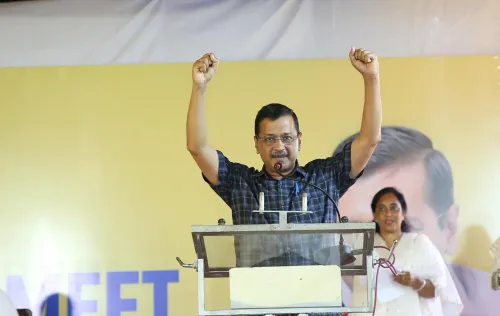
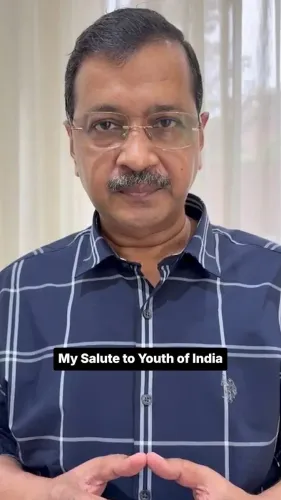
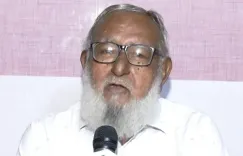
India's medal winners at the 2026 Commonwealth Games earned praise from across the political spectrum on Monday, 3 August 2026 — but AAP convenor Arvind Kejriwal paired his congratulations with a sharp demand: that India formally protest the removal of wrestling and shooting from the Games roster, disciplines where the country has historically dominated.
Kejriwal wrote that while he is 'incredibly proud' of the athletes who 'participated and brought home medals for the country,' it is 'deeply disheartening to see that sports like wrestling and shooting where we traditionally excel have been removed from the CWG roster.' He called the omissions 'unfair' and urged India to 'strongly protest' them.
Why wrestling and shooting matter to India's CWG identity
The two sports are not peripheral to India's Commonwealth Games story — they are central to it. Wrestling and shooting have historically been among India's most reliable medal sources at the Games, with athletes from smaller towns and rural backgrounds punching far above their weight on the international stage. Their removal strikes at the heart of what the Commonwealth Games has meant for Indian sport: a platform where depth of talent, not just elite infrastructure, gets rewarded.
The concern is structural. When an international body removes a discipline, Indian athletes who have spent years training in that event lose not just a competition but a career milestone, a funding trigger, and a visibility moment that grassroots programmes depend on to justify investment.
Grassroots investment and the medal table ambition
Kejriwal's post also pointed forward, arguing that 'thoughtful investments at the grassroots level and proper structural support' could place India 'at the top of the medal table in the future.' That framing aligns with a longer arc of Indian sports policy: the Khelo India programme, launched in 2017, was designed precisely to identify and nurture talent at the district and state level before it reaches the international stage. The 2010 Delhi Commonwealth Games similarly triggered a wave of infrastructure spending that reshaped elite training facilities across the country.
The gap between ambition and outcome, however, has often come down to factors outside India's control — including exactly the kind of roster decisions Kejriwal is flagging now.
The call for a formal Indian protest
Whether India's Sports Ministry or its National Olympic Committee will take up the demand remains the live question. The Commonwealth Games Federation governs event inclusion, and India's leverage as one of the Games' largest delegations and most engaged host nations gives it a credible seat at that table. A formal diplomatic or institutional protest, if filed, would put the federation on notice ahead of planning for the next edition.
For now, Kejriwal has done what opposition politicians do best at moments like this: thread the celebratory needle with a pointed structural critique, ensuring the applause for athletes doesn't drown out the accountability question for administrators.
India's wrestlers and shooters built their careers around a stage that has now been taken from them. The athletes deserve the medals table conversation — and the federation deserves the hard questions that come with it.
Point of View
The post reflects a recurring tension in Indian sports governance: international bodies periodically reshape event rosters in ways that disproportionately disadvantage countries whose competitive strengths lie outside the Western mainstream. Whether this moment produces a coordinated institutional response from India, or fades as post-Games noise, will reveal how seriously the country's sports establishment takes its own medal-table ambitions.
NationPress
17 Sept 2026
Frequently Asked Questions
What did Arvind Kejriwal say about the 2026 Commonwealth Games?
Kejriwal congratulated Indian athletes who won medals at the 2026 Commonwealth Games and demanded that India formally protest the removal of wrestling and shooting from the CWG event roster, calling the omissions deeply disheartening and unfair.
Why were wrestling and shooting removed from the Commonwealth Games?
The Commonwealth Games Federation governs which sports are included in each edition of the Games. The specific reasons for removing wrestling and shooting from the 2026 roster have not been officially confirmed, but such decisions are typically driven by the host city's capacity, broadcast priorities, and federation-level negotiations.
How has India traditionally performed in wrestling and shooting at the CWG?
Wrestling and shooting have historically been among India's most reliable medal-winning disciplines at the Commonwealth Games, with athletes from across the country — including smaller towns and rural areas — regularly finishing on the podium.
What is the Khelo India programme?
Khelo India is a government programme launched in 2017 to promote grassroots sports development and identify talent at the district and state level across India, with the goal of building a stronger pipeline for elite international competition.
Can India formally protest the removal of sports from the Commonwealth Games roster?
Yes. India, as one of the largest and most active Commonwealth Games nations, can raise objections through its Sports Ministry or National Olympic Committee with the Commonwealth Games Federation. A formal protest or lobbying effort ahead of the next edition could influence future roster decisions.