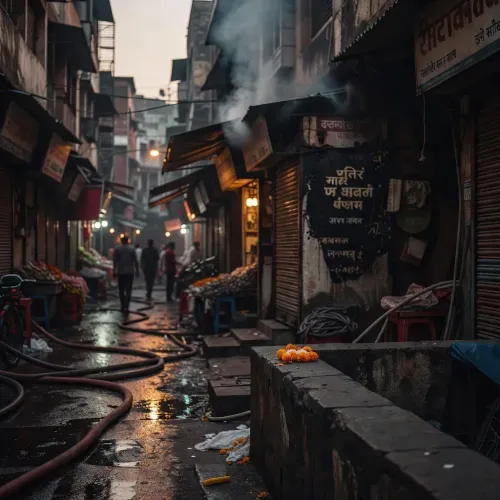
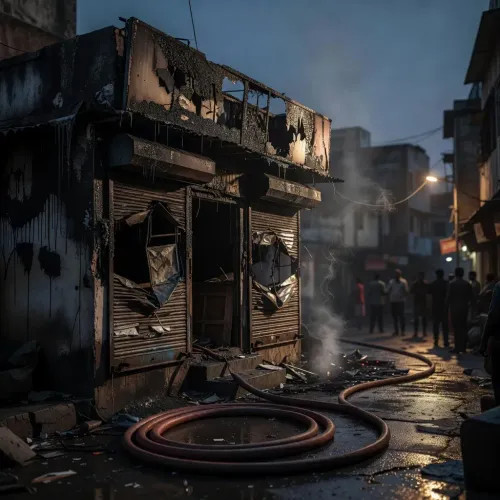
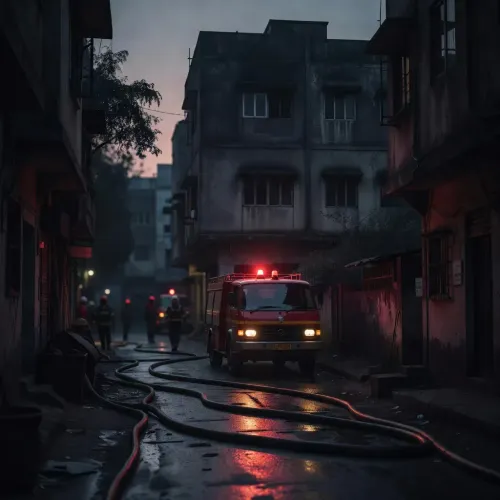
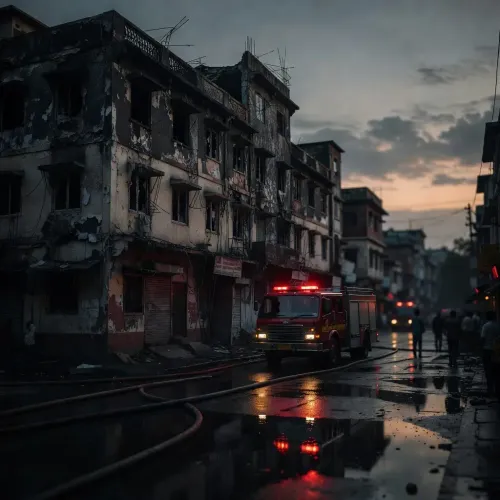
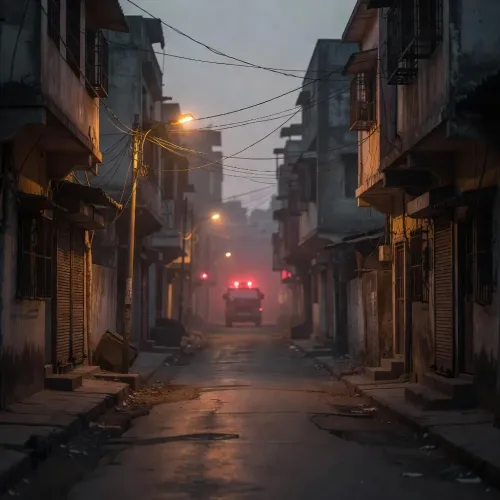
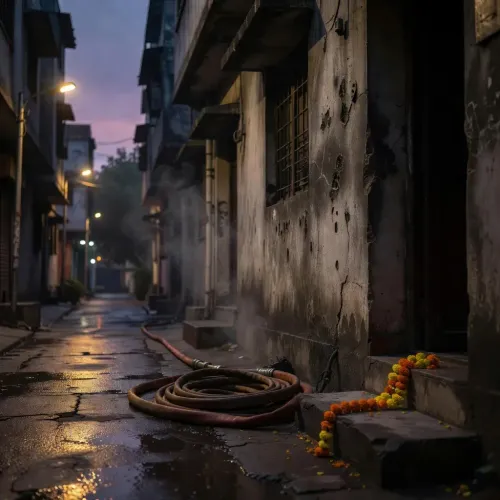
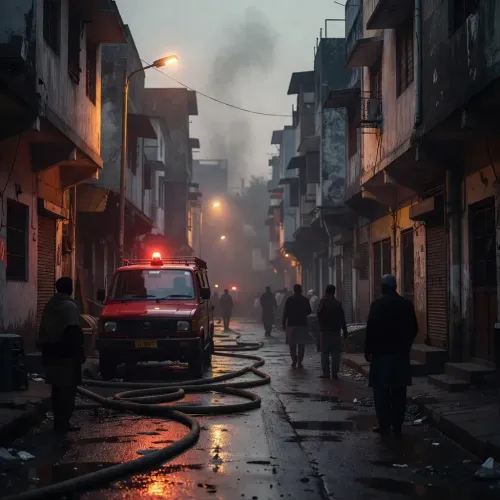
Kejriwal Mourns Malviya Nagar Fire Victims, Flags Delhi Safety Crisis
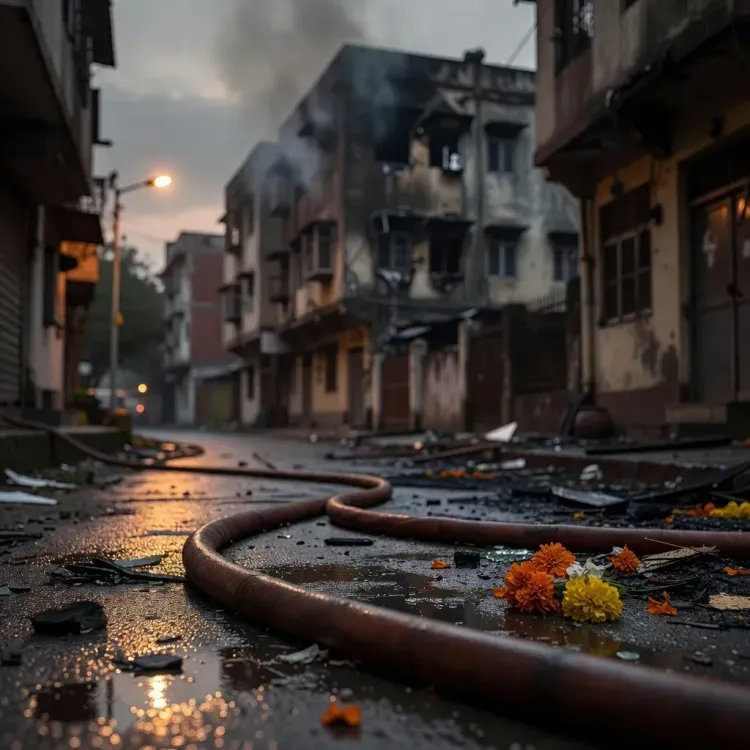
Synopsis
AAP convenor Arvind Kejriwal expressed grief over a devastating fire in Delhi's Malviya Nagar, citing reports of 20 deaths. He prayed for the victims and flagged the rising frequency of fatal fire incidents in the capital as deeply concerning, putting urban safety and civic enforcement back in the political spotlight.
Key Takeaways
AAP convenor Arvind Kejriwal issued condolences over a major fire in Malviya Nagar , South Delhi, on 3 June 2026 .
His post cited tragic reports of 20 deaths in the blaze.
Kejriwal called the pattern of fire incidents and deaths in Delhi 'extremely concerning'.
Malviya Nagar is a dense residential-cum-commercial pocket in South Delhi with mixed building stock.
The statement renews focus on fire-safety audits, building bye-law enforcement and civic accountability in the capital.
AAP convenor Arvind Kejriwal on Wednesday, 3 June 2026, expressed condolences over a major fire in South Delhi's Malviya Nagar that reportedly claimed multiple lives, and described the recurrence of such incidents in the national capital as 'deeply worrying'. The former Delhi Chief Minister offered prayers for the deceased and called attention to what he termed a pattern of fatal blazes across the city.
In his post in Hindi, Kejriwal wrote, 'I pray to God for the peace of the souls of those who lost their lives in the massive fire in Delhi's Malviya Nagar.' He added, 'aaj Malviya Nagar mein itni badi ghatna ho gayi' (a huge incident has occurred in Malviya Nagar today), citing tragic reports of 20 deaths and stating that the continuing fire incidents and deaths of innocent people in Delhi are 'extremely concerning'.
Context
Malviya Nagar, a densely populated residential colony in South Delhi, is home to middle-class housing societies, paying-guest accommodations and bustling local markets. The neighbourhood mixes older low-rise buildings with newer multi-storey constructions, a combination that has frequently raised concerns about narrow lanes, congested wiring and access for emergency vehicles.
Kejriwal's intervention came hours after the blaze was reported, with the AAP convenor framing the tragedy not as an isolated mishap but as part of a wider safety pattern. He did not name any official or agency, but the political subtext of his statement points to questions over civic preparedness in the capital.
Policy backdrop
Delhi has witnessed repeated fire incidents in residential and commercial structures over the past several years, with investigations often pointing to violations of building bye-laws, illegal additions, blocked exits and inadequate fire-safety clearances. Successive administrations have faced criticism over the pace of safety audits and the modernisation of ageing electrical and structural infrastructure.
The capital's governance structure, where the elected Delhi government shares administrative authority with the Lieutenant Governor, has also been a recurring fault line in debates over accountability for civic lapses. Fire services in the city fall within the Delhi government's remit, while enforcement of building norms involves multiple municipal and land-owning agencies.
Stakeholders and impact
The immediate stakeholders are the families of those killed or injured, residents of Malviya Nagar, and neighbouring colonies in South Delhi where similar mixed-use buildings dominate the skyline. Local traders, tenants and homeowners are likely to watch closely for any inspection drive that follows.
For the Aam Aadmi Party, which governed Delhi for over a decade before its recent electoral setback, the statement marks a continuing effort to position itself on civic-governance issues even from the opposition benches. For the current Delhi administration, the incident places pressure on the fire department, the municipal corporation and the urban-development authorities to demonstrate quick action.
What's next
Attention will turn to the official inquiry into the cause of the Malviya Nagar fire, including whether the structure had valid fire-safety clearances and whether exits were obstructed. Announcements on ex gratia compensation for the families of the deceased and the injured are typically expected in the hours and days following such incidents.
A wider question is whether the tragedy will trigger a fresh city-wide fire-safety audit, particularly in high-density residential pockets and in buildings repurposed for commercial use without sanctioned modifications. Kejriwal's framing — emphasising the cumulative toll of repeated fires — suggests the AAP intends to keep the spotlight on enforcement gaps in the weeks ahead, setting up a likely political contest over accountability for urban safety in the capital.
Point of View
Systemic critique second — and it slots into a long-running AAP narrative on civic governance in Delhi. By linking a single tragedy to a 'pattern' of fires, he shifts the conversation from cause-of-fire forensics to questions of enforcement and political accountability. For a party recently displaced from power in the capital, urban-safety failures are politically fertile ground. Expect AAP to press for a city-wide audit and to track the government's response closely.
NationPress
18 Oct 2026
Frequently Asked Questions
What happened in Malviya Nagar today?
A major fire broke out in Delhi's Malviya Nagar on 3 June 2026, with early reports citing around 20 deaths. AAP convenor Arvind Kejriwal publicly mourned the victims and flagged repeated fire incidents in the capital as deeply concerning.
What did Arvind Kejriwal say about the Malviya Nagar fire?
Kejriwal said he prayed for the peace of the souls of those who lost their lives in the 'massive fire' in Malviya Nagar. He described the continuing fire incidents and deaths of innocent people in Delhi as 'extremely concerning'.
Where is Malviya Nagar located in Delhi?
Malviya Nagar is a residential colony in South Delhi, known for middle-class housing societies, paying-guest accommodations and local markets. It is a densely populated area with a mix of older low-rise and newer multi-storey buildings.
Why are fire incidents recurring in Delhi?
Investigations into past Delhi fires have frequently pointed to violations of building bye-laws, illegal structural additions, blocked exits, faulty wiring and inadequate fire-safety clearances. Critics have long pointed to slow enforcement and overlapping jurisdictions between agencies.
Who is responsible for fire safety in Delhi?
Fire services in Delhi fall under the elected Delhi government, while enforcement of building norms involves municipal bodies and land-owning agencies. The Lieutenant Governor also plays a role in the capital's governance structure, which has been a recurring point of political contention.