Kejriwal pays tribute to Birsa Munda on Janjatiya Gaurav Diwas
Synopsis
AAP convenor Arvind Kejriwal on 15 November 2026 paid tribute to Bhagwan Birsa Munda on his birth anniversary, honoured nationally as Janjatiya Gaurav Diwas, calling the tribal leader's struggle for jal-jungle-zameen an enduring inspiration for all Indians.
Key Takeaways
Arvind Kejriwal posted a tribute to Bhagwan Birsa Munda on 15 November 2026 , Janjatiya Gaurav Diwas.
Birsa Munda, born 15 November 1875 in the Chotanagpur region, led the Ulgulan rebellion against British rule and exploitative landlordism.
Known as Dharti Aaba (Father of the Earth), Munda championed tribal rights to water, forests and land — the jal-jungle-zameen framework still cited in policy debates.
The Union Government declared 15 November as Janjatiya Gaurav Diwas in 2021 to honour his legacy.
Annual tributes by leaders across parties reflect the electoral significance of Adivasi communities in states like Jharkhand , Odisha and Chhattisgarh .
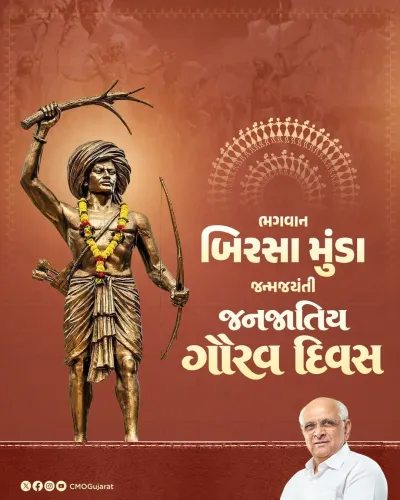
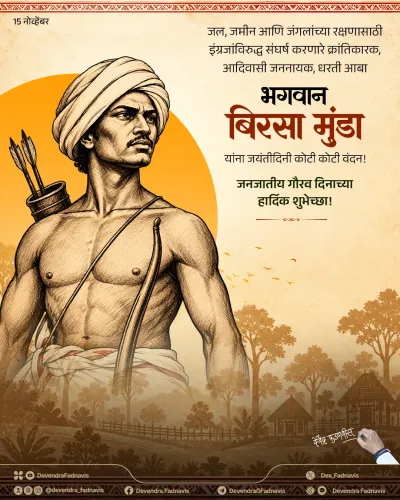
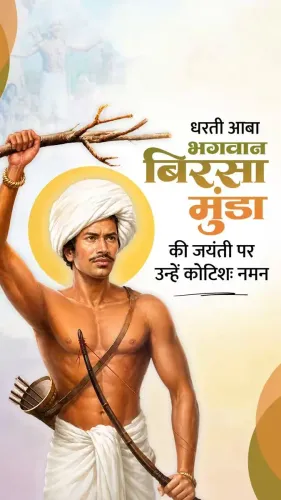
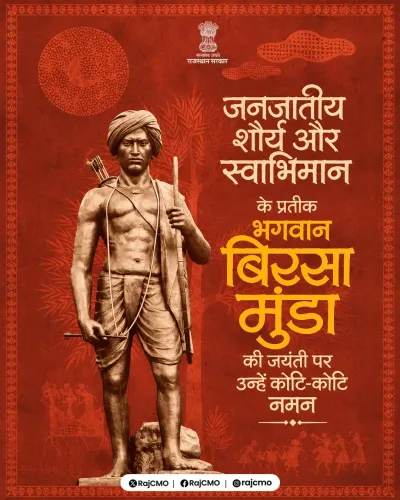
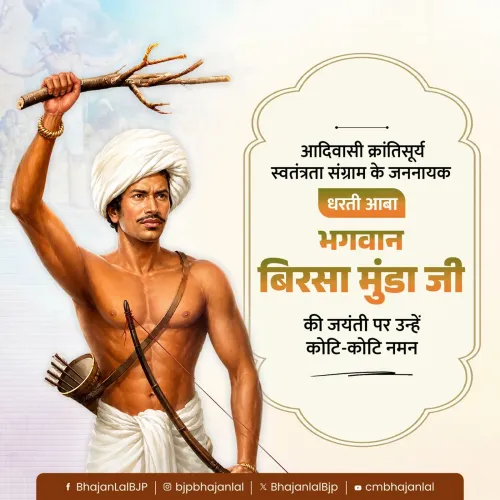
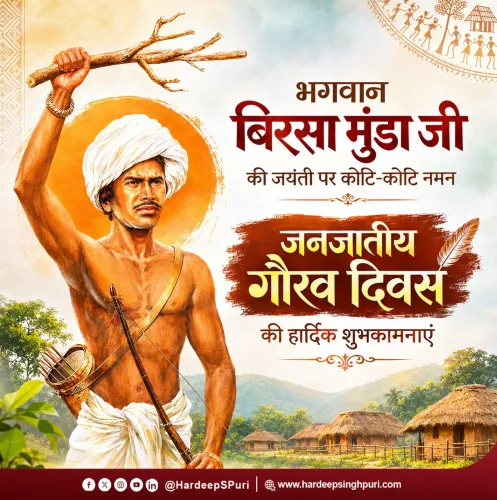
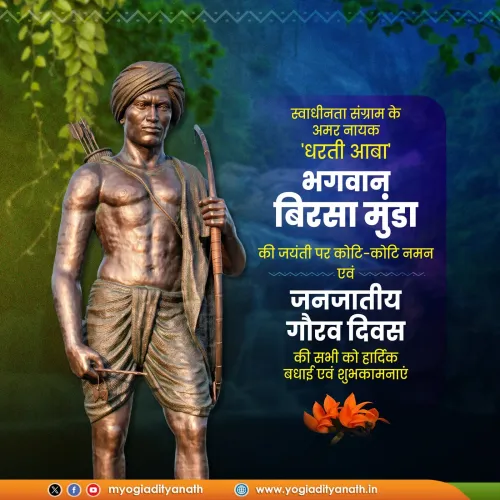
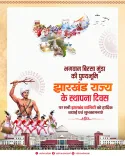
On Janjatiya Gaurav Diwas, 15 November 2026, AAP convenor Arvind Kejriwal paid homage to tribal icon Bhagwan Birsa Munda on his birth anniversary, invoking the leader's legendary fight for jal, jungle, zameen — water, forests and land — as an enduring inspiration for every Indian.
Kejriwal wrote: 'On the birth anniversary of 'Dharti Aaba' Bhagwan Birsa Munda ji, I offer crores of salutations. His historic struggle for the protection of water, forests, land and Adivasi self-respect continues to inspire the entire nation to fight for its rights.' The title Dharti Aaba — 'Father of the Earth' — reflects the reverence Munda communities across Jharkhand, Odisha and Chhattisgarh have long held for the leader.
Who was Birsa Munda — and why the nation remembers him today
Birsa Munda was born on 15 November 1875 in the Chotanagpur region of present-day Jharkhand. A young Munda tribal leader, he launched the Ulgulan ('the great tumult') rebellion in the late 19th century — a movement that simultaneously challenged British colonial rule and the oppressive diku (outsider landlord) system that was stripping tribal communities of their ancestral lands and forests. He died in British custody in 1900, aged just 25, but left behind a political and cultural legacy that outlasted the empire.
His core demand — that tribal communities had an inalienable right to their land, water and forests — prefigured debates that are very much alive today, from the implementation of the Forest Rights Act to displacement controversies around mining projects in central India.
Janjatiya Gaurav Diwas: how 15 November became a national occasion
In 2021, the Union Government formally declared 15 November as Janjatiya Gaurav Diwas to honour Birsa Munda's birth anniversary and recognise the broader contribution of tribal communities to India's freedom struggle. The day has since become a fixture on the national calendar, with leaders across the political spectrum posting tributes and state governments organising cultural programmes in tribal-majority districts.
That cross-party convergence is itself telling. Tributes to Birsa Munda carry electoral weight in states like Jharkhand, Odisha and Chhattisgarh, where Adivasi voters form a decisive bloc. The language of jal-jungle-zameen — the same phrase Kejriwal deployed — has migrated from activist vocabulary into mainstream political speech, signalling how central tribal land rights have become to competitive politics in central and eastern India.
For AAP, a party that built its national brand on urban governance, the tribute also signals a deliberate effort to speak to constituencies beyond its Delhi stronghold — a pattern visible in the party's expanding presence in tribal-heavy assembly segments in recent electoral cycles.
Point of View
Invoking the jal-jungle-zameen framework is a calculated reach beyond its urban base toward tribal constituencies in electorally pivotal central-Indian states. The convergence of every major party on Birsa Munda's legacy underscores how tribal land rights have shifted from the margins of policy debate to the centre of electoral arithmetic. Whether that rhetorical consensus translates into legislative action — particularly on Forest Rights Act implementation — remains the sharper question.
NationPress
15 Nov 2026
Frequently Asked Questions
Why is 15 November celebrated as Janjatiya Gaurav Diwas?
The Union Government declared 15 November as Janjatiya Gaurav Diwas in 2021 to mark the birth anniversary of tribal leader Bhagwan Birsa Munda and honour the contribution of tribal communities to India's freedom struggle.
Who was Bhagwan Birsa Munda?
Bhagwan Birsa Munda was a Munda tribal leader born on 15 November 1875 in the Chotanagpur region. He led the Ulgulan rebellion against British colonialism and exploitative landlords, fighting for tribal rights to land, forests and water. He is revered as Dharti Aaba, meaning Father of the Earth.
What does 'Dharti Aaba' mean?
'Dharti Aaba' is a Munda honorific meaning 'Father of the Earth' and is the title given to Bhagwan Birsa Munda by his community in recognition of his role as a protector of tribal land and nature.
What is the jal-jungle-zameen movement?
Jal-jungle-zameen — meaning water, forests and land — refers to the core demand of tribal rights movements in India, rooted in Birsa Munda's 19th-century struggle, asserting that Adivasi communities have inalienable rights over their ancestral natural resources.
Why did Arvind Kejriwal post about Birsa Munda?
Kejriwal paid tribute to Birsa Munda on his birth anniversary, 15 November 2026, which is observed nationally as Janjatiya Gaurav Diwas. He cited the tribal leader's historical struggle for jal-jungle-zameen rights as an inspiration for all Indians to fight for their rights.