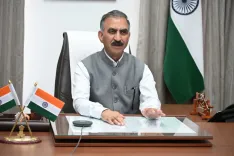
Kejriwal Presses Modi on E10 Fuel Policy for Older Vehicles
Synopsis
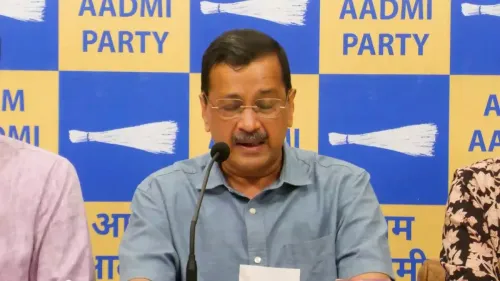
AAP convenor Arvind Kejriwal on 17 August 2026 challenged PM Modi to act on his Chief Economic Advisor's reported advocacy for E10 ethanol-blended petrol for older vehicles, raising the spectre of advisory dismissal if the government ignores internal counsel.
Key Takeaways
AAP convenor Arvind Kejriwal posted on 17 August 2026 highlighting the Chief Economic Advisor's reported support for E10 fuel for older vehicles.
E10 refers to petrol blended with 10 percent ethanol under India's long-running Ethanol Blended Petrol Programme , active since 2003 .
The National Policy on Biofuels (2018) set progressive blending targets as part of India's energy security strategy.
Compatibility of older vehicles with higher ethanol blends has been a persistent technical concern in the programme's rollout.
Kejriwal framed the moment as a test of whether PM Modi will heed internal dissent or replace the advisor — a pattern he attributes to the government.
No official government clarification on revised blending norms or timelines for legacy vehicles has been issued.
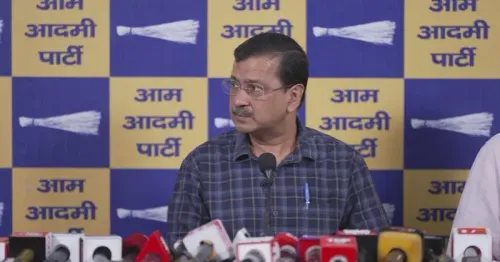
A sharp political question landed on Monday, 17 August 2026, as AAP convenor Arvind Kejriwal called out a rare moment of internal dissent within the Modi government — its own Chief Economic Advisor reportedly advocating E10, or 10 percent ethanol-blended petrol, specifically for older vehicles, a position Kejriwal suggests the Prime Minister may be unwilling to act on.
The E10 Question Older Vehicles Have Been Waiting For
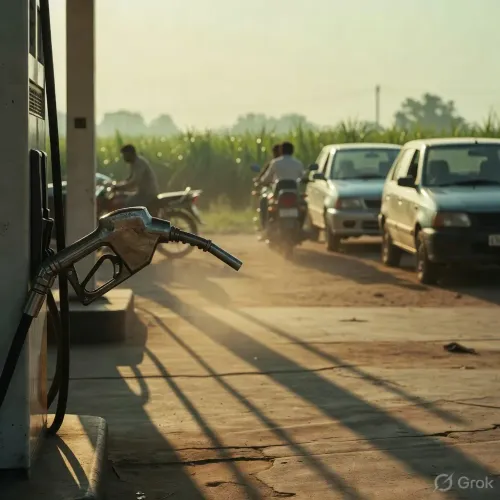
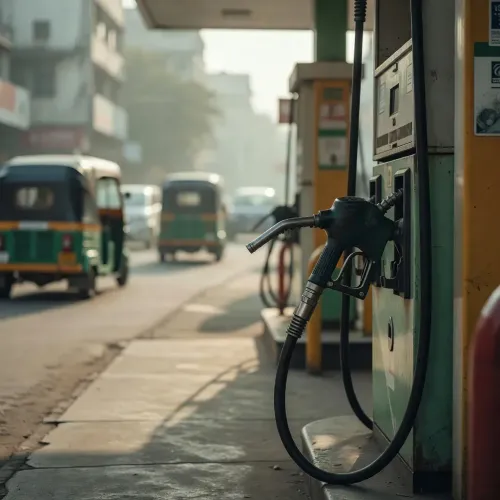
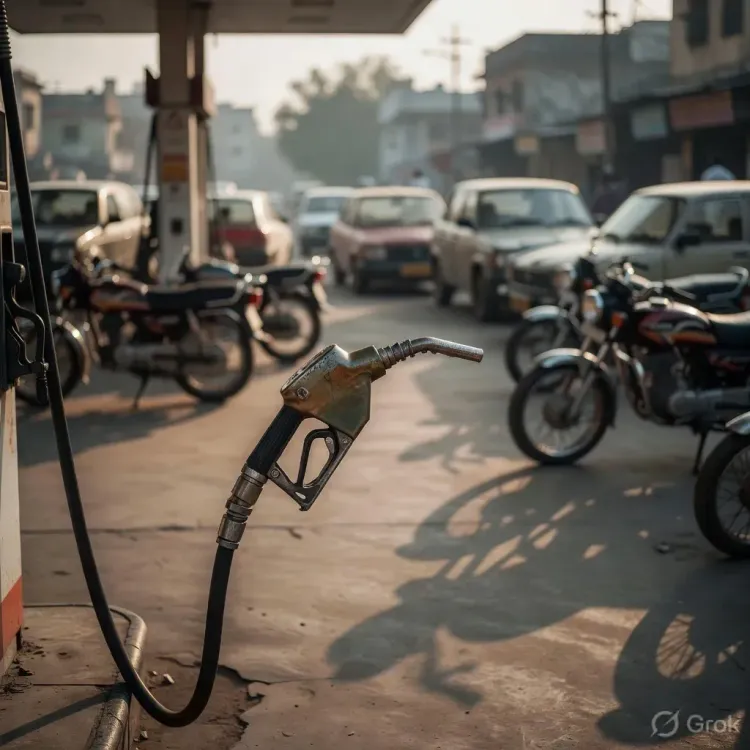
India's Ethanol Blended Petrol (EBP) Programme dates back to 2003, when pilot projects first introduced blended fuel in select states. The National Policy on Biofuels, notified in 2018, gave the programme formal teeth, setting progressive blending targets aimed at energy security and reducing dependence on crude imports. But a persistent fault line has run through the rollout: compatibility. Older vehicles — those engineered before higher-blend fuels became the norm — face potential engine and fuel-system stress from petrol blended beyond certain thresholds.
The Chief Economic Advisor's reported position, as cited by Kejriwal, appears to acknowledge that fault line directly: a differentiated approach that keeps E10 available for legacy vehicles rather than pushing a blanket higher-blend mandate. It is a technically grounded position, and its source — the government's own top economic voice — is what gives Kejriwal's post its edge.
Kejriwal's Pointed Double Question
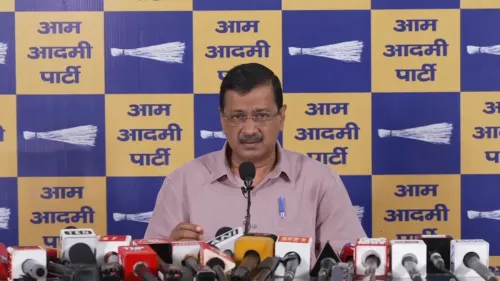
Kejriwal's post frames the moment as a test of the Prime Minister's willingness to hear internal counsel. 'Will Modi ji listen? Or will he replace the Chief Economic Advisor as he always does to dissenting voices?' — the line is a direct political jab, invoking a pattern opposition leaders have long argued: that advisory and institutional voices within the government are rotated out when they diverge from the political line. The research base notes that successive administrations have adjusted senior advisory positions in line with evolving priorities, a practice not unique to any single government but one Kejriwal deploys here as a pointed critique.
The stakes for ordinary Indians are concrete. Millions of older vehicle owners — two-wheeler and four-wheeler alike — stand at the intersection of this policy debate. Ethanol producers and oil marketing companies are the other major stakeholders, each with distinct interests in how blending norms evolve.
What the Government Decides Next
No official clarification has emerged on revised blending timelines or compatibility norms for legacy vehicles. The question Kejriwal has placed in public view — whether the government will act on its own advisor's counsel — now has a political clock attached to it. India's energy transition ambitions are real, but so is the engineering reality of the vehicles already on its roads. The two need not be in conflict. Whether they will be reconciled, or whether the advisory voice will simply be changed, is the story to watch.
A government that listens to its own economists on fuel compatibility would be making a practical, voter-friendly call. The pressure to do so is now, pointedly, on the record.
Point of View
Forcing the ruling party to either act on internal advice or explain why it won't. The E10 compatibility question is genuinely substantive — millions of older vehicles are a real constituency — which gives the political attack a policy spine it might otherwise lack. If the government responds with a concrete blending-norm clarification, Kejriwal loses the narrative; if it stays silent or changes the advisor, the critique compounds. The broader pattern of opposition leaders spotlighting advisory churn as evidence of intolerance for internal dissent is a recurring feature of Indian political discourse, and Kejriwal is deploying it with unusual specificity here.
NationPress
17 Aug 2026
Frequently Asked Questions
What is E10 fuel and why does it matter for older vehicles?
E10 is petrol blended with 10 percent ethanol . Older vehicles may not be compatible with higher ethanol blends due to engine and fuel-system design, making E10 a safer threshold for legacy fleets. India's Chief Economic Advisor reportedly advocated keeping E10 available specifically for such vehicles.
What is India's Ethanol Blended Petrol Programme?
India's Ethanol Blended Petrol (EBP) Programme began in 2003 with pilot projects in select states. The National Policy on Biofuels (2018) formalised progressive blending targets to boost energy security and utilise agricultural residue.
Why did Kejriwal post about the Chief Economic Advisor and E10?
AAP convenor Arvind Kejriwal used the Chief Economic Advisor's reported advocacy for E10 to challenge PM Modi publicly — asking whether the Prime Minister will act on his own advisor's counsel or dismiss the advisor, as Kejriwal alleges the government has done with dissenting voices before.
Has the Modi government responded to the E10 compatibility concern?
As of 17 August 2026 , no official clarification on revised ethanol blending norms or compatibility timelines for older vehicles has been issued by the government.
Who are the main stakeholders in India's ethanol blending policy?
The key stakeholders include older vehicle owners affected by fuel compatibility, ethanol producers who supply blended fuel, and oil marketing companies that distribute petrol across India.