Kejriwal writes to 29 auto firms on E20 petrol compatibility
Synopsis
AAP convenor Arvind Kejriwal wrote to 29 petrol vehicle manufacturers asking whether pre-2023 models can safely use E20 fuel, and announced he would reveal their responses at a noon press conference on 29 July 2026.
Key Takeaways
Kejriwal wrote letters to 29 two-wheeler and four-wheeler manufacturers asking about E20 petrol compatibility in vehicles made before 2023 .
He announced a 12 noon press conference on 29 July 2026 to publicly reveal the companies' responses.
E20 petrol is a blend of 20 percent ethanol and 80 percent petrol being rolled out under India's biofuel programme.
The National Policy on Biofuels 2018 originally set a 2030 E20 target; the government advanced it to 2025 in 2021.
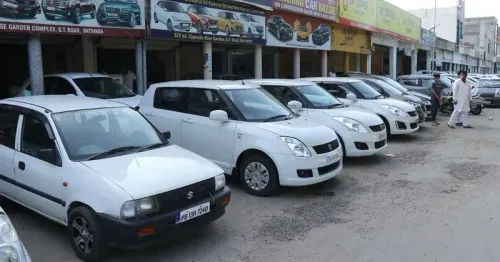
Older vehicles not engineered for higher ethanol blends may face fuel-system compatibility issues — a concern that affects a large share of India's existing vehicle fleet.
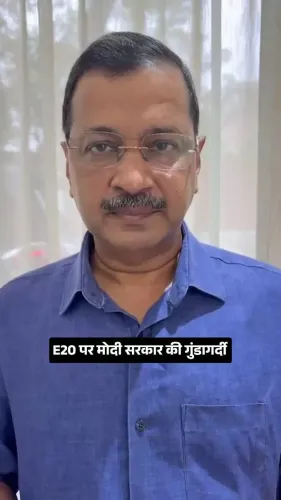
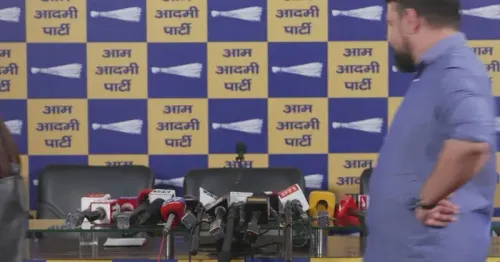
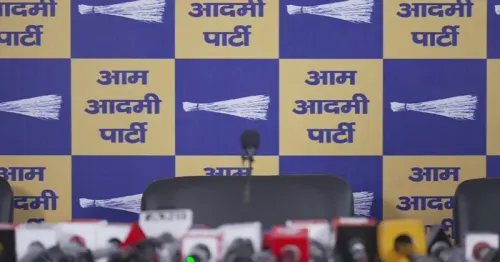
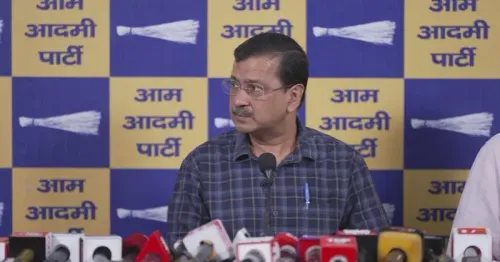
A press conference at noon, a stack of letters sent to 29 automobile manufacturers, and a question that millions of two-wheeler and four-wheeler owners across India are quietly asking — AAP convenor Arvind Kejriwal on Wednesday, 29 July 2026, announced he had written to every major petrol vehicle maker to ask whether their pre-2023 models can safely run on E20 petrol, and that he would reveal their responses at a 12 noon press conference.
In a post in Hindi, Kejriwal stated: 'पेट्रोल के टू व्हीलर और फोर व्हीलर बनाने वाली 29 कंपनियों को मैंने पत्र लिख कर पूछा' — 'I wrote letters to 29 companies that manufacture petrol-powered two-wheelers and four-wheelers, asking whether their vehicles made before 2023 can use E20 petrol.' He added that he would share what answers came back at the noon press conference.
What E20 means for vehicles already on the road
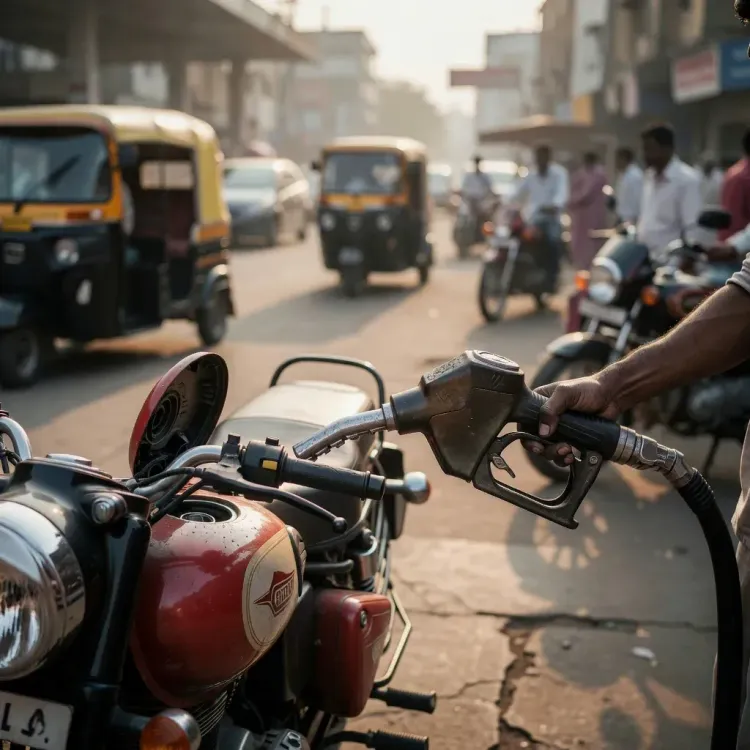
E20 is a blend of 20 percent ethanol mixed with petrol, promoted under India's biofuel programme to cut oil import bills and reduce tailpipe emissions. The central government originally set a 2030 target for E20 blending under the National Policy on Biofuels 2018, then accelerated it to 2025 as part of a phased rollout of higher ethanol blends announced in 2021.
The crux of the compatibility question is materials and engine tuning. Higher ethanol concentrations can affect rubber seals, fuel lines, and carburettors in older engines not designed with E20 in mind. Automakers building vehicles from a certain model year onwards have engineered their engines to handle the blend — but the vast installed base of vehicles manufactured before 2023 sits in a grey zone that has never been officially mapped in public-facing terms.
Why 29 letters and a noon deadline matter
India's vehicle fleet runs into hundreds of millions of units, and the overwhelming majority of those on the road today were built before the E20-ready engineering standards became standard practice. If a significant share of those vehicles face fuel-system degradation or efficiency loss on E20, the rollout carries real consumer risk — one that has so far been discussed more in technical circles than in mainstream public debate.
By writing directly to 29 manufacturers and announcing the answers publicly, Kejriwal is forcing the compatibility question into the open ahead of any formal government disclosure. The Ministry of Petroleum and Natural Gas has oversight of E20 rollout timelines, and its position on compatibility standards for older vehicles will now face sharper scrutiny.
What the companies wrote back — and whether any of them flagged risks for pre-2023 models — is the story that lands at noon.
Point of View
The political pressure on the Ministry of Petroleum to issue formal compatibility guidelines will intensify sharply. This fits a broader AAP pattern of using information-gathering letters as a pre-emptive news instrument.
NationPress
13 Sept 2026
Frequently Asked Questions
What is E20 petrol and is it safe for my vehicle?
E20 petrol is a blend of 20 percent ethanol and 80 percent regular petrol. Vehicles manufactured and certified for E20 can use it safely, but older vehicles — particularly those made before 2023 — may have fuel-system components not designed for higher ethanol concentrations, which is exactly the compatibility question Kejriwal has put to 29 manufacturers.
Why did Kejriwal write to 29 automobile companies about E20?
Kejriwal wrote to 29 petrol vehicle manufacturers to ask whether their vehicles produced before 2023 are compatible with E20 petrol, and announced he would reveal their responses publicly at a noon press conference on 29 July 2026.
When is India's E20 petrol rollout target?
The central government advanced its E20 blending target to 2025, pulling it forward from the original 2030 deadline set under the National Policy on Biofuels 2018.
What happens if an older vehicle uses E20 petrol?
Vehicles not engineered for E20 may experience degradation of rubber seals, fuel lines, or carburettor components over time, and could see changes in fuel efficiency. The extent of risk depends on the specific model and its materials, which is why manufacturer-level answers are significant.
What should vehicle owners do about E20 petrol compatibility?
Vehicle owners with pre-2023 models should check their manufacturer's official guidelines on E20 compatibility. Kejriwal's press conference on 29 July 2026 is expected to bring those manufacturer positions into the public domain.