Kejriwal Questions E20 Fuel Safety for Pre-2023 Cars
Synopsis
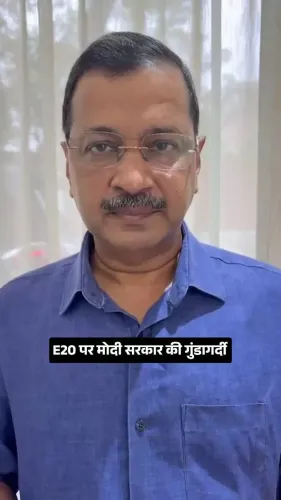
AAP convenor Arvind Kejriwal raised a pointed consumer question on 29 July 2026: can E20 ethanol-blended petrol be safely used in vehicles built before 2023? He revealed auto manufacturers' responses to his direct letter at a live press conference, spotlighting a regulatory gap affecting millions of Indian vehicle owners.
Key Takeaways
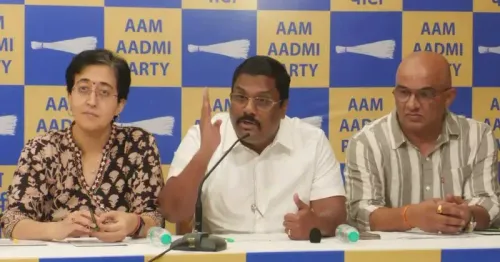
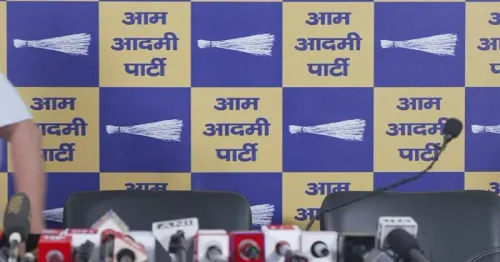
Arvind Kejriwal held a live press conference on 29 July 2026 presenting auto industry responses to his letter on E20 fuel compatibility.
India's National Policy on Biofuels (2018) advanced its 20% ethanol blending target from 2030 to 2025 .
From 2023 , new vehicles sold in India must be E20-compatible under Ministry of Road Transport standards — but no equivalent mandate covers the pre-2023 fleet.
The pre-2023 vehicle parc forms the vast majority of cars, two-wheelers, and three-wheelers on Indian roads, making this a mass consumer issue.
No public guidance from the Ministry of Petroleum and Natural Gas or Bureau of Indian Standards has been issued specifically for older vehicles using E20.
The press event puts pressure on regulators and automakers to issue clear, enforceable advice for existing vehicle owners.
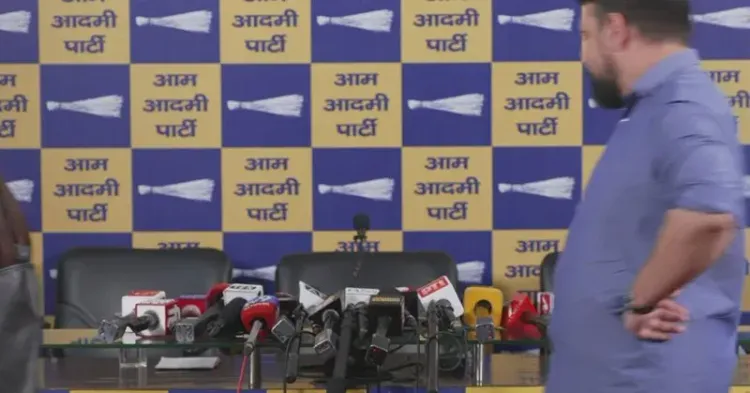
Millions of Indian drivers may be filling their tanks with a fuel their engines were never built for — and AAP convenor Arvind Kejriwal wants the auto industry to answer for it. On Wednesday, 29 July 2026, Kejriwal convened a live press conference to reveal responses he received from automobile manufacturers after writing them directly about the compatibility of E20 fuel — petrol blended with 20% ethanol — with vehicles manufactured before 2023.
The question at the heart of the matter
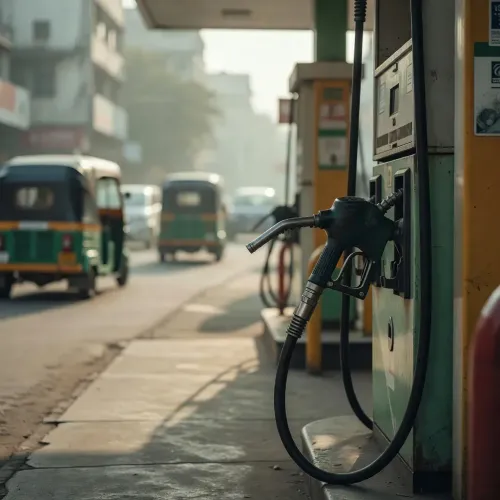
The press event, broadcast live on X, centred on a pointed question Kejriwal had put to car companies: 'क्या 2023 से पहले बनी गाड़ियों में E20 इस्तेमाल हो सकता है?' ('Can E20 be used in vehicles manufactured before 2023?'). The timing is not incidental. India's ethanol blending programme has been accelerating rapidly, with E20 fuel now available at pumps across the country — yet the bulk of vehicles on Indian roads predate the 2023 E20-compatibility mandate issued by the Ministry of Road Transport.
How India's E20 mandate created a two-tier fleet problem
Under the National Policy on Biofuels (2018), India originally targeted 20% ethanol blending by 2030 — a deadline subsequently advanced to 2025. To align vehicle standards, the government required all new cars sold from 2023 onwards to be E20-compatible. The policy logic was sound: newer engines, newer materials, newer fuel-system components designed to handle higher ethanol content.
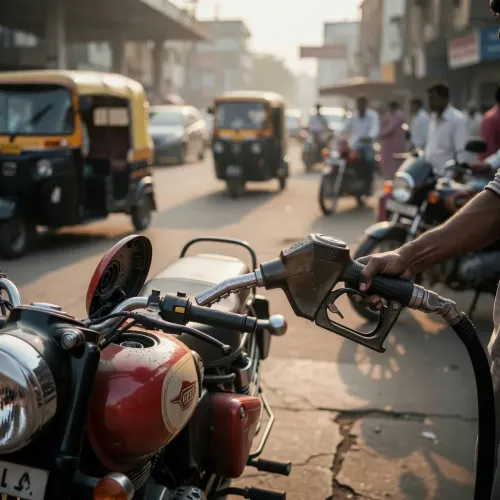
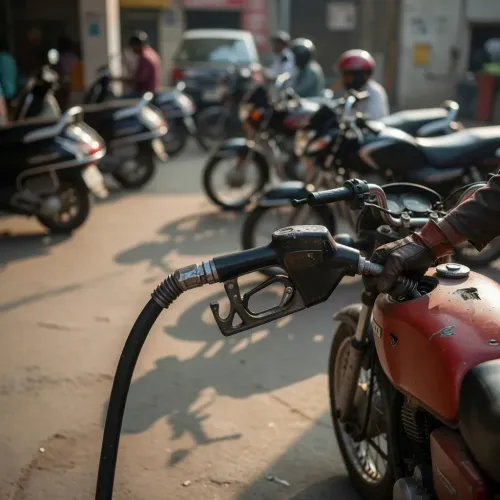
What the mandate did not resolve is the fate of the pre-2023 fleet — tens of millions of cars, two-wheelers, and three-wheelers whose fuel systems, rubber seals, and engine calibrations were designed for lower ethanol concentrations. Ethanol is hygroscopic, corrosive to certain metals and polymers, and carries less energy per litre than pure petrol. Running a non-compatible engine on E20 can, in principle, affect fuel efficiency, component longevity, and engine performance — concerns that consumer groups and mechanics have raised as blending targets climbed.
Kejriwal's letter and the auto industry's reply
By writing directly to automobile manufacturers and then presenting their responses at a public press conference, Kejriwal is deploying a tactic he has used before: converting a technical regulatory gap into a consumer-rights moment. The specific content of the auto companies' replies and the exact claims in his letter could not be independently verified ahead of the press briefing, but the format — a live, on-record reveal — signals he believes the answers are newsworthy.
The episode puts a spotlight on a question that regulators, automakers, and fuel retailers have largely left unanswered for the average vehicle owner: is it safe, and is it legal, to use E20 in an older car? A clear, enforceable answer from the Ministry of Petroleum and Natural Gas or the Bureau of Indian Standards has not been publicly issued for the existing fleet.
What pre-2023 vehicle owners need to know
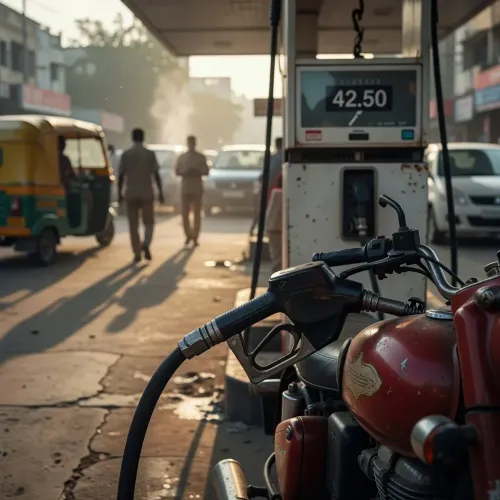
India's vehicle parc — the total number of registered vehicles — runs into hundreds of millions, the overwhelming majority of which were sold before the E20-compatibility requirement took effect. For these owners, the absence of official guidance is not a bureaucratic footnote; it is a daily decision at the fuel pump. Kejriwal's press conference, whatever its political framing, has put that gap on the national agenda in a way that technical ministry circulars rarely manage.
The next move belongs to the regulators and the manufacturers — and, increasingly, the public is watching.
Point of View
He creates accountability pressure that a parliamentary question or RTI filing rarely generates at speed. The episode also exposes a structural gap in India's ethanol blending programme: policy targets have been accelerated without a corresponding public communication strategy for the existing fleet. Whether the government responds with a regulatory clarification or dismisses the concerns will signal how seriously it treats the consumer dimension of its green-fuel ambitions.
NationPress
28 Oct 2026
Frequently Asked Questions
Can I use E20 petrol in my car if it was made before 2023?
India's E20-compatibility mandate applies only to vehicles manufactured from 2023 onwards. No official regulatory guidance has been publicly issued confirming that pre-2023 vehicles can safely run on E20, which is why Kejriwal's press conference on 29 July 2026 focused specifically on this question.
What is E20 fuel and why does it matter?
E20 is petrol blended with 20% ethanol. India has been ramping up ethanol blending to cut crude oil imports and reduce emissions under the National Policy on Biofuels, but higher ethanol content can affect fuel efficiency and component durability in engines not designed for it.
Why did Kejriwal write to automobile companies about E20?
Kejriwal wrote to auto manufacturers to ask whether E20 fuel is safe and compatible with vehicles built before 2023, then revealed their responses at a live press conference on 29 July 2026 to put the issue in the public domain.
When did India's E20 fuel mandate for new vehicles come into effect?
The Ministry of Road Transport mandated that all new vehicles sold in India from 2023 must be E20-compatible. Vehicles sold before that year were not subject to this requirement.
What should pre-2023 vehicle owners do about E20 petrol at pumps?
As of now, no definitive public advisory from the Ministry of Petroleum and Natural Gas or Bureau of Indian Standards has been issued for pre-2023 vehicle owners regarding E20 use. Owners are advised to check their vehicle manufacturer's official guidance while regulatory clarity is awaited.