Kejriwal to March to PM's Home Over E20 Fuel Policy
Synopsis
AAP convenor Arvind Kejriwal announced a march to PM Modi's residence on 4 August 2026, carrying public letters opposing India's E20 ethanol-blending programme, citing concerns over vehicle mileage and engine compatibility for ordinary petrol vehicle owners.
Key Takeaways
Arvind Kejriwal announced a march to PM Modi's official residence scheduled for 4 August 2026 .
The protest targets E20 , India's programme mandating 20% ethanol blending in petrol .
Citizens' letters opposing E20 will be carried to the PM's doorstep as part of the action.
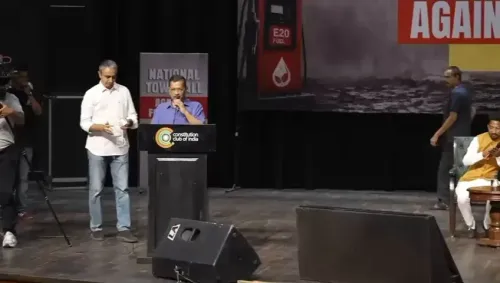
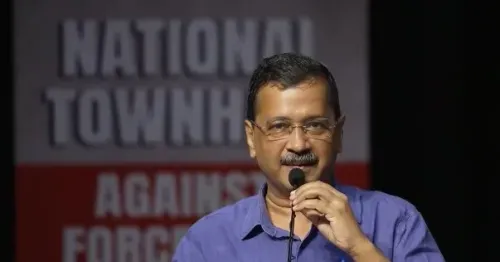
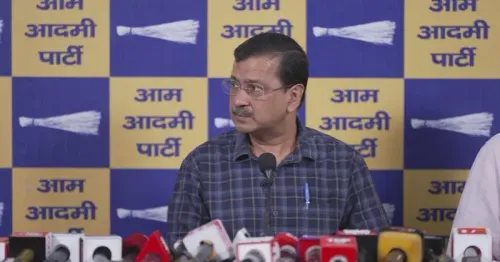
A live press conference was announced ahead of the march to lay out specific demands.
India's ethanol blending target of 20% by 2025 was set under the National Policy on Biofuels updated in 2018 .
Opposition concerns centre on reduced mileage and engine-compatibility issues for existing petrol vehicle owners.
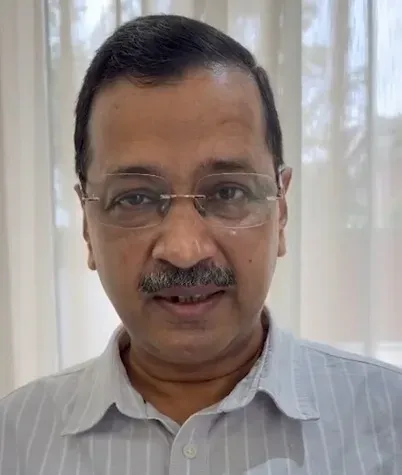
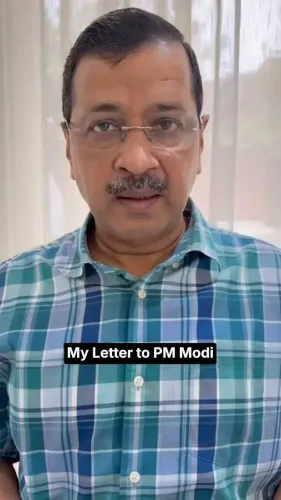
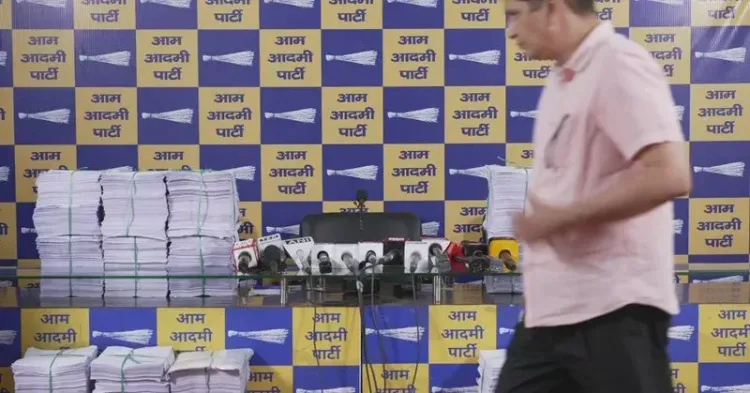
A march to the Prime Minister's residence is on the cards — and AAP convenor Arvind Kejriwal is putting public letters at the heart of it. On Monday, 3 August 2026, Kejriwal announced a protest march to PM Narendra Modi's official residence scheduled for the following day, opposing E20 — India's programme to blend 20% ethanol in petrol — and said citizens' letters would be carried to the PM's doorstep.
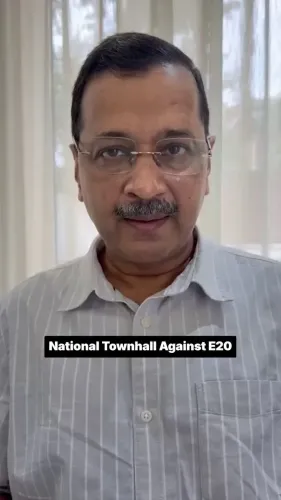
Posting in Hindi, Kejriwal wrote: 'कल E20 के विरोध में जनता के पत्रों के साथ PM आवास तक मार्च' — 'Tomorrow, a march to the PM's residence with public letters opposing E20.' He also announced a live press conference ahead of the march.
What E20 Is — and Why It Has Sparked Pushback
India's National Policy on Biofuels, updated in 2018, set the foundation for higher ethanol blending. By 2021, the central government had hardened that into a formal target: 20% ethanol blended into petrol by 2025. The rationale was straightforward — cut oil import bills, reduce emissions, and provide a price floor for sugarcane farmers.
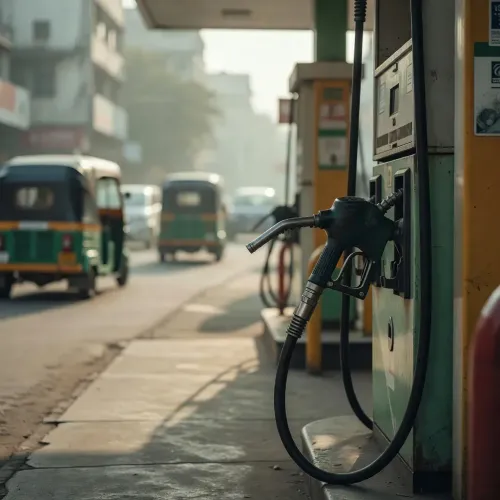
But opposition parties, including the Aam Aadmi Party, have raised persistent concerns. The core complaint: E20 fuel can reduce mileage in conventional petrol vehicles and may cause engine-compatibility issues in older models — a real worry for the millions of two-wheeler and car owners who bought their vehicles before flex-fuel standards became a consideration.
Letters from the Public — the Political Choreography
The decision to carry citizens' letters to 7 Lok Kalyan Marg is deliberate political theatre with a clear message: this is not just a party grievance, it is a public one. By framing the march around ordinary petrol vehicle owners — not just AAP's organisational base — Kejriwal is attempting to widen the protest's legitimacy beyond partisan lines.
The announced live press conference adds another layer: it signals that specific demands, data, or testimonials from affected citizens are likely to be laid out publicly before the march begins, giving the action a policy-critique edge rather than a purely symbolic one.
Whether the Petroleum Ministry responds — or whether the march surfaces new evidence about E20's on-ground impact on vehicle performance — will determine how much traction this moment gets beyond the news cycle. Kejriwal has thrown down a very specific gauntlet; now the question is whether the government picks it up.
Point of View
Positioning itself as the defender of ordinary vehicle owners against a central government fuel mandate is a reliable opposition playbook, especially as the party seeks relevance beyond Delhi. The 'public letters' device is designed to make the protest look bottom-up rather than party-driven. Whether the Petroleum Ministry engages or stonewalls will signal how confident the Centre is in E20's public acceptability ahead of any further blending rollout.
NationPress
3 Aug 2026
Frequently Asked Questions
What is E20 fuel and why is Kejriwal opposing it?
E20 is petrol blended with 20% ethanol under India's biofuel programme, targeted by 2025 . Kejriwal and the AAP oppose it citing concerns over lower fuel efficiency and potential engine damage in conventional petrol vehicles.
When and where is the Kejriwal E20 protest march?
The march is scheduled for 4 August 2026 and will proceed to PM Narendra Modi's official residence in New Delhi, with participants carrying public letters opposing the E20 policy.
What is India's ethanol blending policy?
India's National Policy on Biofuels , updated in 2018 , set a roadmap for higher ethanol blending. In 2021 , the government formalised a target of 20% ethanol in petrol by 2025 to cut oil imports and support sugarcane farmers.
Does E20 fuel reduce mileage in cars and bikes?
Critics, including opposition parties, argue that E20 can reduce mileage in conventional petrol vehicles and may cause compatibility issues in engines not designed for high-ethanol blends, though the government maintains the impact is marginal.
What are AAP's demands regarding the E20 programme?
Kejriwal has not yet detailed specific demands publicly; a live press conference announced for 4 August 2026 is expected to lay out the party's position and citizen testimonials before the march begins.