Kejriwal visits Goa temple, demands punishment over Ram Mandir donation row
Synopsis
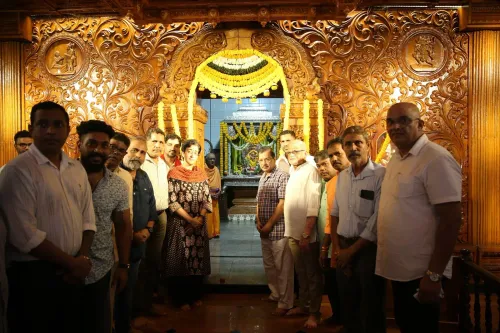
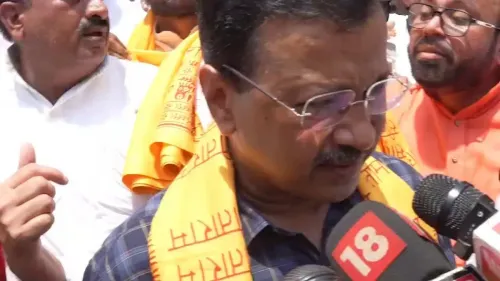
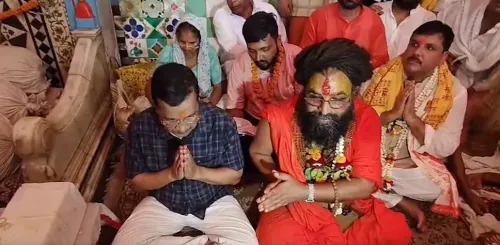
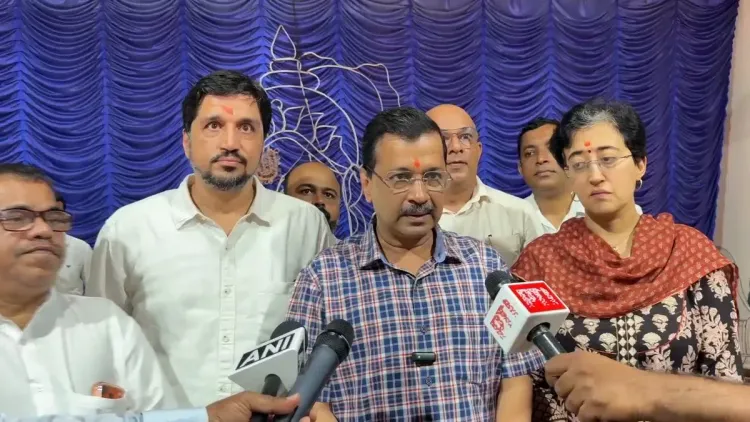
AAP convenor Arvind Kejriwal visited a Hanuman temple in Goa on 4 July 2026, praying for strict punishment for those allegedly involved in donation theft at the Shri Ram Mandir in Ayodhya, saying the country is deeply hurt by the alleged irregularities.
Key Takeaways
Arvind Kejriwal visited a Hanuman temple in Goa on 4 July 2026 and offered prayers alongside others.
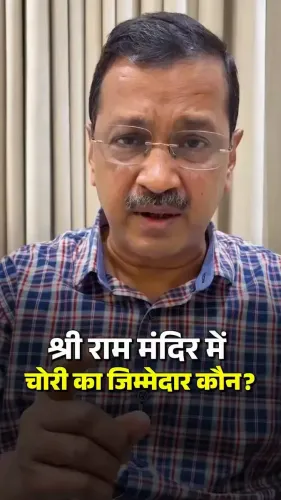
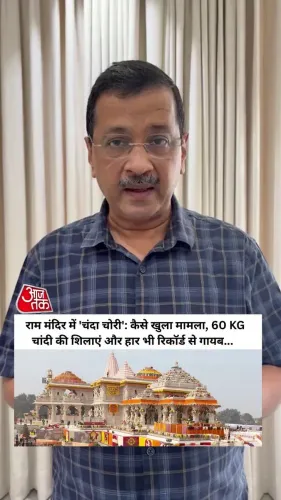
He alleged that donations and offerings at the Shri Ram Mandir in Ayodhya had been stolen or misappropriated.
Kejriwal called for the 'strictest possible punishment' for those responsible for the alleged irregularities and for those shielding them.
The Ram Mandir was inaugurated on 22 January 2024 following the Supreme Court's November 2019 Ayodhya verdict.
The statement continues a pattern of opposition leaders raising fund-transparency concerns at major religious institutions since the temple's inauguration.
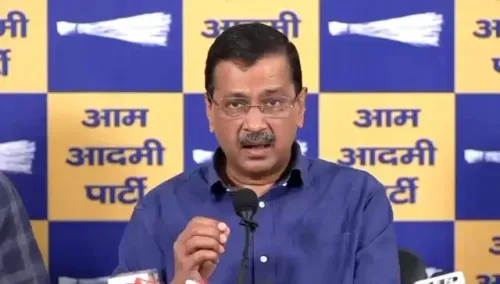
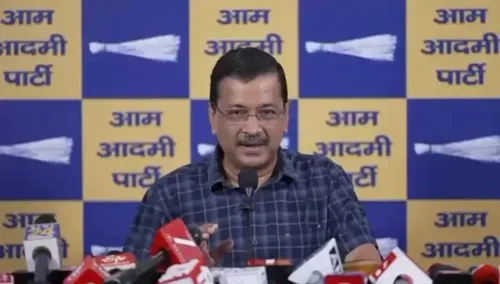
AAP convenor Arvind Kejriwal, on Saturday, 4 July 2026, visited a Hanuman temple in Goa and offered prayers, publicly calling for the strictest punishment for those he alleged had committed irregularities in donations at the Shri Ram Mandir in Ayodhya. Kejriwal said the country is deeply hurt by what he described as theft of offerings at the Ram Mandir, and prayed collectively with others that all those responsible — and those shielding them — face severe consequences.
Context
Posting in Hindi on 4 July 2026, Kejriwal wrote: 'श्री राम मंदिर में हुई चंदे की चोरी से देश बहुत आहत है' ('The country is deeply hurt by the theft of donations at Shri Ram Mandir'). He said that during his visit to the Hanuman temple in Goa, he and his companions prayed together that those who committed irregularities with offerings at the Ram Mandir, and those protecting them, receive the harshest possible punishment. The statement is notable for combining a religious visit with a pointed political demand for accountability at one of India's most prominent religious sites.
The Shri Ram Mandir in Ayodhya was inaugurated on 22 January 2024 following the Supreme Court of India's landmark title verdict of November 2019. The inauguration drew participation from senior national political figures and was accompanied by a large-scale public donation drive across the country, making questions about the management of those funds a matter of broad public interest.
Policy Backdrop
Since the temple's inauguration, opposition leaders have periodically raised concerns about the transparency of administration and fund management at the site. Public statements linking temple donations to governance accountability have become a recurring feature of political discourse around major religious institutions. Kejriwal's remarks fit within this broader pattern, where leaders use visits to religious sites to simultaneously demonstrate personal faith and press governance demands.
The Ram Janmabhoomi Teerth Kshetra Trust, the body overseeing the temple's construction and management, has been at the centre of scrutiny over financial administration. Questions about donation collection, its accounting, and oversight mechanisms have been raised in various forums since the temple opened its doors to the public following the consecration ceremony.
Stakeholders and Impact
The statement directly implicates temple trust authorities and, by extension, the political establishment seen as closely associated with the Ayodhya project. For millions of devotees across India who contributed to the temple's construction fund, allegations of misappropriation of offerings carry significant emotional and religious weight. Kejriwal's framing — praying for punishment of the 'sinners' — is calibrated to resonate with a devout electorate.
Goa, where Kejriwal made the statement, is a state where AAP has invested political capital in recent election cycles. The choice of a public religious visit to amplify a governance-accountability message reflects a strategic alignment of religious optics with political positioning ahead of future electoral contests.
What's Next
Attention will now turn to whether temple trust authorities or state agencies in Uttar Pradesh respond formally to the allegations, or whether the matter prompts demands for an independent audit of donation management at Ayodhya. Kejriwal's statement is likely to intensify calls from opposition quarters for a transparent inquiry, and could prompt a counter-response from the ruling establishment defending the temple trust's record.
As political contestation around the Ram Mandir's administration continues, the episode underscores how India's most prominent religious institutions have become arenas not only of faith but of governance accountability — a dynamic that is unlikely to ease as the next general election cycle approaches.
Point of View
Paired with a sharp call for punishment over alleged Ram Mandir donation theft, is a calculated move that blends religious optics with an anti-corruption narrative — the twin pillars of AAP's political identity. By framing the demand as a collective prayer rather than a press conference allegation, he sidesteps the adversarial register while landing a pointed political charge. The statement fits a broader opposition strategy of contesting the BJP's ownership of the Ayodhya project by questioning the governance of its most visible symbol. How the temple trust and the ruling establishment respond will determine whether this becomes a sustained accountability issue or dissipates as political noise.
NationPress
4 Jul 2026
Frequently Asked Questions
What did Kejriwal say about Ram Mandir donations?
Kejriwal said the country is deeply hurt by alleged theft of donations at the Shri Ram Mandir in Ayodhya, and prayed for the strictest punishment for those responsible and those protecting them.
Where was Kejriwal when he made this statement?
Kejriwal made the statement after visiting a Hanuman temple in Goa on 4 July 2026, where he offered prayers with others.
What is the Ram Mandir donation controversy?
Since the Ram Mandir in Ayodhya was inaugurated in January 2024, opposition leaders have raised concerns about the transparency of donation collection and fund management at the temple trust. The specific incident referenced by Kejriwal on 4 July 2026 relates to alleged theft of offerings at the temple.
Who manages the Ram Mandir in Ayodhya?
The Ram Janmabhoomi Teerth Kshetra Trust oversees the construction and management of the Shri Ram Mandir in Ayodhya, following the Supreme Court's November 2019 title verdict.
Why is Kejriwal raising Ram Mandir issues?
Kejriwal's remarks are consistent with a broader opposition pattern of questioning governance and financial transparency at major religious institutions, using accountability demands to contest the political narrative around the Ayodhya temple project.