Kejriwal visits RML Hospital to meet Parliament March injured
Synopsis
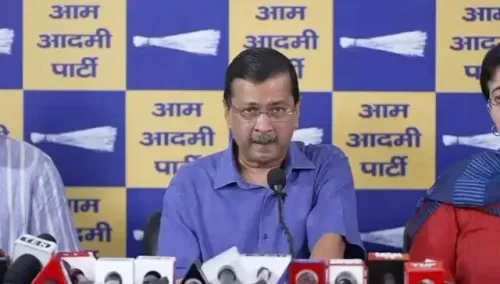
AAP convenor Arvind Kejriwal visited Ram Manohar Lohia Hospital on 21 July 2026 to meet protesters injured during the Parliament March, alleging Modi government brutality and assuring victims of full party support.
Key Takeaways
Arvind Kejriwal visited Ram Manohar Lohia Hospital, New Delhi on 21 July 2026 to meet Parliament March injured.
Kejriwal alleged that injuries were caused by the Modi government's brutality during the march.
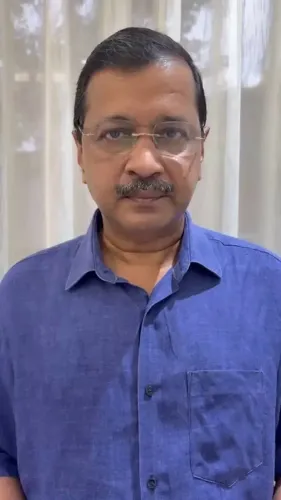
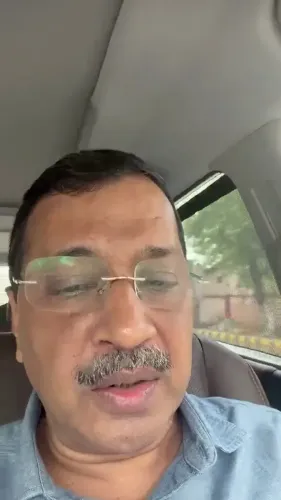
He personally consoled the injured and assured them the AAP team is mobilised for 'every kind of help.' The post included a video, suggesting on-ground documentation of the hospital visit.
The Delhi Police , under the Union Home Ministry , handles crowd control during marches near Parliament.
AAP may escalate with formal demands such as a probe or compensation for the injured.
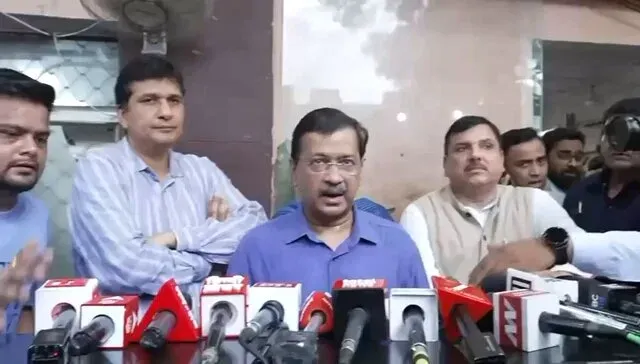
AAP convenor Arvind Kejriwal visited Ram Manohar Lohia Hospital in New Delhi on Tuesday, 21 July 2026 to meet protesters injured during the Parliament March, assuring them that his party's full team was mobilised to provide every possible assistance to the victims.
Context
Kejriwal posted on X that he had gone to RML Hospital to check on 'देश के बच्चों' ('the children of the nation') who were injured during the Parliament March. He alleged that the injuries were caused by the Modi government's brutality during the march, and said he personally met and consoled the injured, conveying that the AAP team stood ready to support them in every way.
The Parliament March — a demonstration aimed at marching towards the Indian Parliament — is a form of political protest that opposition parties and civil society groups have periodically organised in New Delhi. Such marches frequently result in confrontations with security forces when demonstrators attempt to breach barricades near the Parliament complex.
Policy Backdrop
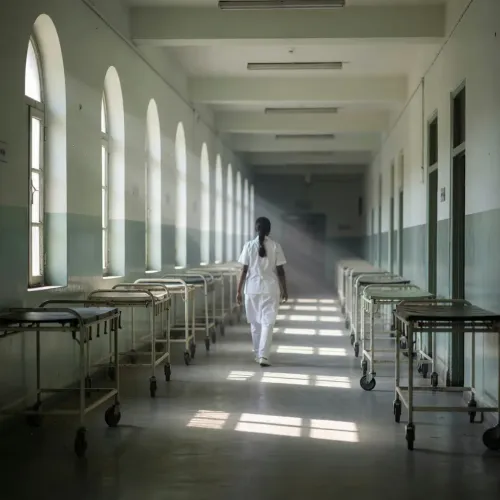
Ram Manohar Lohia Hospital, a major central government facility in New Delhi, is one of the primary hospitals where individuals injured in the capital's protest-related incidents are often taken for treatment. Its location near the political nerve centre of the city makes it a frequent site for such visits by political leaders.
The Aam Aadmi Party, founded in 2012 and led nationally by Kejriwal, has historically positioned itself as a movement rooted in street-level activism and public protest. Visiting injured protesters is consistent with the party's political identity of solidarity with ordinary citizens and demonstrators.
Stakeholders and Impact
The injured individuals — described by Kejriwal as 'देश के बच्चों' ('children of the nation') — are at the centre of this episode, with the AAP pledging direct support for their medical and other needs. Their condition and the number of those hospitalised have not been independently confirmed in the post.
The BJP-led central government is the implicit target of Kejriwal's allegation of 'barbarity' (बर्बरता). The charge escalates the political stakes of the Parliament March incident, framing it not merely as a law-and-order situation but as state overreach against peaceful protesters. The Delhi Police, which operates under the Union Home Ministry, typically manages crowd control during such marches in the capital.
What's Next
Kejriwal's hospital visit and public statement are likely to intensify political pressure on the central government to account for the use of force during the Parliament March. The AAP may follow up with formal demands — such as a judicial inquiry or compensation for the injured — as the party seeks to keep the incident in public focus.
With the party's stated commitment to providing 'every kind of help,' direct legal or financial assistance to the injured is also possible. How the ruling dispensation responds to these allegations will shape the next phase of this political confrontation in New Delhi.
Point of View
Designed to humanise the Parliament March incident and sustain pressure on the BJP-led central government at a moment when the opposition is seeking to widen its anti-incumbency narrative. By framing injured protesters as 'देश के बच्चों' — the nation's children — he taps into a long tradition of Indian political rhetoric that casts state action against demonstrators as an assault on citizens themselves. The move also reinforces AAP's street-level activist identity at a time when the party is navigating a complex political landscape after its setbacks in recent electoral cycles. Whether the allegation of 'brutality' gains traction will depend on corroborating evidence and the government's response in the coming days.
NationPress
21 Jul 2026
Frequently Asked Questions
Why did Arvind Kejriwal visit RML Hospital on 21 July 2026?
Kejriwal visited Ram Manohar Lohia Hospital to meet protesters who were injured during the Parliament March, offer them consolation, and assure them of AAP's full support.
What is the Parliament March and why did it lead to injuries?
The Parliament March is a form of political protest where demonstrators attempt to march to the Indian Parliament in New Delhi. Clashes with security forces at barricades near the Parliament complex can result in injuries to participants.
What did Kejriwal allege about the Modi government regarding the Parliament March?
Kejriwal alleged that the injuries to protesters were caused by the 'barbarity' of the Modi government, framing the security response as excessive and unjustified.
Which hospital did Kejriwal visit to meet the injured protesters?
Kejriwal visited Ram Manohar Lohia (RML) Hospital in New Delhi, a major central government hospital near the capital's political centre.
What support has AAP promised to the injured Parliament March protesters?
Kejriwal stated that the AAP's full team is ready to provide 'every kind of help' to those injured, though specific measures such as legal aid or financial assistance were not detailed in the post.