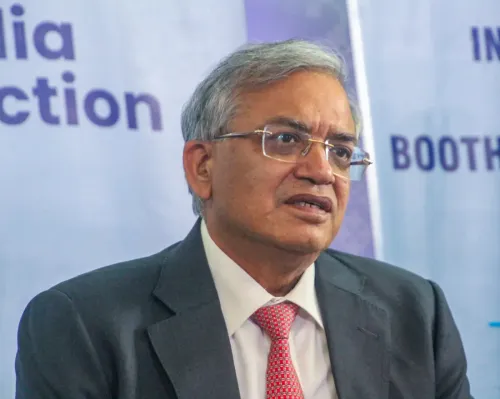
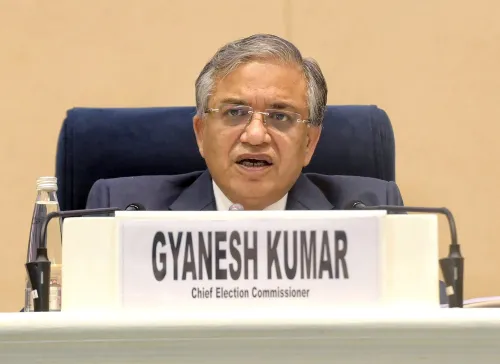
CEC Gyanesh Kumar resignation demand: Kerala CM Satheesan backs Jiji Thomson's BJP allegation
Synopsis
A private conversation allegedly from a 2016 flight has landed at the centre of a national political storm. Former Kerala Chief Secretary Jiji Thomson claims Chief Election Commissioner Gyanesh Kumar once urged him to contest on a BJP ticket — an allegation Kerala CM Satheesan is now using to demand Kumar's resignation and question the Election Commission's very independence.
Key Takeaways
Satheesan on 27 September 2026 demanded the resignation of CEC Gyanesh Kumar .
Former Kerala Chief Secretary Jiji Thomson alleged Kumar suggested he contest a 2019 Lok Sabha election on a BJP ticket during a 2016 flight to Delhi .
Thomson said he rejected the suggestion; the alleged conversation predates Kumar's appointment as CEC.
Satheesan called the allegation 'extremely serious' but did not cite specific ECI decisions to support broader charges.
Congress leader Rahul Gandhi had earlier raised concerns about Kumar; multiple opposition parties have now joined the resignation demand.
The Election Commission had not issued a formal response as of this report.
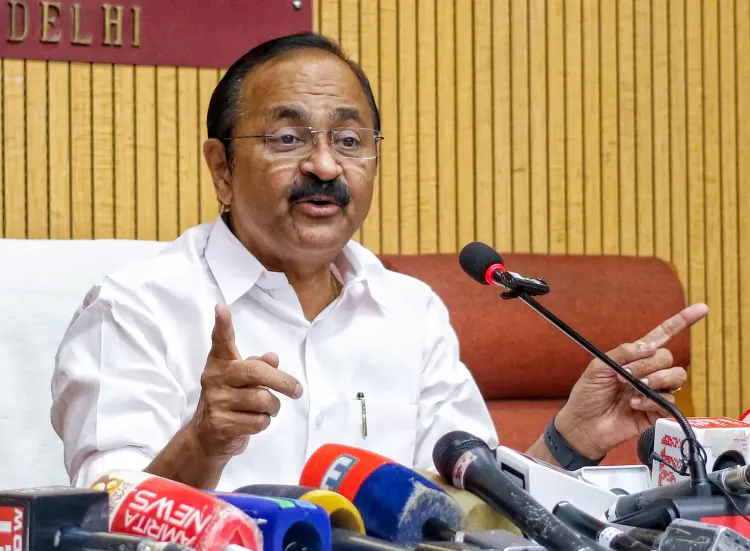
Kerala Chief Minister V.D. Satheesan on Sunday, 27 September 2026, demanded the resignation of Chief Election Commissioner (CEC) Gyanesh Kumar after former state Chief Secretary Jiji Thomson alleged that Kumar had privately suggested he contest a Lok Sabha election on a Bharatiya Janata Party (BJP) ticket. The demand, issued through an official Chief Minister's Office statement, has reignited a national debate over the independence of the Election Commission of India (ECI).
What Jiji Thomson Allegedly Said
According to Thomson, the conversation took place on a flight to Delhi in 2016, several years before Kumar assumed the country's top electoral post. Thomson alleged that Kumar suggested he could stand as a BJP candidate in the 2019 general election after retiring from government service. Thomson stated he rejected the suggestion outright. The account remains an allegation — no independent evidence establishing what was said on the flight has been produced alongside the chief minister's statement.
Kerala CM's Stand and Charges
Satheesan described Thomson's account as 'extremely serious', arguing that it raised fundamental questions about the impartiality of the country's top election official. The chief minister accused Kumar of acting in ways that benefited the BJP and alleged that Kumar had undermined the transparency expected of the poll body. Notably, Satheesan's statement did not identify specific Election Commission decisions to substantiate those accusations. He argued that Kumar's continuation in office would further erode public confidence in democratic institutions at a time when the poll panel was already facing broader criticism over its functioning.
Wider Opposition Pressure on the Election Commission
Satheesan also said Thomson's claim reinforced concerns previously raised by Congress leader Rahul Gandhi. Multiple opposition parties have demanded CEC Kumar's resignation, and reports of differences among members of the three-member Election Commission over how certain decisions were taken have added a further dimension to the political dispute. This comes amid a sustained campaign by opposition groups questioning the commission's neutrality — a debate that has intensified since Kumar's appointment as CEC.
Context and Caveats
The alleged exchange, if it occurred as described, predates Kumar's tenure as CEC by several years. Critics argue that a private conversation from 2016 — made before Kumar held his current constitutional post — is being used to relitigate broader grievances against the commission. Supporters of the demand counter that the nature of the alleged suggestion, regardless of timing, speaks to a fundamental question of institutional character. The Election Commission has not issued a formal response to Thomson's allegation as of this report.
What Happens Next
The controversy is unlikely to subside without either an official rebuttal from Kumar or a formal institutional inquiry. Opposition parties are expected to escalate their demands, potentially raising the matter in Parliament. All eyes are now on whether other former or serving officials corroborate or contradict Thomson's account, and on how the Election Commission chooses to respond publicly.
Point of View
It is damning regardless of timing; if it is not independently corroborated, using it as the centrepiece of a resignation demand risks looking opportunistic. What is clear is that the Election Commission has been bleeding credibility with the opposition for months, and Satheesan is inserting Kerala into a national-level confrontation that extends well beyond state politics. The more significant test is institutional: does the ECI respond publicly and transparently, or does its silence allow the narrative of partisanship to harden? India's electoral democracy has survived far rougher political moments, but institutional trust, once eroded, rarely recovers on its own.
NationPress
27 Sept 2026
Frequently Asked Questions
Why is Kerala CM V.D. Satheesan demanding CEC Gyanesh Kumar's resignation?
Satheesan is demanding Kumar's resignation after former Kerala Chief Secretary Jiji Thomson alleged that Kumar, during a 2016 flight, suggested Thomson contest the 2019 Lok Sabha election on a BJP ticket. Satheesan described this as 'extremely serious' and said it raises questions about the impartiality of the country's top election official.
Who is Jiji Thomson and what did he allege?
Jiji Thomson is a former Chief Secretary of Kerala. He alleged that Gyanesh Kumar — who was not yet CEC at the time — privately suggested on a flight to Delhi in 2016 that Thomson could stand as a BJP candidate in the 2019 general election after retirement. Thomson said he turned down the suggestion.
Did this conversation happen when Gyanesh Kumar was CEC?
No. The alleged conversation reportedly took place in 2016, several years before Kumar was appointed as Chief Election Commissioner. Critics note this distinction; opposition parties argue the nature of the alleged suggestion still raises questions about institutional character.
What has the Election Commission said in response?
As of this report, the Election Commission had not issued a formal public response to Jiji Thomson's allegation or to Kerala CM Satheesan's resignation demand.
Is this part of a broader opposition campaign against the Election Commission?
Yes. Multiple opposition parties, including the Congress led by Rahul Gandhi, had already raised concerns about the Election Commission's functioning and Kumar's conduct before this latest allegation. Reports of internal differences within the three-member commission have further fuelled the political dispute.