Kerala floods 2025: CM Satheesan holds emergency meet as rains kill 11
Synopsis
With 11 dead, 7,674 displaced and the Moozhiyar Dam at Red Alert, Kerala is in the grip of its most anxious monsoon moment since 2018. CM Satheesan's emergency meeting signals that the state is treating the next 48-72 hours as potentially decisive — and the IMD's warning of another heavy spell from 5 August means the crisis is far from over.
Key Takeaways
Satheesan convened an emergency meeting with District Collectors and senior officials on 3 August to review Kerala's flood crisis.
The official death toll stands at 11 ; 7,674 people have been evacuated to 273 relief camps statewide.
The Moozhiyar Dam has reached the Red Alert level of 190 metres ; if water hits 192.63 metres , shutters will be opened.
The IMD has issued a yellow alert for all 14 districts , with another heavy rain spell forecast from 5 August .
30 houses completely destroyed, 293 partially damaged; fishing and water-based tourism suspended along the Kerala coast.
The next 48 to 72 hours are considered critical in determining whether a larger flood crisis can be averted.
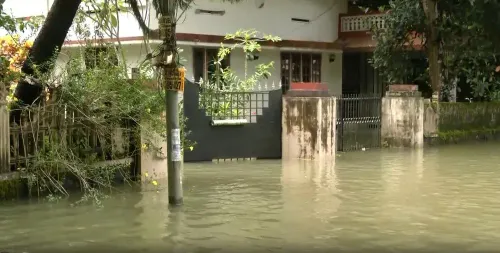
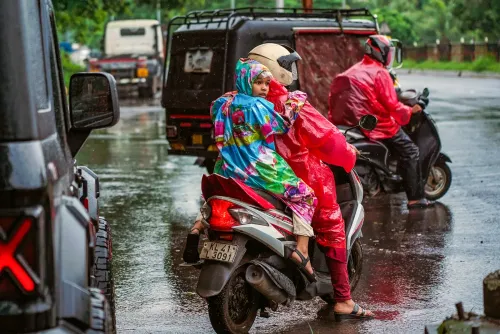
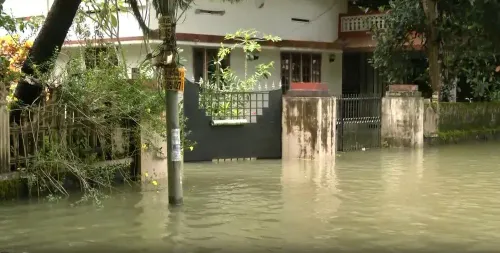
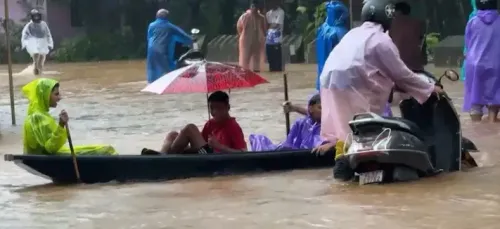
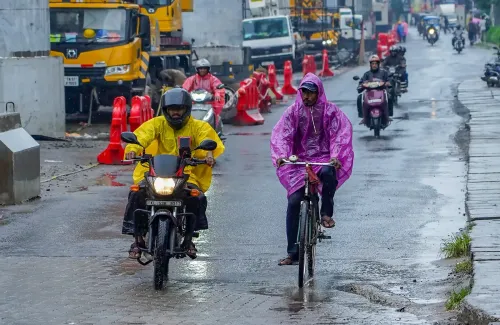
Chief Minister V.D. Satheesan on Monday, 3 August convened an emergency high-level meeting with District Collectors and senior state officials as relentless monsoon rains continued to batter Kerala, triggering floods, landslides, mass evacuations and deepening fears of a repeat of the catastrophic 2018 flood disaster. The official death toll has climbed to 11, with rescue operations still ongoing across multiple vulnerable districts.
Emergency Meeting and State Response
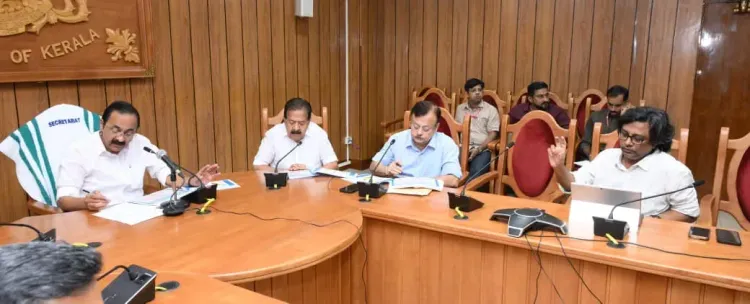
The online meeting, convened by Chief Minister Satheesan, brought together District Collectors, the Ministers for Home and Revenue, district in-charge ministers, and the Chief Secretary. Officials reviewed the evolving rain situation, the status of relief camps, ongoing rescue operations, and precautionary measures across the state.
The Chief Minister is expected to issue further directives to bolster the state's disaster response machinery as weather conditions remain highly unpredictable. This is among the most significant emergency mobilisations by the state government this monsoon season.
IMD Alerts and Weather Outlook
The India Meteorological Department (IMD) has issued a yellow alert for all 14 districts of Kerala on Monday, warning of heavy rainfall accompanied by strong winds and thunderstorms. According to the IMD, the current spell has been triggered by a coastal trough extending from the South Gujarat coast to the North Kerala coast.
While rainfall has eased marginally in parts of North Kerala, forecasters have cautioned that another intense spell of heavy rain is likely from 5 August. The next 48 to 72 hours are considered critical in determining whether the state can avert a larger crisis.
Dam Danger and River Alerts
A major concern is the Moozhiyar Dam, where heavy rain in the catchment area has pushed the reservoir to the Red Alert level of 190 metres. Officials have warned that if the water level reaches the full reservoir capacity of 192.63 metres, the shutters will be opened, releasing water into the Kakkattar River and potentially raising downstream levels further.
The Pamba River continues to rise, prompting authorities to issue a high alert in the Ranni and Kozhencherry taluks of Pathanamthitta district. Residents along the banks of both the Kakkattar and Pamba Rivers have been strictly advised to avoid entering the rivers and to remain on high alert.
Evacuations, Relief Camps and Damage
According to official figures, 7,674 people have been shifted to 273 relief camps across the state. Pathanamthitta accounts for the highest number of camps at 75, followed by Kottayam with 64 and Kozhikode with 36. However, complaints have emerged from some camps regarding inadequate basic amenities and sanitation facilities.
The rains have left a trail of destruction: 30 houses have been completely destroyed and 293 have suffered partial damage. Fishing has been prohibited along the Kerala coast due to rough sea conditions, and all water-based tourism and recreational activities have been suspended. Restrictions remain in force at the Thamarassery Ghat Pass and major tourist destinations.
2018 Flood Fears and What Comes Next
The worsening situation has revived painful memories of the August 2018 floods — the worst Kerala witnessed in nearly a century — particularly among residents of flood-prone districts in Central Kerala. With rivers swelling and dams nearing danger levels, public anxiety is running high.
Meteorologists have noted that a direct repeat of the unprecedented 2018 event is not foreseen at this stage. Nevertheless, disaster management authorities stress that saturated catchments and rising river levels warrant the highest level of caution. Authorities have urged residents in coastal and hilly regions to remain vigilant as more rain is forecast in the coming days.
Point of View
And the early convening of an emergency meeting by CM Satheesan suggests the state has learned at least the optics of rapid mobilisation from 2018. But the complaints about inadequate sanitation in relief camps point to a structural gap that recurs every flood season: the state is better at evacuating people than at sheltering them with dignity. The Moozhiyar Dam situation also underscores a wider concern about ageing water infrastructure and real-time catchment monitoring. If the next 72 hours turn critical, the question will not just be whether Kerala survived — but whether it used the intervening seven years to build genuine resilience, or merely better crisis communication.
NationPress
17 Sept 2026
Frequently Asked Questions
Why did CM Satheesan call an emergency meeting over Kerala rains?
Chief Minister V.D. Satheesan called the emergency meeting on 3 August to coordinate the state's disaster response as relentless rains triggered flooding, landslides and evacuations across Kerala. The meeting reviewed relief camp conditions, rescue operations and precautionary measures with District Collectors and senior officials.
How many people have died and been displaced in the Kerala floods?
As of Sunday evening, the official death toll stood at 11, with rescue operations still continuing in several vulnerable areas. A total of 7,674 people have been evacuated to 273 relief camps across the state.
What is the situation at Moozhiyar Dam?
The Moozhiyar Dam has reached the Red Alert level of 190 metres due to heavy rain in its catchment area. If the water level rises to the full reservoir capacity of 192.63 metres, authorities will open the shutters and release water into the Kakkattar River, raising the risk of downstream flooding.
Which districts in Kerala are most affected by the floods?
Pathanamthitta is among the worst-hit districts, with 75 relief camps and a high alert issued for the Ranni and Kozhencherry taluks due to rising Pamba River levels. Kottayam (64 camps) and Kozhikode (36 camps) are also significantly affected, while Wayanad and Malappuram continue to receive intermittent showers.
Is Kerala headed for a repeat of the 2018 floods?
Meteorologists have said a direct repeat of the unprecedented 2018 flood event is not foreseen at this stage. However, disaster management authorities caution that saturated catchments, rising river levels and the IMD's forecast of another heavy spell from 5 August make the next 48 to 72 hours critical.