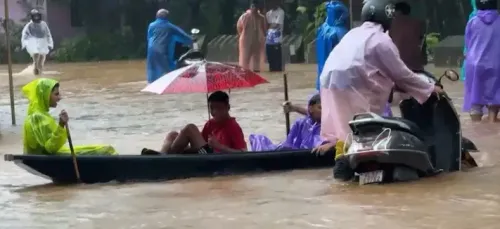
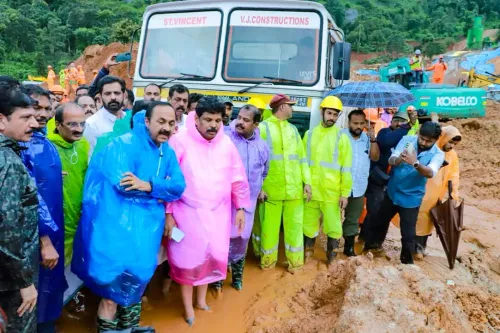
Kerala CM Satheesan vows district-level disaster system in 3 months after 10 deaths
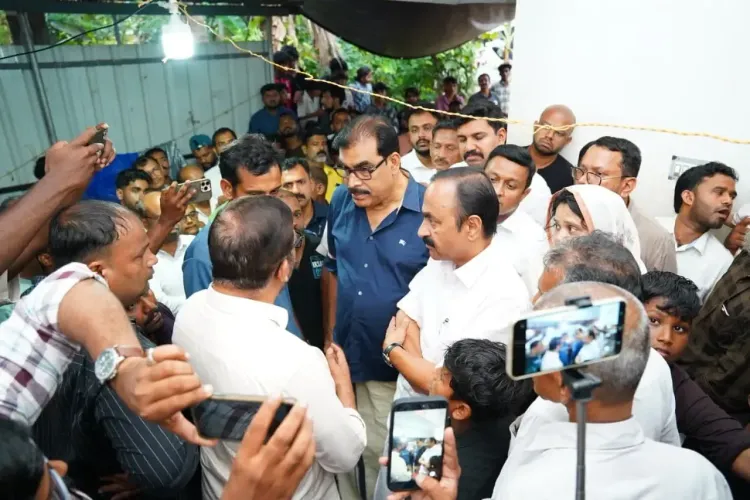
Synopsis
Ten people died in rain-related incidents across Kerala on Sunday — with no visible landslide or heavy rain at the site, exposing a dangerous blind spot in the state's early-warning system. CM Satheesan's three-month deadline for a district-level disaster model is the most concrete reform commitment Kerala has made yet, and it comes under the worst possible circumstances.
Key Takeaways
10 people died in rain-related incidents across Malappuram , Idukki , and Kottayam on Sunday, 21 September 2026 .
Five people died and one person went missing in Malappuram; the site showed no visible landslide or heavy rainfall at the time.
Satheesan committed to launching the first stage of a district-level disaster management system within three months .
Rain events are now occurring over areas as small as 25 sq km , rendering broad-area forecasts insufficient for timely evacuation.
Financial assistance for victims' families will be finalised at a Cabinet meeting on Wednesday .
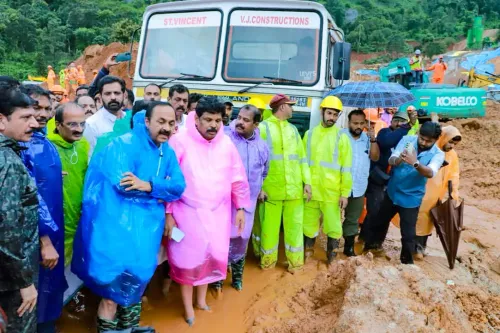
Kerala Chief Minister V.D. Satheesan on Monday, 21 September 2026, pledged to overhaul the state's disaster warning and evacuation infrastructure after 10 people died in rain-related incidents across Malappuram, Idukki, and Kottayam — tragedies made more alarming by the absence of any visible landslide or heavy rainfall at the time they occurred. Speaking to reporters after personally visiting the affected areas in Malappuram, Satheesan said the government expects to roll out the first stage of a new district-level disaster management system within three months.
What Happened on Sunday
The deaths occurred on Sunday across three Kerala districts, with five fatalities and one person reported missing in Malappuram alone. Comparable incidents in Idukki and Kottayam pushed the cumulative toll to 10. Satheesan noted that roughly 50 people were present in the Malappuram locality when the incident unfolded.
Critically, officials found no immediate evidence of a major landslip, landslide, or visible downpour at the site — a detail the Chief Minister called deeply concerning. He also clarified that the location was not a recognised tourist destination, though social media had incorrectly framed it as one, drawing wider public attention to the area.
The Core Challenge: Hyper-Localised Rainfall
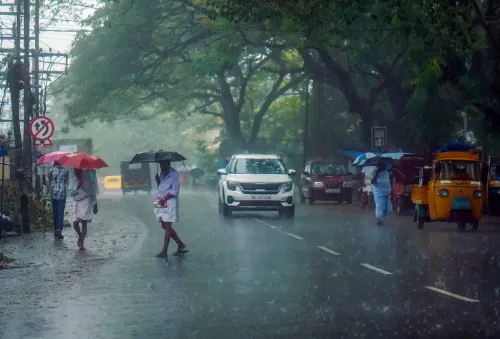
Satheesan identified the changing character of Kerala's rainfall as the central obstacle to timely disaster response. Rain events, he said, are now occurring over very small geographical pockets — sometimes covering only around 25 sq km — making conventional broad-area weather forecasts unreliable as the sole warning mechanism.
'More precision has to come into weather reports,' he said. The state, he added, is actively working to improve its ability to predict cloudbursts and other extreme rainfall events, which must then be backed by faster, more granular alert systems. 'The warning system has to be strengthened. So does the evacuation system,' Satheesan said.
The Government's Three-Month Roadmap
'We are working towards a strong disaster management model in Kerala, which will function at the district level,' the Chief Minister said, adding that the first stage is expected to be operational within three months. The model places greater emphasis on district-level preparedness rather than centralised response — a structural shift aimed at cutting the lag between a localised weather event and an evacuation order on the ground.
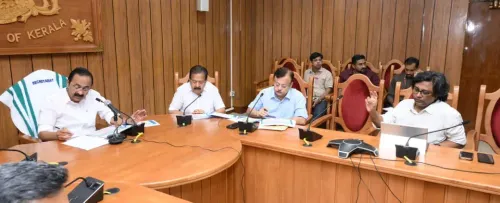
Details of financial assistance for the families of the deceased will be finalised at a Cabinet meeting scheduled for Wednesday.
Broader Context: A Pattern of Unwarned Disasters
This is not the first time Kerala has confronted the limits of its early-warning architecture. The state has suffered a series of high-casualty weather events in recent years — most prominently the Wayanad landslides — each followed by renewed calls for better prediction and faster evacuation. The recurring gap between meteorological forecasts and hyperlocal weather reality has consistently emerged as a systemic vulnerability. Satheesan's three-month commitment, if delivered, would represent the most specific governmental timeline yet attached to that reform agenda.
With the monsoon season still active and the Cabinet meeting on Wednesday set to define relief measures, the state's response in the coming days will be closely watched.
Point of View
After Idukki, after each monsoon catastrophe — and the gap between commitment and delivery has been the state's chronic failure. The hyper-localisation of rainfall, shrinking to 25 sq km patches, is not a new phenomenon; what is new is an explicit, time-bound governmental acknowledgement that existing systems cannot cope. The real accountability question is whether the district-level model will be backed by real-time Doppler and IoT sensor networks or remain a bureaucratic restructuring exercise. Without technology investment at the micro-watershed level, a faster chain of command will still lack the data to act on.
NationPress
21 Sept 2026
Frequently Asked Questions
What prompted Kerala CM Satheesan to announce a new disaster management system?
Ten people died in rain-related incidents across Malappuram, Idukki, and Kottayam on Sunday, 21 September 2026, with no visible landslide or heavy rainfall at the affected site in Malappuram, exposing critical gaps in the state's early-warning capability. Satheesan visited the Malappuram site and announced the reform in response to these deaths.
What is the new district-level disaster management model Kerala is planning?
The model will shift disaster preparedness from centralised response to district-level action, with improved prediction of cloudbursts and hyperlocal weather events, stronger warning mechanisms, and faster evacuation systems. The first stage is expected to be operational within three months, according to CM Satheesan.
Why is hyperlocal rainfall such a problem for Kerala's warning systems?
Rain events in Kerala are now occurring over very small areas — sometimes covering only around 25 sq km — making broader regional weather forecasts unreliable for triggering timely evacuations. CM Satheesan said more precision must come into weather reporting to address this challenge.
What assistance will be given to families of the rain victims?
CM Satheesan confirmed that the government will provide assistance to the families of those who lost their lives, with the specific details to be decided at a Cabinet meeting scheduled for Wednesday.
Was the Malappuram site a tourist destination?
No. CM Satheesan clarified that the location in Malappuram was not a recognised tourist destination, though social media had incorrectly portrayed it as one, drawing significant public attention to the area after the incident.