Kerala rains kill 7; warning failures, preparedness gaps under scanner

Synopsis
Seven people are dead and two missing as Kerala's central high ranges were battered by cloudburst-intensity rain — yet Pathanamthitta and Idukki sat under only an Orange Alert while recording Red Alert rainfall. The IMD's formal warning came at 7 am Saturday, hours after disaster had already struck. With El Nino in play and Mundakkai 2024 still fresh, the question of why lessons remain unlearned is back at the centre of Kerala's disaster debate.
Key Takeaways
Seven people have died in Kerala's rain-related disasters as of Saturday, 1 August ; two persons remain missing in Thiruvananthapuram's Muthalapozhi .
Pathanamthitta and Idukki were under only an Orange Alert until Friday morning despite recording Red Alert-intensity rainfall — 25 cm in Laha and 21 cm each in Peermade and Thodupuzha within 24 hours.
A formal Red Alert for the worst-hit districts was issued only at 7 am Saturday , after the disaster had already unfolded.
Satheesan has directed four ministers to camp in the worst-affected districts and ordered collectors of Idukki , Pathanamthitta , and Kottayam to remain on full emergency footing.
The NDRF failed to reach three landslide-hit locations in Kottayam in time; response in Pathanamthitta was also delayed.
The current season is influenced by El Nino — the same climatic pattern that preceded the Mundakkai landslide of 2024 — raising questions about whether the KSDMA acted on available threat signals.
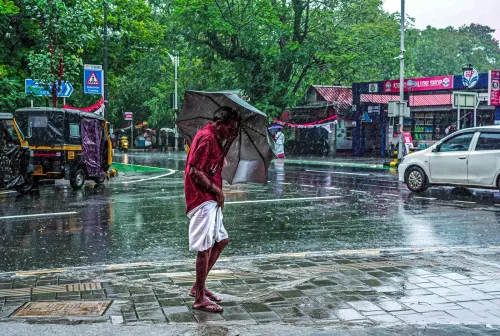
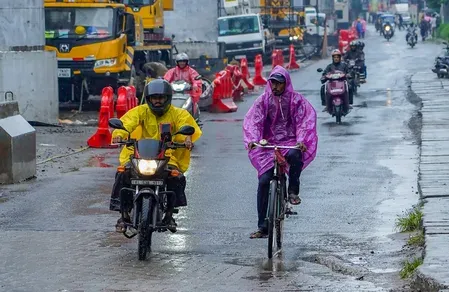
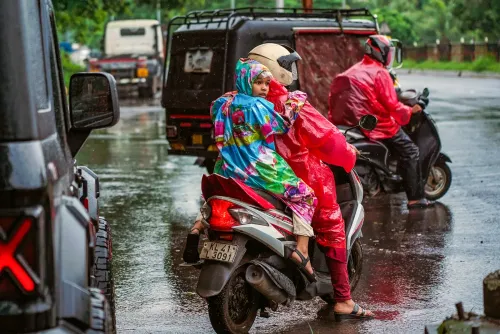
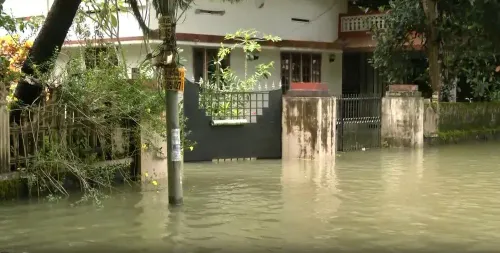
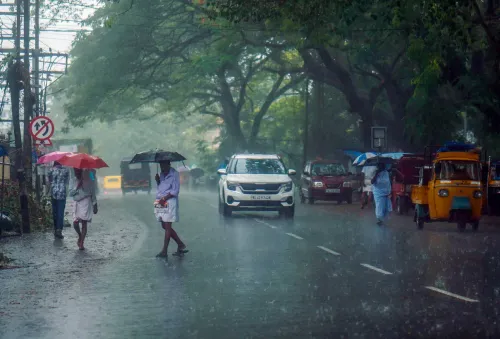
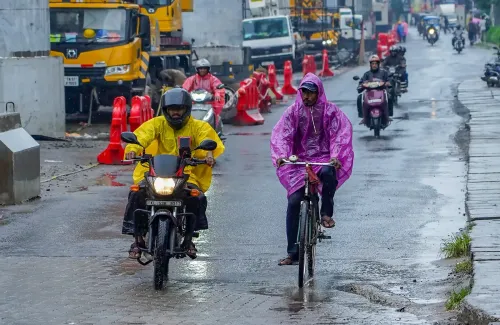
The death toll from rain-related disasters in Kerala climbed to seven on Saturday, 1 August, as cloudburst-intensity downpours unleashed landslides, flash floods, and widespread devastation across the central high ranges, exposing critical lapses in weather warnings and disaster preparedness — even as forecasts of extremely heavy rainfall had been in circulation for days.
Government Response
With another 24 hours of intense rainfall forecast, Chief Minister V.D. Satheesan convened an emergency review with ministers and district collectors, directing ministers in-charge of the worst-hit districts to deploy to the ground and personally coordinate relief operations. Revenue Minister A.P. Anil Kumar is overseeing state-level coordination of rescue and relief efforts.
Specifically, the Chief Minister directed Transport Minister C.P. John to camp in Thiruvananthapuram, Tourism Minister P.C. Vishnunadh in Pathanamthitta, Water Resources and Housing Minister Mons Joseph in Kottayam, and Food and Supplies Minister Anoop Jacob in Idukki. District collectors of Idukki, Pathanamthitta, and Kottayam have been placed on full emergency footing.
In Thiruvananthapuram's Muthalapozhi, a Coast Guard vessel is continuing search operations at sea for two persons still reported missing, assisted by the Marine Enforcement wing.
Warning System Failures
Pathanamthitta and Idukki — the two districts that received the heaviest rainfall — remained under only an Orange Alert until Friday morning, despite recording rainfall of Red Alert intensity. Laha in Pathanamthitta recorded 25 cm of rainfall, while Peermade and Thodupuzha in Idukki each received 21 cm within 24 hours — well within the threshold that mandates a Red Alert.
The India Meteorological Department (IMD) acknowledged the likelihood of Red Alert-intensity rainfall only at 11:15 pm, and a formal Red Alert for Pathanamthitta, Idukki, and other districts was issued only at 7 am on Saturday. By that time, the downpours had already battered the region and disaster had unfolded, rendering the upgraded warning largely ineffective.
Protocol Gaps on the Ground
Under the Kerala State Disaster Management Authority (KSDMA) protocol, an Orange Alert signifies 'Action' — requiring authorities to initiate preventive measures immediately. Yet, evacuation and precautionary steps were reportedly not carried out in vulnerable locations such as Kootickal, which has witnessed landslides in the past, and Ranni, which was submerged during the catastrophic 2018 floods.
The National Disaster Response Force (NDRF) managed to reach Kudayathoor in Thodupuzha quickly, but could not reach the three landslide-hit locations in Kottayam in time. Response in Pathanamthitta was also delayed, according to reports. Authorities also failed to anticipate that sustained rainfall in the Pathanamthitta high ranges would swell the Pamba river, leading to downstream flooding.
Notably, several independent weather monitoring agencies had, by Friday night, warned of the possibility of extremely heavy, localised rainfall over the eastern high ranges of central Kerala. Despite having access to weather inputs beyond the IMD, the KSDMA reportedly did not initiate precautionary action commensurate with the emerging threat.
El Nino Warning Ignored
The current monsoon season is influenced by El Nino, a climatic pattern associated with sudden episodes of exceptionally intense rainfall. The devastating Mundakkai landslide of 2024 also occurred during an El Nino year. Disaster management experts have repeatedly stressed that El Nino years demand a level of vigilance that goes well beyond routine weather alerts.
The KSDMA, mandated to collate weather intelligence from multiple agencies, will now face scrutiny over what preparatory measures were undertaken despite the emerging threat signal. As Kerala mourns seven lives and rescue teams race against time, the recurring question is whether lessons from past disasters have been genuinely absorbed — or whether critical warnings continue to arrive only after tragedy has already struck.
Point of View
Delayed alerts, and a post-mortem that identifies the same institutional gaps. The fact that Pathanamthitta and Idukki were under Orange Alert while recording Red Alert rainfall is not a meteorological anomaly; it is a coordination failure with a paper trail. The KSDMA is mandated to aggregate weather intelligence from multiple agencies, yet independent monitoring bodies had flagged extreme localised rainfall risk by Friday night. That warning did not translate into evacuation orders in Kootickal or Ranni — both of which have documented histories of catastrophic flooding. With El Nino now a known variable and Mundakkai 2024 a recent precedent, the absence of heightened precautionary protocols is harder to explain away as an act of nature.
NationPress
16 Sept 2026
Frequently Asked Questions
How many people have died in the Kerala rain disasters on 1 August?
Seven people have died in Kerala's rain-related disasters as of Saturday, 1 August, according to reports. Two persons remain missing in Thiruvananthapuram's Muthalapozhi, where Coast Guard search operations are ongoing.
Which districts in Kerala were worst affected by the rains?
Pathanamthitta, Idukki, and Kottayam were the worst-hit districts, bearing the brunt of landslides and flash floods across the central high ranges. Laha in Pathanamthitta recorded 25 cm of rainfall, while Peermade and Thodupuzha in Idukki each received 21 cm within 24 hours.
Why did the Red Alert come so late for the affected Kerala districts?
The IMD acknowledged the likelihood of Red Alert-intensity rainfall only at 11:15 pm on Friday, and a formal Red Alert for Pathanamthitta, Idukki, and other districts was issued only at 7 am on Saturday. By that time, the rainfall had already triggered landslides and floods, making the upgraded warning largely ineffective.
What is the Kerala government doing in response to the rain crisis?
Chief Minister V.D. Satheesan has directed four ministers to camp in the worst-affected districts and instructed collectors of Idukki, Pathanamthitta, and Kottayam to remain on full emergency alert. Revenue Minister A.P. Anil Kumar is coordinating state-level rescue and relief operations.
How does El Nino factor into Kerala's current rain crisis?
The current monsoon season is influenced by El Nino, a climatic pattern linked to sudden episodes of exceptionally intense rainfall. The Mundakkai landslide of 2024 also occurred during an El Nino year, and disaster management experts have warned that such years require heightened vigilance beyond routine weather alerts.