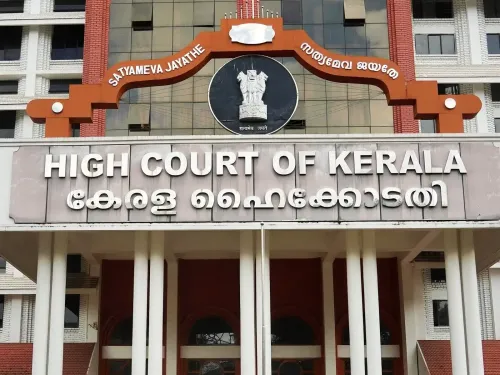
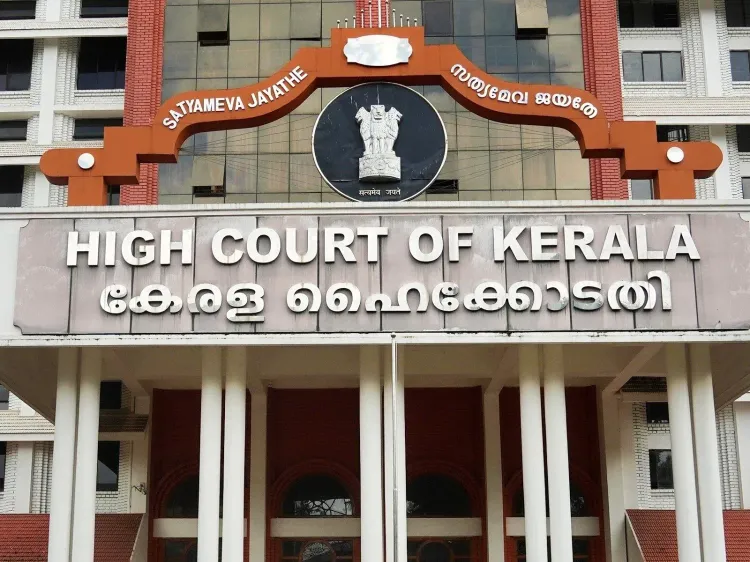
Kerala HC upgrades 12 to life term in 2018 Attappadi Madhu lynching case
Synopsis
Seven years after a mob lynched tribal youth Madhu in Attappady for allegedly stealing food, the Kerala High Court has upgraded 12 convicts' sentences from seven years to life imprisonment — and awarded ₹30 lakh to his mother. The accused's own videos sealed the case even as 24 witnesses turned hostile.
Key Takeaways
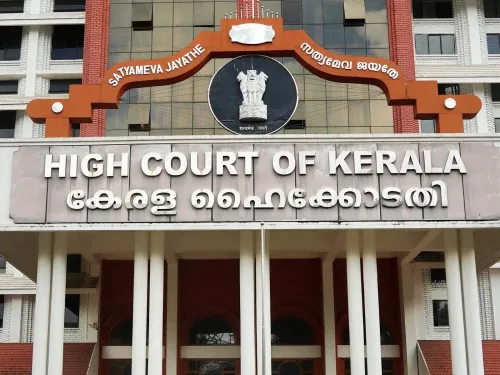
The Kerala High Court on 25 May enhanced sentences of 12 men to life imprisonment in the Attappadi Madhu lynching case .
Madhu , a 27-year-old tribal youth from Attappady, Palakkad , was lynched on 22 February 2018 after being accused of stealing food.
The court awarded ₹30 lakh compensation to Madhu's mother Malli ; each convict also fined ₹2 lakh .
24 of 103 prosecution witnesses turned hostile, but digital evidence shot by the accused themselves secured convictions.
First accused Hussain was acquitted for lack of evidence; Madhu's family plans to appeal that acquittal.
The verdict is seen as a significant precedent under the SC/ST (Prevention of Atrocities) Act for mob-lynching cases involving tribal victims.
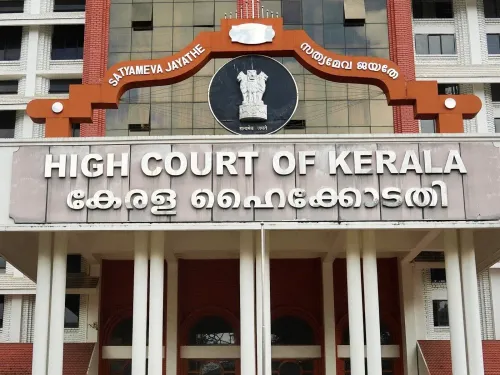
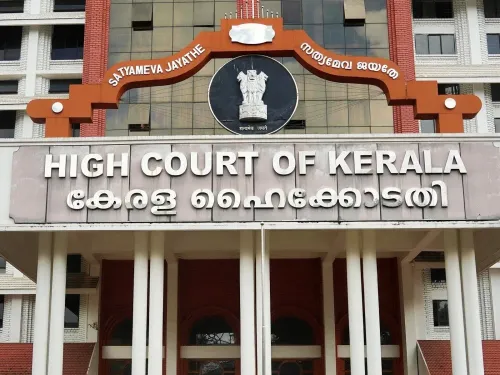
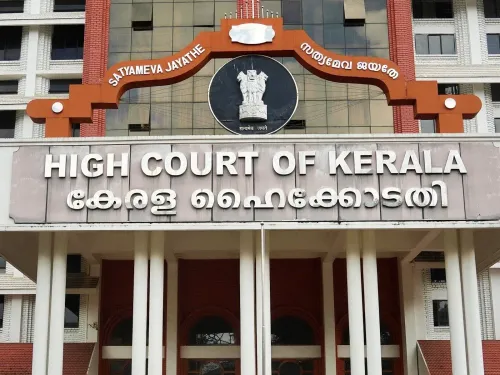
The Kerala High Court on Monday, 25 May enhanced the sentences of 12 convicted men to life imprisonment in the Attappadi Madhu lynching case, one of the most disturbing mob-violence incidents in the state's recent history. The court also directed payment of ₹30 lakh as compensation to Madhu's mother, Malli, in a verdict widely seen as a landmark in SC/ST atrocity jurisprudence.
What the Court Decided
A Division Bench comprising Justice V. Raja Vijayaraghavan and Justice K.V. Jayakumar upgraded the earlier seven-year jail term handed down by the Mannarkkad Special SC/ST Court to life imprisonment for all 12 accused. Each convict was also directed to pay a fine of ₹2 lakh.
The court upheld convictions under multiple provisions of the Indian Penal Code (IPC) — including Sections 304 and 326 — and the Scheduled Castes and Scheduled Tribes (Prevention of Atrocities) Act. Compensation awarded earlier by the sessions court was ordered to be disbursed within three months if not already paid.
The 12 Sentenced to Life
Those now serving life terms are Marakkar (A2), Shamsudheen (A3), Radhakrishnan (A5), Aboobacker (A6), Sidhique (A7), Ubaid (A8), Najeeb (A9), Jaijumon (A10), Sajeev (A12), Satheesh (A13), Hareesh (A14), and Biju (A15). The sentence of Muneer (A16), previously jailed for three months, was enhanced to one year after the bench found offences under Sections 3(2)(v) and 3(2)(va) of the SC/ST Act applicable.
The bench acquitted first accused Hussain citing insufficient evidence, and upheld the earlier acquittals of Anish (A4) and Abdul Karim (A11).
Who Was Madhu and What Happened
Madhu, a 27-year-old tribal youth from the Chindakki tribal settlement in Attappady, Palakkad, was lynched on 22 February 2018 after being accused of stealing rice and grocery items from a nearby shop. He was known to suffer from mental health issues and had been living in a cave inside the forest.
A mob dragged him out, tied him up, stripped him nearly naked, and publicly assaulted him before handing him over to the Agali police. He died while being taken to the police station. The incident triggered national outrage and renewed debate on caste-based violence against tribal communities in India.
How Digital Evidence Proved Decisive
The trial was severely tested — 24 of the 103 prosecution witnesses turned hostile, reflecting the sustained pressure on the case. However, photographs and videos shot and circulated by the accused themselves became the cornerstone of the prosecution's case, ultimately securing convictions despite witness attrition.
This is a recurring pattern in mob-lynching cases across India: the perpetrators' own documentation of the act, intended for social media circulation, ends up as the most damning evidence against them.
Family's Response and Next Steps
Madhu's family, which endured years of pressure and threats during the prolonged legal battle, welcomed the High Court's ruling, saying justice had finally been delivered. They have, however, indicated plans to appeal against the acquittal of the first accused, Hussain, signalling that the legal fight is not entirely over.
With the High Court's enhanced sentencing now on record, the case sets a significant precedent for how mob-lynching incidents involving tribal victims are prosecuted and sentenced under the SC/ST Act.
Point of View
But the acquittal of the first accused will rightly be contested — and the family's intention to appeal underscores how incomplete verdicts erode trust in the justice system. More broadly, this case illustrates a troubling dynamic in mob-violence trials: witness hostility is near-universal, and convictions increasingly depend on the perpetrators' own social-media documentation. That is a fragile evidentiary foundation. The seven-year gap between the lynching and a final High Court ruling also raises questions about whether delayed justice is sufficient deterrence in a country where mob violence against marginalised communities has not abated.
NationPress
26 Sept 2026
Frequently Asked Questions
What is the Attappadi Madhu lynching case?
The Attappadi Madhu lynching case involves the mob killing of Madhu , a 27-year-old tribal youth from the Chindakki settlement in Attappady, Palakkad, on 22 February 2018. He was accused of stealing food, publicly beaten by a mob, and died while being taken to the police station.
What did the Kerala High Court rule on 25 May?
The Kerala High Court enhanced the sentences of 12 convicted men from seven years to life imprisonment and directed payment of ₹30 lakh compensation to Madhu's mother Malli. Each convict was also fined ₹2 lakh.
Why were some accused acquitted?
First accused Hussain was acquitted by the High Court due to insufficient evidence. The acquittals of Anish (A4) and Abdul Karim (A11) by the lower court were also upheld. Madhu's family has indicated it will appeal against Hussain's acquittal.
How did digital evidence affect the case?
Despite 24 of the 103 prosecution witnesses turning hostile, photographs and videos recorded and shared by the accused themselves became crucial evidence that secured the convictions. This self-documentation by perpetrators proved decisive in the face of widespread witness attrition.
What law was used to convict the accused?
The convictions were upheld under multiple provisions of the Indian Penal Code, including Sections 304 and 326, as well as the Scheduled Castes and Scheduled Tribes (Prevention of Atrocities) Act, including Sections 3(2)(v) and 3(2)(va).