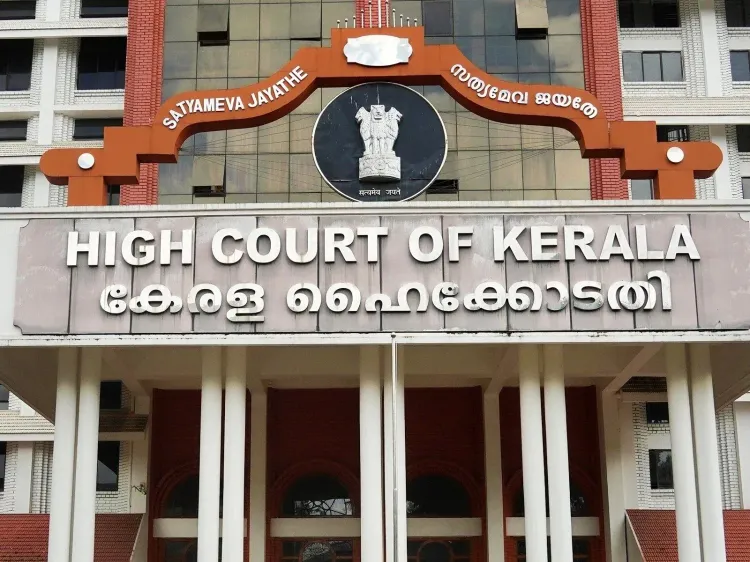
Kerala HC suspends sentences in 2003 Muthanga land struggle case, cites trial court errors
Synopsis
More than two decades after the bloodshed at Muthanga Wildlife Sanctuary, the Kerala High Court has flagged apparent errors in the trial court's verdict that convicted four people — including activist M. Geethanandan — on charges as grave as attempt to murder. The suspension of their sentences reopens one of Kerala's most contested Adivasi land rights episodes for fresh judicial examination.
Key Takeaways
The Kerala High Court on 21 August suspended sentences of four convicts in the 2003 Muthanga land struggle case .
Badharudeen noted apparent errors in the Wayanad Sessions Court's 31 July 2026 judgment and called for thorough scrutiny.
The four appellants — Geethanandan , Binu , Ramesan , and Anilkumar — were among 57 persons prosecuted for the violence.
Each appellant must deposit ₹36,000 ; they had been sentenced to rigorous imprisonment of up to five years .
The 19 February 2003 confrontation left five Adivasi protesters and one police constable dead, with police reportedly firing 18 rounds .
Detailed hearing of the criminal appeals is yet to be scheduled.
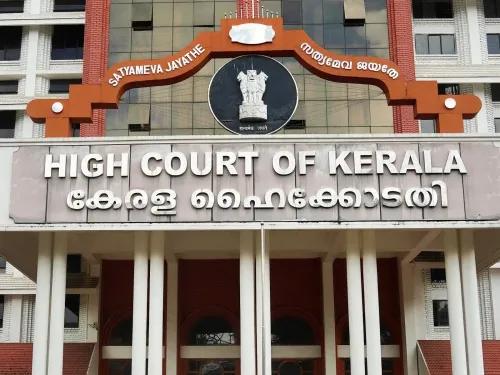
The Kerala High Court on Friday, 21 August suspended the sentences of four convicts — including social activist M. Geethanandan — in the 2003 Muthanga land struggle case, while directing each appellant to deposit ₹36,000. Justice A. Badharudeen passed the order on criminal appeals filed by the convicts challenging their conviction and sentence handed down by the Wayanad District Principal Sessions Court.
What the High Court Observed
The court's decision to suspend the sentences came after it orally expressed concern over the manner in which the Wayanad Sessions Court had recorded its findings. The High Court indicated that the 31 July 2026 judgment required thorough scrutiny and that there were apparent errors in the trial court's conclusions. The stay is temporary, with the criminal appeals to be heard in detail at a later date.
Who Was Convicted and on What Charges
The four appellants — Geethanandan, Binu, Ramesan, and Anilkumar — were among 57 persons prosecuted in connection with the violence that erupted during the Muthanga land agitation. The sessions court had convicted them on several counts, including unlawful assembly, rioting, wrongful restraint and confinement, voluntarily causing hurt and grievous hurt to public servants, criminal intimidation, kidnapping, causing hurt with dangerous weapons, and attempt to murder.
They were sentenced to rigorous imprisonment for up to five years and fines totalling ₹36,000 each. The prosecution's case included allegations that the accused attempted to murder Senior Civil Police Officer Abdul Salam and abducted Forest Range Officer P.K. Sasidharan during the confrontation.
Background: The 2003 Muthanga Violence
The Muthanga violence occurred on 19 February 2003, when police launched an eviction operation against Adivasi protesters who had occupied forest land inside the Muthanga Wildlife Sanctuary in Wayanad, under the banner of the Adivasi Gothra Maha Sabha (AGMS). The operation turned violent, and police reportedly fired 18 rounds.
Two protesters died immediately in the firing, with the overall death toll among protesters later rising to five. Police constable K.V. Vinod was also killed during the clashes. The agitation, led by tribal activist C.K. Janu, had sought land rights for Adivasi communities and is widely regarded as one of the most violent tribal struggles in Kerala's recent history.
What Happens Next
With the High Court suspending the sentences, the four appellants will not serve imprisonment while their appeals are pending. The court's detailed hearing of the appeals will determine whether the convictions stand, are modified, or are set aside. The case puts renewed judicial spotlight on a two-decade-old chapter of Adivasi land rights struggle in Kerala.
Point of View
And now faces appellate scrutiny so swiftly after the July 2026 judgment, reflects the enduring legal complexity around the Muthanga episode. The case sits at the intersection of Adivasi land rights, state use of force, and criminal accountability — and the High Court's detailed hearing will test whether a conviction built on charges as serious as attempt to murder can withstand the scrutiny the bench has already flagged publicly.
NationPress
5 Oct 2026
Frequently Asked Questions
What is the Muthanga land struggle case?
The Muthanga land struggle refers to a 2003 agitation in which Adivasi protesters, led by tribal activist C.K. Janu under the banner of the Adivasi Gothra Maha Sabha, occupied forest land inside the Muthanga Wildlife Sanctuary in Wayanad, Kerala, to press for land rights. A police eviction operation on 19 February 2003 turned violent, resulting in the deaths of five protesters and one police constable, with police reportedly firing 18 rounds.
Why did the Kerala High Court suspend the sentences?
The Kerala High Court suspended the sentences after observing that the Wayanad Sessions Court's 31 July 2026 judgment appeared to contain errors and required thorough scrutiny. Justice A. Badharudeen passed the suspension order on criminal appeals filed by the four convicts, with a detailed hearing to follow.
Who are the four convicts whose sentences have been suspended?
The four appellants are social activist M. Geethanandan, Binu, Ramesan, and Anilkumar. They were among 57 persons prosecuted in connection with the Muthanga violence and were convicted on charges including rioting, attempt to murder, kidnapping, and causing hurt with dangerous weapons.
What conditions did the High Court impose while suspending the sentences?
The High Court directed each of the four appellants to deposit ₹36,000 as a condition for the suspension of their sentences. The stay is temporary and will remain in effect until the criminal appeals are heard in detail.
What happens next in the Muthanga case?
The Kerala High Court will schedule a detailed hearing of the criminal appeals filed by the four convicts. Until that hearing concludes, the sentence suspension means the appellants will not serve imprisonment. The court's final ruling will determine whether the convictions are upheld, modified, or overturned.