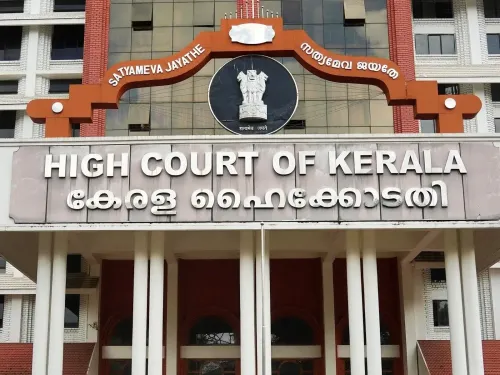
Kerala HC bans photography, live streaming without prior permission
Synopsis
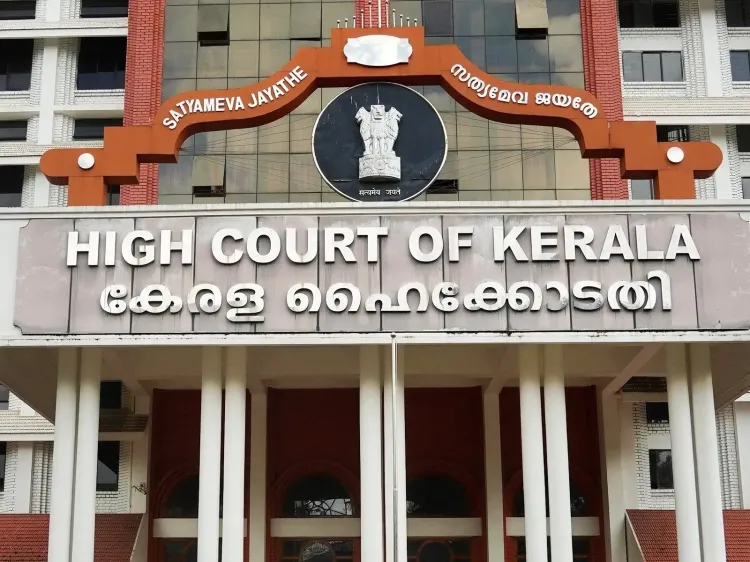
The Kerala High Court has banned photography, videography, and live streaming on its premises without prior authorisation, with penalties ranging from referral to bar councils to withdrawal of entry permission. The move puts Kerala in step with a growing national trend of courts formalising recording rules — and signals tighter control over how judicial spaces are represented in the media.
Key Takeaways
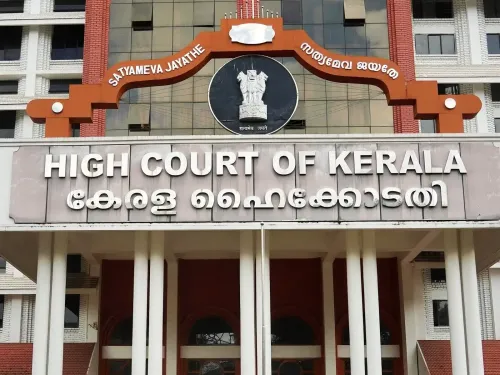
The Kerala High Court has issued comprehensive guidelines banning photography, videography, and live streaming without prior permission.
A complete ban applies inside court halls, judges' chambers, record rooms, security control rooms, and server rooms.
The Registrar General or an officer authorised by the Chief Justice can grant permission in appropriate cases.
Media organisations must obtain prior permission to cover official events and must stay within approved venue, date, and time.
Violations by advocates or law interns may be referred to the Kerala High Court Advocates' Association or Bar Council of Kerala.
The move aligns with similar rules at the Delhi High Court , reflecting a national trend of courts regulating recordings.
The Kerala High Court has issued comprehensive guidelines regulating photography, videography, and live streaming within its premises, prohibiting such activities without explicit prior permission and laying out specific consequences for advocates, court staff, media personnel, and visitors who breach the rules. The guidelines, titled General Guidelines for the Regulation of Photography, Videography and Live Streaming in the High Court Premises, were issued from Thiruvananthapuram and are aimed at safeguarding security, privacy, decorum, and the smooth functioning of judicial proceedings.
What the Guidelines Prohibit
Under the new framework, photography, videography, and live streaming are banned across Kerala High Court premises unless specifically authorised under provisions governing designated facilities such as the auditorium and banquet hall during special events. A complete ban has been imposed inside court halls, judges' chambers, Registry offices and sections, record rooms, security control rooms, server rooms, and all other restricted or secured areas.
The guidelines further prohibit the uploading, publishing, circulation, or dissemination of any photographs, videos, or live streams recorded on the premises through social media or other electronic platforms without prior approval.
Who Can Grant Permission
The Registrar General, or an officer authorised by the Chief Justice, holds the authority to grant permission in appropriate cases. Any photography or videography undertaken for official purposes may only be carried out by personnel or agencies authorised by the Registry, and such material is restricted to official use and cannot be disseminated without approval.
Media organisations — print, electronic, and digital — seeking to cover official functions or events will be required to obtain prior permission from the Registrar General or an officer authorised by the Chief Justice. Permitted media personnel must confine their activities to the approved venue, date, and time, and must comply with directions issued by the Registry and Security Wing.
Penalties and Enforcement
The guidelines prescribe differentiated courses of action depending on the category of the violator. In cases involving an advocate, law intern, or law clerk, the matter may be referred to the Kerala High Court Advocates' Association, the Bar Council of Kerala, or another competent authority. Violations by a Registry officer or employee of any office functioning within the High Court premises may be referred to the controlling officer or competent authority. Media personnel and other visitors risk having their permission for future entry or coverage withdrawn or restricted, in addition to any other action that may be taken.
Broader National Trend
The Kerala High Court's move is consistent with a wider pattern of courts across India formalising rules around recording and live streaming. Notably, the Delhi High Court has its own separate Live Streaming and Recording of Court Proceedings Rules and expressly prohibits cameras and video recorders inside its premises without permission. The trend reflects an ongoing institutional effort to balance transparency in judicial proceedings with the need to protect the privacy and dignity of courts.
As courts continue to define the boundaries of permissible coverage, the Kerala guidelines are likely to serve as a reference point for other High Courts formulating similar frameworks in the months ahead.
Point of View
But the breadth of the ban — extending to social media dissemination — raises legitimate questions about press access to one of the state's most consequential public institutions. Courts occupy a unique space: they are public bodies delivering justice in the public interest, yet they are also entitled to control their operational environment. The real test will be how the Registrar General exercises discretionary permission — consistently and transparently, or selectively. The differentiated penalty framework is practical, but its credibility depends on even-handed enforcement across advocates, staff, and media alike.
NationPress
25 Sept 2026
Frequently Asked Questions
What do Kerala High Court's new photography and live streaming guidelines say?
The Kerala High Court has banned photography, videography, and live streaming within its premises without prior permission, and has also prohibited sharing such content on social media or electronic platforms without approval. The guidelines cover court halls, judges' chambers, offices, record rooms, and all other restricted areas.
Who can grant permission for photography or media coverage at Kerala High Court?
The Registrar General, or an officer authorised by the Chief Justice, can grant permission in appropriate cases. Media organisations covering official events must obtain this permission before entering and must comply with directions from the Registry and Security Wing.
What action can be taken against those who violate the Kerala HC guidelines?
Advocates, law interns, or law clerks who violate the rules may be referred to the Kerala High Court Advocates' Association or the Bar Council of Kerala. Registry officers and staff face referral to their controlling authority, while media personnel and visitors risk having future entry or coverage permission withdrawn.
Are other Indian courts also restricting photography and live streaming?
Yes. The Delhi High Court, for instance, has its own Live Streaming and Recording of Court Proceedings Rules and expressly prohibits cameras and video recorders inside its building without permission. Courts across India have increasingly been framing separate rules governing recording and live streaming.
Is there any exception to the photography ban at Kerala High Court?
Exceptions exist for officially authorised purposes — such as events at the auditorium or banquet hall — and for personnel or agencies authorised by the Registry. Even in permitted cases, the material can only be used for official purposes and cannot be disseminated without further approval.