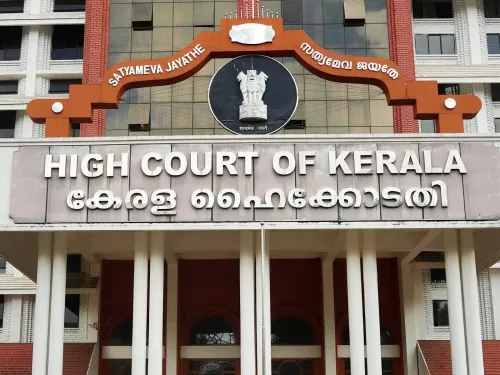
Kerala HC restrains Waqf Board from major decisions over illegal constitution
Synopsis
The Kerala High Court has effectively frozen the state Waqf Board's decision-making powers after finding it was constituted in violation of the amended UMEED Act — missing two mandatory non-Muslim members and a Shia representative. With the state government itself admitting the lapses, the Board now operates under government supervision pending reconstitution.
Key Takeaways
The Kerala High Court on 15 July restrained the Kerala State Waqf Board from taking major policy, financial, or administrative decisions without court approval.
The bench found the Board prima facie violated Section 14 of the UMEED Act by excluding two mandatory non-Muslim members and a Shia representative .
The Board has been placed under the supervision of the Joint Secretary of the relevant state department pending reconstitution.
The state government admitted the composition infirmities and expressed willingness to reconstitute the Board.
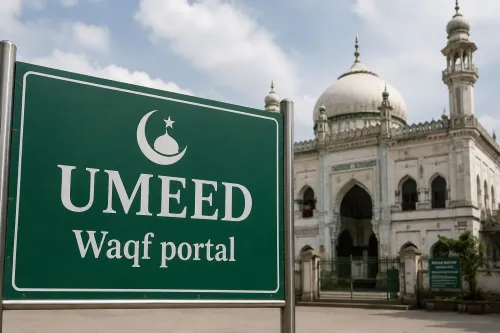
The ACTS petition also challenges the listing of the disputed Munambam land on the Centre's UMEED portal.
The case is posted for further hearing next week .
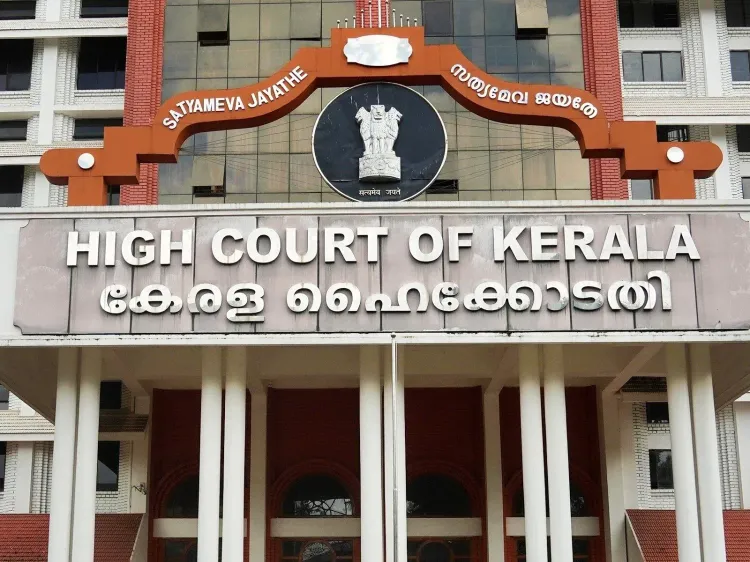
The Kerala High Court on Wednesday, 15 July issued an interim order restraining the Kerala State Waqf Board from taking major decisions, after finding that its current constitution prima facie violates Section 14 of the Unified Waqf Management, Empowerment, Efficiency, and Development (UMEED) Act, 1995, as amended. The order came while hearing four public interest litigations challenging the legality of the Board's composition.
What the Court Found
A division bench comprising Chief Justice Soumen Sen and Justice V.M. Syam Kumar observed that the Board lacks two mandatory non-Muslim members and a Shia representative — inclusions explicitly required under the amended law. The court noted that the omission renders the Board's present constitution contrary to the statute on a prima facie basis.
Pending a final ruling, the bench directed that the Waqf Board shall not take any major policy decisions, incur capital expenditure, or make significant administrative decisions without prior court permission. It further ordered the Board to function under the supervision of the Joint Secretary of the state government department handling Waqf matters.
What the Government and Board Admitted
The state government acknowledged the lapses during the hearing. Advocate General Jaju Babu informed the court that the government had filed an affidavit recognising the infirmities in the Board's composition and indicated the state's willingness to reconstitute it in accordance with the law.
Senior Advocate T. Krishnanunni, appearing for the Waqf Board, also admitted that the two non-Muslim members had not been nominated. He attributed the delay to related matters reportedly pending before the Supreme Court — a claim the Additional Solicitor General and the petitioners contested, stating no such cases were pending.
What the Petitions Allege
The four PILs before the court each challenge the Board's constitution on different grounds. One petition, filed by the Assembly of Christian Trust Services (ACTS), also contests the inclusion of the disputed Munambam land in the Centre's UMEED portal. The petitioners argue that the listing affects Hindu and Christian residents of the area and that only the muttawali — the designated trustee — is legally empowered to upload Waqf property details.
A separate petition by Bharatiya Janata Party (BJP) leader Shone George demands the immediate appointment of the two non-Muslim members and a formal declaration that the current Board is functioning in violation of the amended Waqf Act.
Background and What Comes Next
The controversy over the Kerala Waqf Board's composition comes amid a broader national debate over the amended UMEED Act, which introduced non-Muslim membership and structural reforms to Waqf governance across states. The Munambam land dispute — where residents allege their properties were unilaterally classified as Waqf land — has been a flashpoint in Kerala for months, drawing political and legal attention from multiple quarters.
The Kerala High Court has posted the matter for further hearing next week, when it is expected to examine the government's reconstitution proposal in detail.
Point of View
Not just an administrative one. The BJP's petition seeking a formal declaration of illegality, combined with the ACTS challenge on behalf of Hindu and Christian residents, reflects a broader pattern of non-Muslim communities seeking legal redress against Waqf Board actions. The Centre's UMEED portal — intended as a transparency tool — is now itself under judicial scrutiny. How the Kerala government reconstitutes the Board, and how quickly, will be watched closely by states still grappling with their own UMEED Act compliance.
NationPress
14 Oct 2026
Frequently Asked Questions
Why did the Kerala High Court restrain the Waqf Board?
The Kerala High Court found that the state Waqf Board's current composition prima facie violates Section 14 of the amended UMEED Act, as it lacks two mandatory non-Muslim members and a Shia representative. The court issued the interim order while hearing four public interest litigations on 15 July.
What restrictions has the court placed on the Kerala Waqf Board?
The Board cannot take any major policy decisions, incur capital expenditure, or make significant administrative decisions without the court's prior permission. It must also function under the supervision of the Joint Secretary of the state department handling Waqf matters until further orders.
What is the Munambam land dispute mentioned in the case?
The Munambam land dispute involves residents — both Hindu and Christian — who allege their properties were unilaterally classified as Waqf land and listed on the Centre's UMEED portal. The ACTS petition argues that only the designated muttawali (trustee) is legally empowered to upload such property details.
Has the Kerala government responded to the court's findings?
Yes. Advocate General Jaju Babu told the court that the state had filed an affidavit acknowledging the infirmities in the Board's composition and indicated the government's willingness to reconstitute it in accordance with the law.
What happens next in the case?
The Kerala High Court has posted the matter for further hearing next week. The court is expected to examine the government's reconstitution proposal and consider whether the Board's past decisions taken during the period of non-compliance require review.