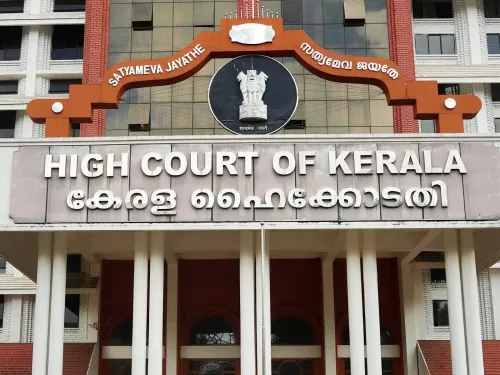
Kerala Waqf Board faces HC scrutiny over missing non-Muslim members
Synopsis
A BJP leader's PIL in the Kerala High Court has put the state's Waqf Board on the defensive — arguing that all its decisions since February 2026 could be legally void because the government never appointed the two non-Muslim members mandated by the 2025 Waqf Amendment Act. With the Munambam land dispute involving 600 families in the backdrop, the case could reshape Waqf administration statewide.
Key Takeaways
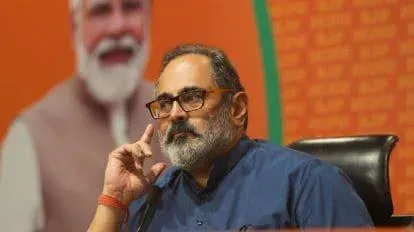
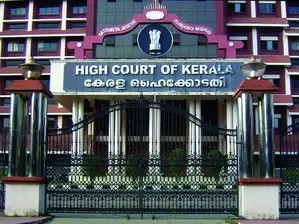
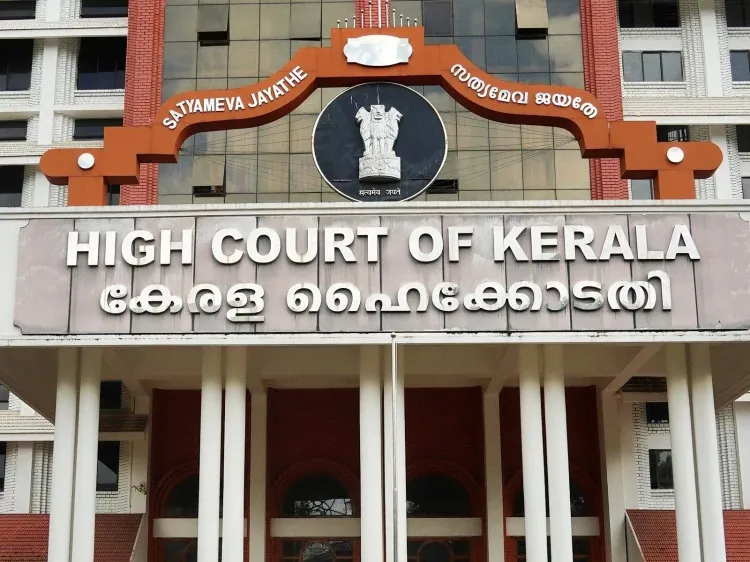
BJP state vice-president Shone George filed a PIL before the Kerala High Court on 11 June , challenging the constitution of the Kerala State Waqf Board .
The petition alleges the Board's 4 February 2026 Government Order appointed nine Muslim members without including the mandatory two non-Muslim members under the 2025 Waqf Amendment Act.
A Division Bench of Chief Justice Soumen Sen and Justice V.M.
Syam Kumar sought the state government's reply; next hearing in two weeks .
The petition argues all administrative and quasi-judicial decisions by the Board in its current form are null and void .
The case has implications for the ongoing Munambam Waqf land dispute involving more than 600 families .
The Supreme Court had not stayed the non-Muslim member requirement while hearing broader challenges to the 2025 Waqf Amendment Act.
BJP state vice-president Shone George has moved the Kerala High Court through a Public Interest Litigation (PIL), alleging that the Kerala State Waqf Board is operating in violation of the amended Waqf law by failing to include mandatory non-Muslim members — a lapse that, he argues, renders all decisions taken by the Board legally void.
What the Petition Argues
George's PIL, filed before a Division Bench comprising Chief Justice Soumen Sen and Justice V.M. Syam Kumar, contends that the Kerala government's Government Order dated 4 February 2026 appointed nine members to the Board — all Muslim — while deferring the appointment of the remaining two members to a later date. The petitioner argues that a promise of future compliance cannot legitimise the Board's present functioning.
The petition is grounded in Section 14(1) of the United Waqf Management, Empowerment, Efficiency and Development Act, 1995, as amended with effect from 8 April 2025. The amended provision mandates the inclusion of at least two non-Muslim members in every State Waqf Board, excluding ex-officio members.
'The Board has been constituted contrary to the provisions of the statute and therefore lacks jurisdiction,' the plea states, arguing that all administrative, supervisory, and quasi-judicial decisions taken by the Board in its current form could be treated as null and void.
Scope of the Waqf Board's Powers
The petition underlines that the Waqf Board wields extensive authority — including supervision of Waqf properties, settlement of management schemes, and the appointment or removal of administrators. According to George, a Board that is not lawfully constituted cannot legitimately exercise such sweeping powers.
The PIL also raises the continuing Munambam Waqf land dispute, which involves more than 600 families, alleging that the Board's non-compliant composition has contributed to public unrest in the matter.
Court's Response and Next Steps
The Division Bench on Thursday sought the response of the state government and granted time to file its reply. The matter has been posted for further hearing after two weeks.
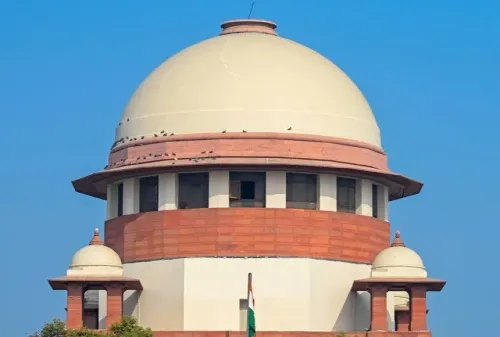
Notably, the Supreme Court, while examining broader challenges to the 2025 Waqf Amendment Act, had not stayed this specific requirement for non-Muslim members, though it placed an upper ceiling of three non-Muslim members in State Waqf Boards.
Relief Sought
George has sought a declaration that the Kerala Waqf Board is functioning in violation of the amended law, that its decisions in the present form are void, and that the state government be directed to immediately appoint the required two non-Muslim members to the Board.
The Kerala High Court's ruling on the petition is now closely watched, as it could set a precedent for Waqf administration across states and directly affect ongoing property disputes linked to Waqf assets in Kerala.
Point of View
The petitioner has narrowed the Kerala government's room to manoeuvre. The state's own Government Order of February 2026 acknowledged the gap, which makes the 'future compliance' defence difficult to sustain in court. What mainstream coverage underplays is the downstream consequence: if the High Court agrees that the Board lacks jurisdiction, every property-related order it has issued since reconstitution becomes contestable — a legal cascade that could paralyse Waqf administration in Kerala for months. The Munambam angle adds political heat, but the structural question — whether a statutory body can function while openly non-compliant with its own enabling legislation — is one that courts across India may have to answer for other Waqf Boards as well.
NationPress
26 Oct 2026
Frequently Asked Questions
Why has the Kerala Waqf Board been challenged in the High Court?
BJP state vice-president Shone George has filed a PIL alleging that the Kerala State Waqf Board was reconstituted in February 2026 without appointing the two non-Muslim members mandated by the 2025 Waqf Amendment Act. He argues this makes the Board's constitution invalid and all its decisions potentially void.
What does the 2025 Waqf Amendment Act require for State Waqf Boards?
The amended Section 14(1) of the United Waqf Management, Empowerment, Efficiency and Development Act, 1995 — effective from 8 April 2025 — requires every State Waqf Board to include at least two non-Muslim members, excluding ex-officio members.
What relief has the petitioner sought from the Kerala High Court?
The petitioner has sought a declaration that the Kerala Waqf Board is functioning in violation of the amended law, that its current decisions are null and void, and that the state government be directed to immediately appoint the two mandatory non-Muslim members.
How does this case relate to the Munambam Waqf land dispute?
The PIL specifically raises the Munambam Waqf land dispute, which involves more than 600 families, arguing that the Board's non-compliant composition has contributed to public unrest. Any orders the Board may have passed regarding the dispute could be challenged if the court finds the Board's constitution invalid.
What has the Supreme Court said about non-Muslim members in Waqf Boards?
The Supreme Court, while examining broader challenges to the 2025 Waqf Amendment Act, did not stay the requirement for non-Muslim members in State Waqf Boards. It did, however, place an upper ceiling of three non-Muslim members per Board.