Kerala HC gives state 6 weeks to fill Waqf Board vacancies
Synopsis
The Kerala High Court has given the state six weeks to fill three Waqf Board vacancies — but deliberately stopped short of ordering a full reconstitution. With PILs from a Christian trust and a BJP leader challenging the Board's composition and its handling of the Munambam land dispute, the next hearing could force a far more consequential ruling on whether the Board is lawfully constituted at all.
Key Takeaways
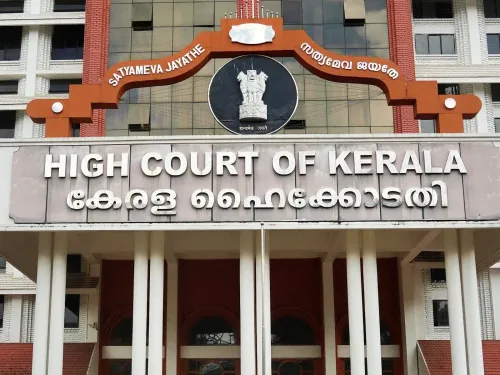
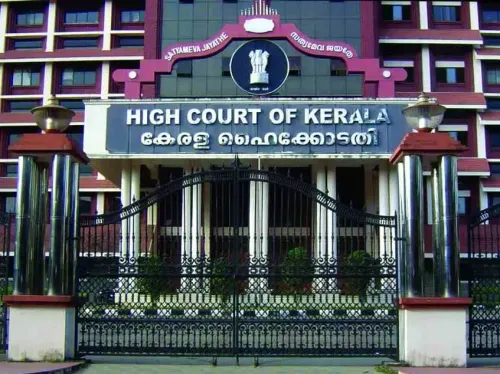
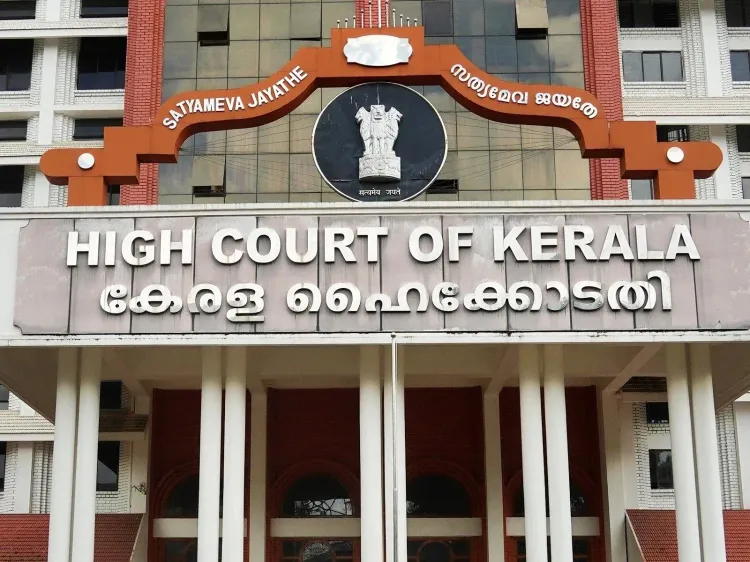
The Kerala High Court on 19 August gave the state government six weeks to fill three vacancies in the Kerala State Waqf Board .
The Division Bench of Chief Justice Soumen Sen and Justice V.M.
Syam Kumar recorded the Advocate General's submission that vacancy-filling steps had already begun.
The court did not rule on whether the Board requires full reconstitution under the amended Waqf Act — that question is reserved for the next hearing.
ACTS (Assembly of Christian Trust Services) has challenged the Board's uploading of Munambam land details on the Centre's UMEED portal , arguing it affects Hindu and Christian families.
BJP leader Shone George has sought appointment of two non-Muslim members and a declaration that the Board violates Section 14(1) of the amended Waqf Act.
The inclusion of CPI(M) politician and former MLA Kunhammed Kutty Master in the Board has also been challenged in the PILs.
The Kerala High Court on Wednesday, 19 August directed the Kerala state government to fill three existing vacancies in the Kerala State Waqf Board within six weeks, while keeping the broader legal challenge over the Board's composition under the amended Waqf Act open for a future hearing. The order reflects the court's immediate concern with ensuring the Board's functional continuity rather than adjudicating its structural compliance.
What the Court Ordered
A Division Bench comprising Chief Justice Soumen Sen and Justice V.M. Syam Kumar recorded the submission of Advocate General K. Jaju Babu that the government had already initiated steps to fill the vacancies in line with the amended legislation. The Bench adjourned the matter for six weeks, giving the government a window to take appropriate steps. Crucially, the court clarified that its interim order had not prevented the existing Board from functioning in the meantime.
What the Court Did Not Decide
The Bench explicitly stated that it was not, at this stage, determining whether the Board requires full reconstitution for allegedly failing to comply with the amended Waqf Act's provisions. The alleged violation of statutory provisions regarding the Board's composition was left aside, preserving those questions for the next hearing. This stop-short approach signals a calibrated judicial posture — addressing operational gaps without pre-empting the larger constitutional and statutory questions.
The PILs Behind the Case
The order arises from a batch of public interest litigations challenging the Kerala Waqf Board's current composition. The Christian charitable organisation Assembly of Christian Trust Services (ACTS) has challenged both the Board's composition and its decision to upload details of the disputed Munambam land on the Centre's UMEED portal. ACTS contends that this move affects Hindu and Christian families residing in the area and argues that the Waqf Act empowers only the muttawali — not the Board — to undertake such filing. ACTS has also flagged the non-inclusion of representatives of the Shia, Bohra, and Aghakhani communities.
In a separate PIL, Bharatiya Janata Party (BJP) leader Shone George has sought the immediate appointment of two non-Muslim members and a declaration that the Board is functioning in violation of Section 14(1) of the amended Waqf Act. Both petitions have also raised questions over the inclusion of CPI(M) politician and former MLA Kunhammed Kutty Master in the Board.
Background and Significance
During a previous hearing, the court had orally observed that no order restrained the state government from reconstituting the Board and that it could appoint the statutorily mandated non-Muslim members. Wednesday's order, however, stops short of directing reconstitution — leaving that determination for after the government reports back on vacancy-filling. This comes amid a wider national debate over the amended Waqf Act, which has drawn legal challenges and political controversy across multiple states.
What Happens Next
The next hearing is expected to be a pivotal one. The government will be required to report the steps taken to fill the three vacancies. Depending on that report, the court may then be compelled to address the more contentious question of whether the Board's overall composition — including the mandatory inclusion of non-Muslim members — meets the requirements of the amended law.
Point of View
But it sidesteps the harder question: whether a Board that allegedly excludes mandated non-Muslim members and community representatives is lawfully constituted under the amended Waqf Act. The Kerala government's delay in filling even basic vacancies — despite the law's clear requirements — reflects the political sensitivity of the Waqf issue for the ruling CPI(M), which faces pressure from multiple directions. The Munambam land controversy adds a communal dimension that makes the next hearing far more consequential than the order's measured language suggests. If the court ultimately rules on reconstitution, it could set a precedent with implications for Waqf Boards across other states navigating the amended legislation.
NationPress
3 Oct 2026
Frequently Asked Questions
Why did the Kerala High Court give the state six weeks regarding the Waqf Board?
The Kerala High Court gave the state government six weeks to fill three existing vacancies in the Kerala State Waqf Board, prioritising the Board's functional continuity. The court's immediate concern was ensuring the Board could operate properly, while deferring the larger question of whether the Board needs full reconstitution under the amended Waqf Act.
What is the dispute over the Kerala State Waqf Board's composition?
A batch of PILs argues that the Board's current composition violates the amended Waqf Act, particularly by failing to include non-Muslim members and representatives of the Shia, Bohra, and Aghakhani communities as mandated under Section 14(1). The court has not yet ruled on these challenges.
What is the Munambam land controversy linked to this case?
The Assembly of Christian Trust Services (ACTS) has challenged the Kerala Waqf Board's decision to upload details of the disputed Munambam land on the Centre's UMEED portal. ACTS argues this affects Hindu and Christian families in the area and that only the muttawali — not the Board — is empowered under the Waqf Act to make such a filing.
Who has filed PILs against the Kerala Waqf Board?
Two notable petitions have been filed — one by the Christian charitable organisation Assembly of Christian Trust Services (ACTS), and another by BJP leader Shone George. Both challenge the Board's composition; Shone George has also sought a declaration that the Board is functioning in violation of the amended Waqf Act.
What happens at the next hearing in the Kerala Waqf Board case?
At the next hearing, the government must report the steps taken to fill the three vacancies. The court may then address the more substantive question of whether the Board's overall composition — including mandatory non-Muslim representation — complies with the amended Waqf Act, potentially leading to a reconstitution order.