Kerala Waqf Board restrictions upheld by SC; BJP claims legal vindication
Synopsis
The Supreme Court's refusal to stay Kerala High Court curbs on the Kerala State Waqf Board is more than a procedural ruling — it keeps a statutory body's operations in check over an alleged violation of the Waqf (Amendment) Act's mandatory composition rules. With the Board unable to take major policy decisions or utilise funds, the case raises pointed questions about state compliance with central legislation.
Key Takeaways
The Supreme Court refused to stay Kerala High Court restrictions on the Kerala State Waqf Board on Tuesday, 22 July 2025 .
The only relief granted was the removal of an observation in Paragraph 6 of the High Court order regarding the Joint Secretary's supervisory role.
Curbs on major policy decisions, creation of financial liabilities, and utilisation of funds remain in force.
BJP State Vice-President Shaun George had petitioned the High Court, alleging the Board has operated since February without two mandatory non-Muslim members under the Waqf (Amendment) Act .
The Supreme Court also declined to disturb the High Court's decision to keep the Board's earlier decisions in abeyance.
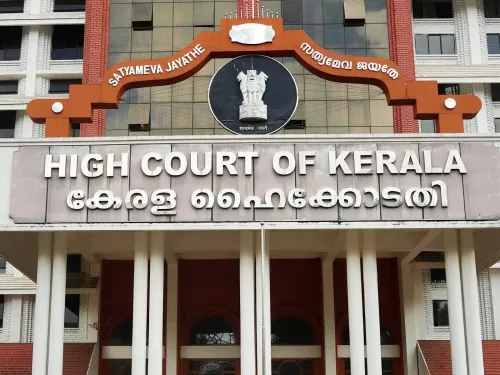
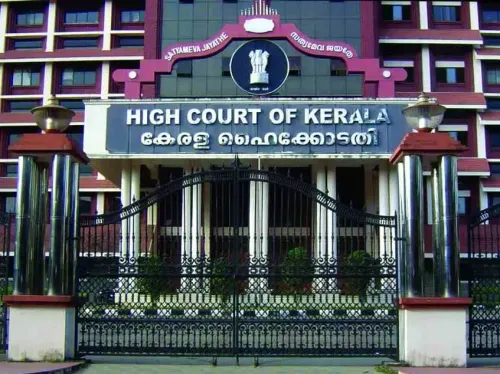
The Supreme Court on Tuesday, 22 July 2025 declined to stay the restrictions placed by the Kerala High Court on the Kerala State Waqf Board, leaving curbs on major policy decisions, financial liabilities, and fund utilisation firmly in place. The ruling has prompted the Bharatiya Janata Party (BJP) to claim that its legal challenge against the Board has been substantially upheld.
What the Supreme Court Decided
The apex court granted only limited relief to the Waqf Board — removing a specific observation in Paragraph 6 of the High Court judgment that concerned the supervisory role of the Joint Secretary. All other directions issued by the High Court were left untouched, meaning the operational restrictions on the Board remain in force.
Critically, the Supreme Court also declined to interfere with the High Court's decision to keep in abeyance the decisions taken by what the petitioner described as an illegally constituted Board.
The BJP's Legal Challenge
BJP State Vice-President Shaun George, who had originally petitioned the Kerala High Court challenging the constitution of the Board, said the outcome vindicates his position. According to George, the Kerala State Waqf Board has been functioning since February without appointing the two non-Muslim members whose inclusion is mandatory under the Waqf (Amendment) Act.
It was this alleged statutory violation that led George to seek High Court intervention in the first place.
What the Restrictions Mean
With the Supreme Court's refusal to stay the High Court order, the Board faces continued curbs on three key fronts: taking major policy decisions, creating financial liabilities, and utilising funds. These restrictions effectively limit the Board's operational autonomy until the constitutional questions around its composition are resolved.
This is a significant constraint for a statutory body that oversees Waqf properties across Kerala — a state with a substantial Muslim population and a large portfolio of Waqf assets.
What George Said
'The Supreme Court's stand sends a clear message that institutions functioning in violation of statutory provisions cannot expect judicial protection,' George said. He further argued that the order reinforces the principle that laws enacted by Parliament are binding on all states alike, and that political or ideological differences cannot be cited as grounds for non-compliance.
What Happens Next
The legal proceedings before the Kerala High Court are expected to continue, with the composition of the Waqf Board and the mandatory inclusion of non-Muslim members under the Waqf (Amendment) Act remaining central issues. The BJP has described the Supreme Court's stance as a significant legal development that strengthens the case for constitutional governance in the functioning of statutory bodies. The Waqf Board's response to the continued restrictions is awaited.
Point of View
Not a sweeping endorsement of the BJP's position. Yet the practical effect is the same: a statutory body remains hobbled over what is essentially a composition dispute rooted in a central law. The deeper tension here is between a state government reluctant to implement the Waqf (Amendment) Act and a judiciary unwilling to shield non-compliance. If the Board has indeed functioned for months without mandatory non-Muslim members, that is a straightforward statutory violation — and the courts appear disinclined to look away. How Kerala responds will test whether the rule of law applies uniformly to minority-institution governance.
NationPress
20 Oct 2026
Frequently Asked Questions
What did the Supreme Court decide on the Kerala Waqf Board?
The Supreme Court declined to stay the restrictions imposed by the Kerala High Court on the Kerala State Waqf Board, leaving curbs on major policy decisions, financial liabilities, and fund utilisation in place. The court granted only limited relief by removing one observation related to the Joint Secretary's supervisory role.
Why was the Kerala Waqf Board challenged in court?
BJP State Vice-President Shaun George challenged the Board's constitution before the Kerala High Court, alleging it has functioned since February without appointing two non-Muslim members — a requirement mandated under the Waqf (Amendment) Act. This alleged statutory violation formed the basis of the legal challenge.
What restrictions does the Kerala Waqf Board now face?
The Board faces continued curbs on taking major policy decisions, creating financial liabilities, and utilising funds. Additionally, decisions taken by the Board during the disputed period remain in abeyance as per the High Court's direction, which the Supreme Court did not disturb.
Why does the BJP consider this ruling a victory?
The BJP argues that since the Supreme Court left nearly all of the Kerala High Court's directions intact, its core legal position — that the Board was illegally constituted — has been substantially upheld. George stated the ruling affirms that institutions violating statutory provisions cannot expect judicial protection.
What happens next in this case?
Legal proceedings before the Kerala High Court are expected to continue, with the Board's composition and mandatory inclusion of non-Muslim members remaining the central issues. The Waqf Board's formal response to the continued restrictions is yet to be made public.