Gyanesh Kumar corruption case: Kerala govt reopens 20-year-old KSTP probe
Synopsis
Kerala has reopened a nearly 20-year-old corruption case connected to Chief Election Commissioner Gyanesh Kumar — the country's top poll official. The probe, rooted in a KSTP road project scandal and the death of a Malaysian engineer, is hampered by faded records and aged digital systems. Most striking: bitter Kerala rivals Congress and CPI(M) are both backing the inquiry, signalling that the real stakes here are national, not local.
Key Takeaways
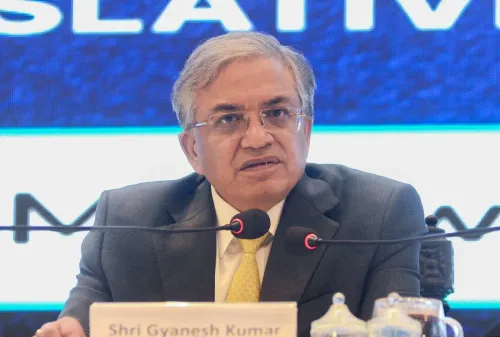
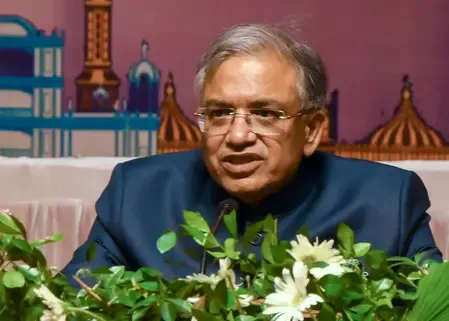
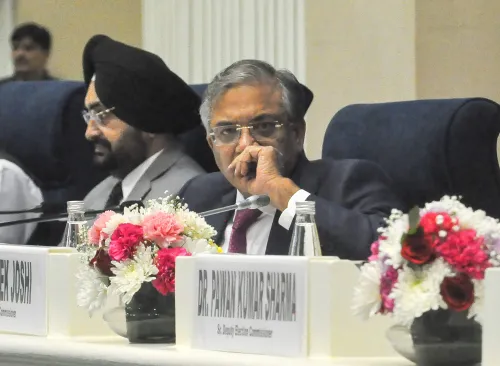
The Kerala Vigilance Department has reopened a nearly 20-year-old alleged corruption case linked to Chief Election Commissioner Gyanesh Kumar .
The case stems from the Kerala State Transport Project (KSTP) road project and the death of Malaysian engineer Lee See Bin .
Both Congress and CPI(M) — political rivals in Kerala — have backed the decision to revive the probe.
Vigilance Director Manoj Abraham is leading the investigation, which faces significant hurdles including aged paper files and outdated digital systems.
The original investigation under the V.S.
Achuthanandan government was closed after finding no evidence against Kumar.
The department will first determine whether existing material is sufficient to justify a formal fresh investigation.
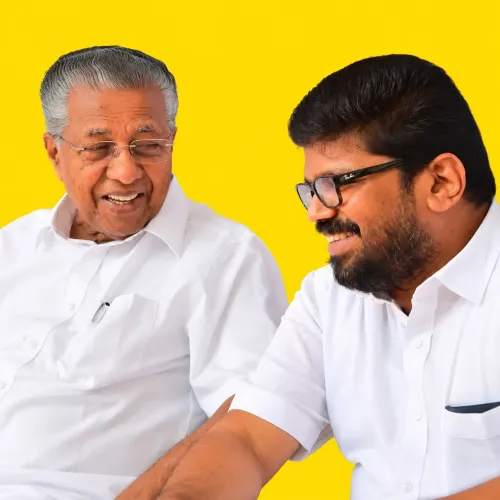
The Kerala government led by Chief Minister Pinarayi Vijayan has moved to reopen a nearly two-decade-old alleged corruption case involving Chief Election Commissioner (CEC) Gyanesh Kumar, adding a sharp political dimension to what was once a closed investigation. The case, linked to the Kerala State Transport Project (KSTP) road project, had been shut after finding no evidence against Kumar, who was then a senior IAS officer.
Why the Case Has Resurfaced
The renewed probe gains significance far beyond its original allegations. Gyanesh Kumar now heads the Election Commission of India (ECI) — the country's apex poll body — making any investigation into his conduct a matter of national political consequence. The Congress-led INDIA bloc has been openly critical of the CEC on multiple issues relating to the functioning of the poll panel, and the move to revive the case has drawn backing from both the Indian National Congress (Congress) and the Communist Party of India (Marxist) (CPI(M)) — parties that otherwise remain bitter rivals within Kerala.
Notably, this rare alignment between the Congress and the CPI(M), despite their deep political differences in the state, underscores the politically charged nature of the probe.
What the Vigilance Team Is Doing
The Vigilance Department, led by Vigilance Director Manoj Abraham, has made its first move but is proceeding cautiously, conscious of the legal and practical hurdles in revisiting a case closed nearly 20 years ago. The immediate task is to retrieve files connected to the KSTP road project, believed to be stored at a public office in Thiruvananthapuram.
Investigators will also examine whether electronic records from the original probe can be recovered. The computers and systems used at the time have long exceeded their operational lifespan, making digital data retrieval a significant challenge.
Background: The KSTP Case and Lee See Bin's Death
The case dates to the death by suicide of Malaysian engineer Lee See Bin, the project director of Patibel, the company associated with the KSTP road project. His death triggered allegations of corruption linked to the project. The original Vigilance inquiry was conducted during the government of V.S. Achuthanandan, and a sub-committee comprising then ministers M. Vijayakumar, K.P. Rajendran, T.U. Kuruvilla, and Thomas Isaac examined the allegations. Minister Kuruvilla has since passed away. The investigation was subsequently closed after no evidence was found against Kumar.
What Investigators Must Now Establish
The Vigilance team will revisit statements recorded during the original inquiry, including those of officials from the General Administration and Finance departments, KSTP, and representatives of the company involved. The statement of the chartered accountant who audited the road project is considered particularly crucial.
The department will first assess whether available material provides sufficient grounds to formally launch a fresh investigation — a threshold that, reportedly, may prove difficult to clear given the age of the records.
Political and Constitutional Stakes
The probe is poised to become as much a politically watched proceeding targeting the country's top electoral official as it is a routine reopening of a stale corruption allegation. Critics argue the timing — with the INDIA bloc's sustained criticism of the CEC — raises questions about the investigation's independence. Supporters counter that no office-holder, however high, is beyond scrutiny.
How the Vigilance Department navigates the evidentiary and legal obstacles ahead will determine whether this becomes a substantive probe or a prolonged political standoff.
Point of View
Two parties that fiercely contest every ward in Kerala, is itself a political signal. If the Vigilance team cannot clear the evidentiary threshold after reviewing decades-old files and long-defunct computers, the probe risks becoming a slow-burn political tool rather than a credible accountability mechanism. The larger question it poses is whether India's election oversight infrastructure can function credibly when its chief is simultaneously the subject of a state-government-driven investigation backed by the national opposition.
NationPress
6 Oct 2026
Frequently Asked Questions
What is the Kerala Vigilance Department's case against Gyanesh Kumar?
The Kerala Vigilance Department has reopened a nearly 20-year-old alleged corruption case linked to the Kerala State Transport Project (KSTP) road project, in which Gyanesh Kumar was involved as a senior IAS officer at the time. The original probe, conducted during the V.S. Achuthanandan government, was closed after finding no evidence against Kumar. The renewed investigation will first assess whether existing material provides grounds for a fresh formal inquiry.
Why is this probe politically significant?
Gyanesh Kumar is now the Chief Election Commissioner of India, making any investigation into his past conduct a matter of national consequence. The Congress-led INDIA bloc has been openly critical of the CEC, and both Congress and CPI(M) — bitter rivals in Kerala — have backed the probe, signalling that its implications extend well beyond state politics.
What were the original allegations in the KSTP case?
Corruption allegations arose in connection with the KSTP road project following the death by suicide of Malaysian engineer Lee See Bin, who was the project director of Patibel, the company associated with the project. A ministerial sub-committee examined the allegations during the V.S. Achuthanandan government, but the Vigilance inquiry was subsequently closed for lack of evidence.
What challenges does the Vigilance team face in reopening the case?
Investigators must retrieve nearly two-decade-old files believed to be stored at a public office in Thiruvananthapuram, and determine whether electronic records from the original probe can still be recovered. The computers used at the time have long exceeded their operational lifespan, making digital data retrieval extremely difficult. The team must also re-examine witness statements from officials across multiple departments.
Who else is involved in the investigation?
The Vigilance team, headed by Vigilance Director Manoj Abraham, will revisit statements of officials from the General Administration and Finance departments, KSTP, and company representatives. The statement of the chartered accountant who audited the road project is considered particularly important to the renewed inquiry.