Kerala scraps Loka Kerala Sabha, eyes Global NORKA Council for diaspora
Synopsis
Kerala has dissolved the Loka Kerala Sabha — a diaspora forum the ruling Congress-led UDF once boycotted in opposition — and is now proposing a Global NORKA Coordination Council as a replacement. The twist: the Pravasi Welfare Board that underpins NRK welfare is running at nearly double its revenue in expenditure, with over ₹700 crore in outstanding dues and pension arrears yet to be cleared.
Key Takeaways
Satheesan on 29 October 2026 defended the dissolution of the Loka Kerala Sabha , saying it had failed its mandate.
The state proposes a Global NORKA Coordination Council as the replacement; a committee led by the CM is designing the new body.
The Loka Kerala Sabha was originally launched in 2018 by the LDF government under Pinarayi Vijayan ; Satheesan's UDF had boycotted it in opposition.
The Pravasi Welfare Board spends nearly ₹35 crore per month against revenue of ₹16.7 crore , with over ₹700 crore in outstanding contributions.
The state has paid ₹32 crore in pension support over five months but arrears remain; NORKA insurance schemes are also being reworked.
Satheesan urged the Centre to regulate steep airfares that are 'exhausting the savings of ordinary migrant workers.'
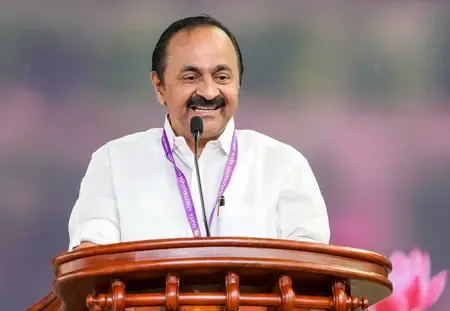
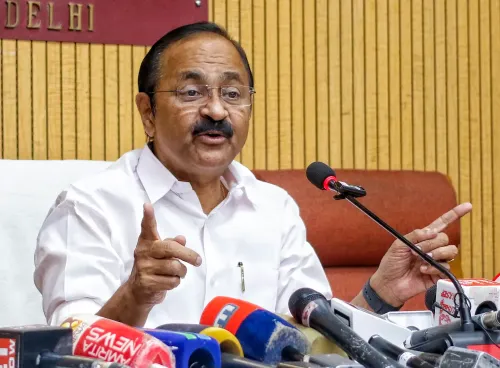
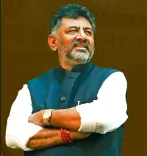
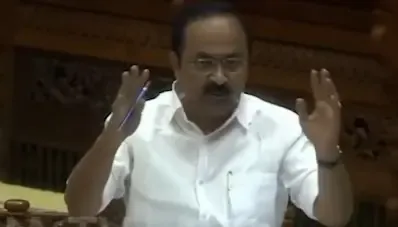
Kerala Chief Minister V.D. Satheesan on Thursday, 29 October 2026, defended the state government's decision to dissolve the Loka Kerala Sabha, telling the state Assembly that the forum had failed to fulfil its mandate and that a more effective replacement would be put in place. The announcement came in response to an adjournment motion seeking debate on delays in expatriate benefits and the scrapping of the diaspora body — a move that directly concerns the millions of Malayalis living and working abroad.
Why the Loka Kerala Sabha Was Scrapped
Launched in 2018 by the previous Left Democratic Front (LDF) government under Chief Minister Pinarayi Vijayan, the Loka Kerala Sabha brought together elected representatives and nominated members of the global Malayali diaspora to deliberate on migration, welfare, investment and related issues facing non-resident Keralites (NRKs). However, the forum drew controversy throughout its existence. The Congress-led United Democratic Front (UDF) — now in power with Satheesan as Chief Minister — had boycotted its sessions during the LDF tenure, citing alleged extravagance and the failure to act on recommendations.
Satheesan, now on the other side of the aisle, told the Assembly that the forum 'had failed to serve its intended purpose' and that the state government was examining a genuinely workable alternative. Notably, the very body his party once opposed on grounds of inefficacy is now being replaced under his own watch — a pivot that opposition members are unlikely to let pass without scrutiny.
The Proposed Replacement: Global NORKA Coordination Council
The state government has proposed a Global NORKA Coordination Council to maintain more regular engagement with expatriates and their representative organisations. A committee headed by the Chief Minister himself is currently evaluating the appropriate institutional design for the new body.
'The state government is examining a new system to enable expatriates to raise their concerns, contribute to Kerala's development and channel their remittances into productive investments,' Satheesan said in the Assembly. The timeline for formalising the council has not yet been announced.
Pravasi Welfare Board's Deep Financial Strain
The Assembly debate also brought into sharp relief the fiscal difficulties confronting the Pravasi Welfare Board. Satheesan disclosed that board membership had grown sharply — from 17,771 in 2020–21 to 1,00,495 — but average monthly revenue has remained around ₹16.7 crore against monthly expenditure of nearly ₹35 crore, a structural deficit of over ₹18 crore per month.
The state government has already provided ₹32 crore towards pension payments over the past five months, yet pension arrears remain to be cleared. More than ₹700 crore in outstanding contributions is yet to be recovered, Satheesan said, urging expatriate organisations to assist in collecting the dues. He also noted that heavy claims under NORKA's insurance schemes had made policy renewal difficult, and that the insurance arrangement is being reworked.
Airfare Costs: A Separate Grievance
Beyond institutional reform and welfare finance, Satheesan flagged a concern that resonates deeply with ordinary migrant workers: the steep cost of flying home. The Chief Minister said the state had repeatedly urged the Centre to regulate high airfares on routes to Kerala, noting that the expense was 'exhausting the savings of ordinary migrant workers.' Airfare regulation, however, is a Union subject, limiting the state's direct leverage.
What Happens Next
The government has committed to introducing an alternative to the Loka Kerala Sabha while continuing to address expatriate welfare and investment needs. The committee examining the new mechanism has not indicated a deadline, and the financial gap at the Pravasi Welfare Board will require a credible revenue strategy — not just a structural reshuffle. For Kerala's vast diaspora, the critical question is whether the proposed Global NORKA Coordination Council will move from deliberation to delivery faster than its predecessor did.
Point of View
And is now dismantling it in government — while proposing yet another consultative body. The Pravasi Welfare Board's numbers tell the real story: a structural monthly deficit of roughly ₹18 crore, over ₹700 crore in uncollected dues, and pension arrears piling up for some of Kerala's most financially vulnerable returnees. Renaming the forum does nothing to fix that arithmetic. The credibility of the Global NORKA Coordination Council will ultimately rest not on its institutional design but on whether the government can first stabilise the welfare system that millions of Malayalis actually depend on.
NationPress
29 Oct 2026
Frequently Asked Questions
Why has Kerala scrapped the Loka Kerala Sabha?
Chief Minister V.D. Satheesan told the state Assembly on 29 October 2026 that the Loka Kerala Sabha had failed to serve its intended purpose. The Congress-led UDF government decided to dissolve the forum — originally set up by the previous LDF administration in 2018 — and replace it with a new mechanism for diaspora engagement.
What is the Global NORKA Coordination Council?
It is the proposed replacement for the Loka Kerala Sabha, designed to provide more regular engagement between the Kerala government and non-resident Keralites and their organisations. A committee headed by Chief Minister Satheesan is currently determining the exact institutional structure; no formal launch date has been announced.
What is the financial situation of Kerala's Pravasi Welfare Board?
The Pravasi Welfare Board is running a significant deficit, with monthly expenditure of nearly ₹35 crore against average revenue of around ₹16.7 crore. More than ₹700 crore in member contributions is outstanding, and pension arrears remain unpaid despite the state government injecting ₹32 crore over the past five months.
Who is affected by these changes?
The changes primarily affect non-resident Keralites — estimated to number in the millions — who depend on NORKA and the Pravasi Welfare Board for insurance, pensions and welfare support. Those with pending pension claims and NORKA insurance renewals face the most immediate impact.
What did Kerala's CM say about high airfares for expatriates?
Satheesan said the state had repeatedly urged the Centre to regulate steep airfares on routes serving Kerala, noting that travel costs were exhausting the savings of ordinary migrant workers. Since civil aviation is a Union subject, the state's ability to act unilaterally on the issue is limited.