Karnataka Cabinet clears Tribal Development Corporation with ₹33.36 crore grant

Synopsis
Karnataka's cabinet has greenlit a brand-new development corporation exclusively for its most marginalised tribal communities — including forest-dwelling PVTGs like the Soliga and Siddi — with a ₹33.36 crore seed fund. The move converts a Siddaramaiah budget promise into institutional reality and signals a shift toward dedicated, identity-specific welfare architecture for Karnataka's 33 Scheduled Tribe communities.
Key Takeaways
The Karnataka Cabinet approved the Karnataka Tribal Development Corporation on 29 October 2026 .
The corporation will be set up with a seed grant of ₹33.36 crore .
It will cover 33 Scheduled Tribe communities , with a focus on Particularly Vulnerable Tribal Groups (PVTGs) such as the Irula , Soliga , Jenukuruba , Kadukuruba , Kudiya , and Siddi .
The proposal was cleared at a cabinet meeting chaired by Chief Minister D.K.
Shivakumar at Vidhana Soudha , Bengaluru .
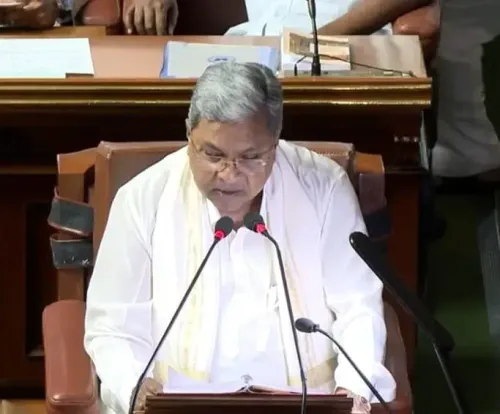
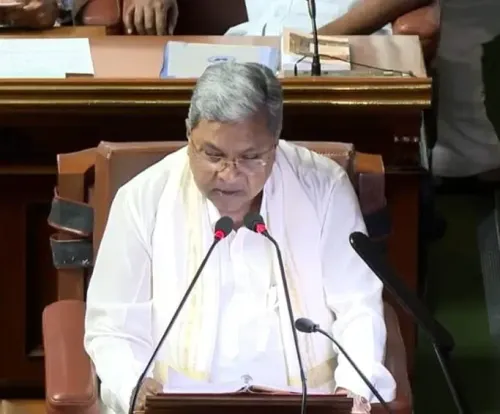
The corporation fulfils a promise made in the 2026-27 state budget by former Chief Minister Siddaramaiah .
Karnataka already has three existing tribal and nomadic community development corporations; the new body fills a gap for forest-dwelling PVTGs.
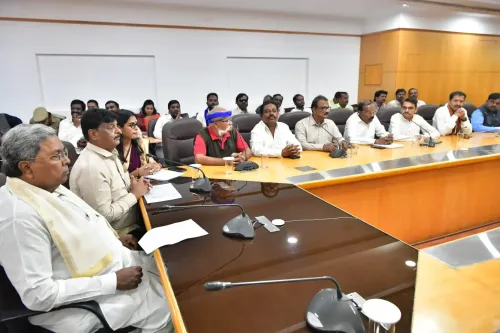
The Karnataka state cabinet on 29 October 2026 approved the establishment of the Karnataka Tribal Development Corporation, a dedicated body to drive the social, educational, and economic upliftment of tribal communities, including Particularly Vulnerable Tribal Groups (PVTGs) and micro Scheduled Tribes. The proposal was cleared at a cabinet meeting chaired by Chief Minister D.K. Shivakumar at Vidhana Soudha, Bengaluru, with a seed grant of ₹33.36 crore.
What the New Corporation Covers
The new corporation will encompass 33 Scheduled Tribe communities, with a mandate to design and implement targeted schemes for their socio-educational and economic empowerment. A strong focus has been placed on promoting entrepreneurship, skill development, market support, and livelihood enhancement for tribal households.
Notably, the corporation will give particular attention to PVTGs residing in and around forest areas — communities such as the Irula, Soliga, Jenukuruba, Kadukuruba, Kudiya, and Siddi, who have historically been among the most marginalised groups in the state.
Budget Origin and Policy Context
The initiative fulfils a commitment made in the 2026-27 Karnataka state budget by then Chief Minister Siddaramaiah, according to an official statement from the ST Welfare Ministry. This brings a budget promise to institutional reality within the same fiscal year — a relatively swift turnaround by state-government standards.
This comes amid a broader national conversation on the adequacy of tribal welfare frameworks, particularly following the Forest Rights Act implementation gaps flagged by civil society groups across southern India.
How It Differs from Existing Corporations
Karnataka already operates several caste- and community-specific development bodies: the Karnataka Maharshi Valmiki Scheduled Tribes Development Corporation, the Karnataka Medara Development Corporation, and the Nomadic Communities Development Corporation — each aligned to particular communities based on traditional occupations and habitats.
The government has recognised, however, that none of these adequately addresses the holistic developmental needs of PVTGs, particularly those in forest-fringe and interior habitats. The new corporation is designed to fill that institutional gap with a single-window focus on the most vulnerable tribal segments.
What Comes Next
With cabinet approval secured, the state government is expected to notify the corporation's formal structure, board composition, and operational guidelines in the coming weeks. Industry and tribal rights observers will be watching whether the ₹33.36 crore seed grant is augmented in subsequent budget cycles, given the scale of the 33 communities it is meant to serve.
Point of View
Or does it dilute accountability across bodies with overlapping mandates? The ₹33.36 crore seed grant — spread across 33 communities — is modest by any measure, and the real test will be whether this corporation secures recurring budget allocations or fades into the long list of underfunded welfare bodies. The specific focus on PVTGs in forest-fringe areas is the right instinct, but execution depends on whether tribal communities themselves have voice in the new body's governance. Karnataka has the institutional skeleton; what it needs is genuine participatory architecture.
NationPress
29 Oct 2026
Frequently Asked Questions
What is the Karnataka Tribal Development Corporation?
The Karnataka Tribal Development Corporation is a newly approved state body dedicated to the social, educational, and economic development of tribal communities, particularly Particularly Vulnerable Tribal Groups (PVTGs). The Karnataka Cabinet cleared its formation on 29 October 2026 with a seed grant of ₹33.36 crore, and it will cover 33 Scheduled Tribe communities.
Which tribal communities will the new corporation serve?
The corporation will serve 33 Scheduled Tribe communities in Karnataka, with a specific focus on PVTGs residing in and around forest areas, including the Irula, Soliga, Jenukuruba, Kadukuruba, Kudiya, and Siddi communities.
How does this corporation differ from existing ones in Karnataka?
Karnataka already operates the Karnataka Maharshi Valmiki Scheduled Tribes Development Corporation, the Karnataka Medara Development Corporation, and the Nomadic Communities Development Corporation. The new body is specifically designed to address gaps in holistic development for PVTGs and micro Scheduled Tribes not adequately covered by existing institutions.
Who announced the Karnataka Tribal Development Corporation?
The corporation was first announced in the 2026-27 Karnataka state budget by then Chief Minister Siddaramaiah. The cabinet under Chief Minister D.K. Shivakumar formally approved its establishment on 29 October 2026.
What will the corporation focus on?
The corporation's primary mandate includes designing and implementing special schemes for socio-educational and economic upliftment, with emphasis on entrepreneurship promotion, skill development, market support, and livelihood enhancement for tribal communities.