Kerala forms expert panel as Shigella cases hit 146, five dead
Synopsis
Kerala's Shigella outbreak is accelerating fast — 70 of the state's 146 cases this year were reported in June alone, with five deaths across three districts. The state has now formed a WHO-veteran-led expert panel, but the monsoon's arrival and delayed pre-monsoon sanitation drives raise the stakes considerably.
Key Takeaways
Kerala constituted a high-powered health expert panel on 16 June to strengthen disease surveillance and containment.
The panel is chaired by former WHO official Dr S.S.
Lal , with Dr Sharmila Mary Joseph as coordinator.
146 Shigella cases have been reported in Kerala from January to mid-June, with 70 cases in June alone .
Five deaths linked to Shigella have been recorded across Malappuram , Kozhikode , and Thrissur districts.
Kozhikode is the worst-affected district with 74 total cases , including 22 this month.
Pre-monsoon sanitation drives were delayed due to the election period, compounding outbreak risk.
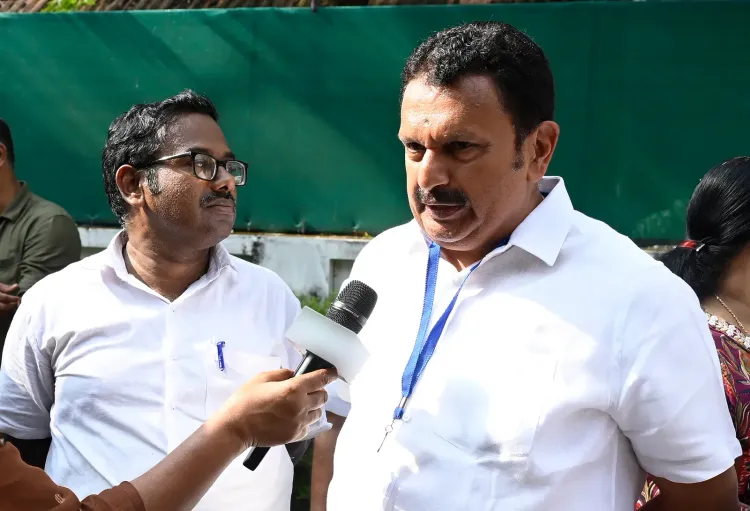
Kerala Health Minister K. Muraleedharan on Tuesday, 16 June announced the constitution of a high-powered committee of health experts to strengthen disease surveillance and containment across the state, as communicable diseases — including a sharp rise in Shigella infections — continue to spread. The move signals a significant escalation in the state government's public health response ahead of the monsoon season.
Committee Structure and Mandate
The expert panel will function under the chairmanship of public health specialist Dr S.S. Lal, a former World Health Organization (WHO) official, with Dr Sharmila Mary Joseph, Principal Secretary, Health, serving as coordinator. The committee will assess the prevailing disease situation and submit recommendations covering disease control protocols, medicine availability, and stock management.
Senior professionals from the Indian Medical Association (IMA) and specialists from other health sectors will also be part of the panel to ensure cross-disciplinary coordination. Separately, district-level action committees have been constituted to drive preventive measures and local public health interventions.
Shigella Surge: Key Numbers
Disease surveillance data point to a particularly worrying rise in Shigella infections. From January to mid-June, Kerala has recorded 146 Shigella cases, with 70 of those reported in June alone — indicating a steep acceleration in transmission. Five deaths linked to the infection have been confirmed so far, spread across Malappuram, Kozhikode, and Thrissur districts.
Kozhikode remains the worst-affected district, logging 74 cases in total, including 22 in the current month. Fresh cases have since emerged in other parts of the state as well.
What the Government Said
Minister Muraleedharan was careful to contextualise the spike, stating that the rise in infectious disease numbers was not attributable to any individual lapse. He noted that expanded testing capacity had led to greater case detection — a point that partly explains the higher reported figures. The minister confirmed that adequate medicine stocks are available statewide.
Directions have been issued to shut down unhygienic food establishments and to intensify inspections of packaged drinking water and mineral water units. Special monitoring is also being undertaken in areas historically vulnerable to diseases such as Nipah.
Election Delays and Monsoon Risk
The government acknowledged that pre-monsoon sanitation and cleaning drives were delayed in several areas due to the election period, which disrupted the timely rollout of preventive measures. With the monsoon now underway, health authorities are urging residents to maintain hygiene standards, ensure access to safe drinking water, and seek prompt medical attention if symptoms develop.
The convergence of monsoon onset and an accelerating Shigella outbreak makes the coming weeks a critical window for the state's public health machinery.
Point of View
Not a natural one. Kerala has managed Nipah and COVID responses with commendable speed in the past, but the delay in basic preventive groundwork this cycle created a vulnerability that the monsoon is now exploiting.
NationPress
16 Sept 2026
Frequently Asked Questions
What is the Shigella outbreak situation in Kerala?
Kerala has reported 146 Shigella cases from January to mid-June 2024, with 70 of those cases recorded in June alone. Five deaths linked to the infection have been confirmed across Malappuram, Kozhikode, and Thrissur districts.
Who is heading Kerala's new health expert committee?
The high-powered committee is chaired by public health expert Dr S.S. Lal, a former WHO official. Dr Sharmila Mary Joseph, Principal Secretary, Health, serves as its coordinator.
Why did Kerala see a delay in disease prevention measures?
The state government attributed delays in pre-monsoon sanitation and cleaning drives to the election period, which disrupted timely implementation of preventive measures in several areas.
Which district in Kerala has the most Shigella cases?
Kozhikode is the worst-affected district, recording 74 total Shigella cases, including 22 reported in June alone. Deaths have been reported in Malappuram, Kozhikode, and Thrissur.
What precautions are Kerala health authorities recommending?
Health authorities are urging the public to maintain hygiene, use safe drinking water, and seek medical attention promptly if symptoms appear. Inspections of packaged water units and unhygienic food establishments have been intensified statewide.