Kerala UDF wins 102 seats: Congress faces CM pick, cabinet balancing act
Synopsis
The UDF's 102-seat sweep in Kerala ends a decade of Left rule — but the harder work starts now. With the CM race wide open between Satheesan, Chennithala, and Venugopal, and a 21-member cabinet to fill across coalition partners and community equations, Congress faces a governance test before governance has even begun.
Key Takeaways
The Congress -led UDF won 102 seats in Kerala , ending 10 years in opposition.
Congress won 63 seats ; IUML 22 , Kerala Congress 7 , RSP 3 , and smaller allies make up the rest.
The Left was reduced to 35 seats ; BJP secured just 3 .
CM contenders include V.D.
Satheesan , Ramesh Chennithala , and K.C.
The 21-member cabinet must balance coalition shares, regional balance, caste equations, and women's representation.
Uma Thomas , Shanimol Usman , and Remya Haridas are among women frontrunners for cabinet berths.
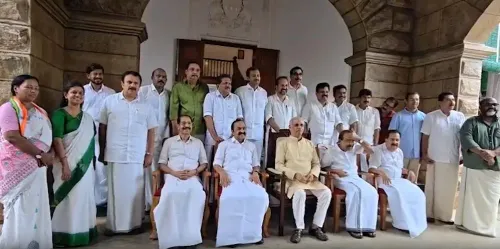
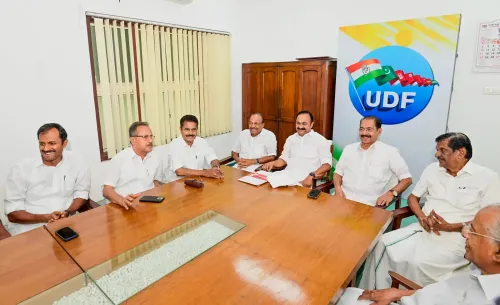
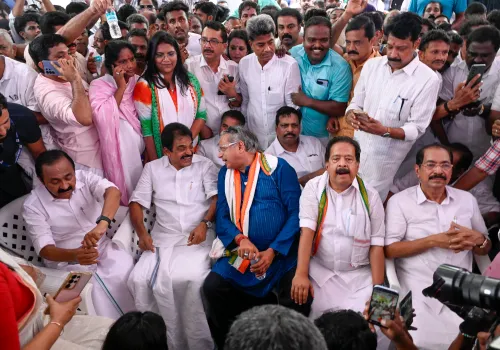
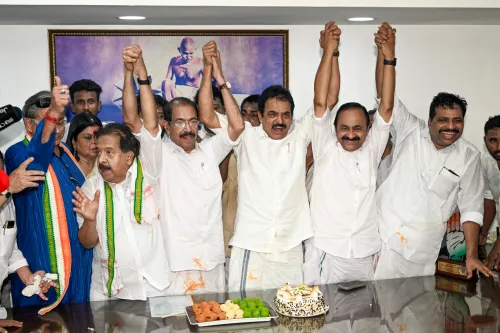
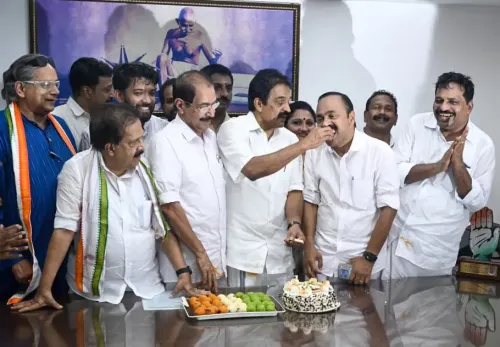
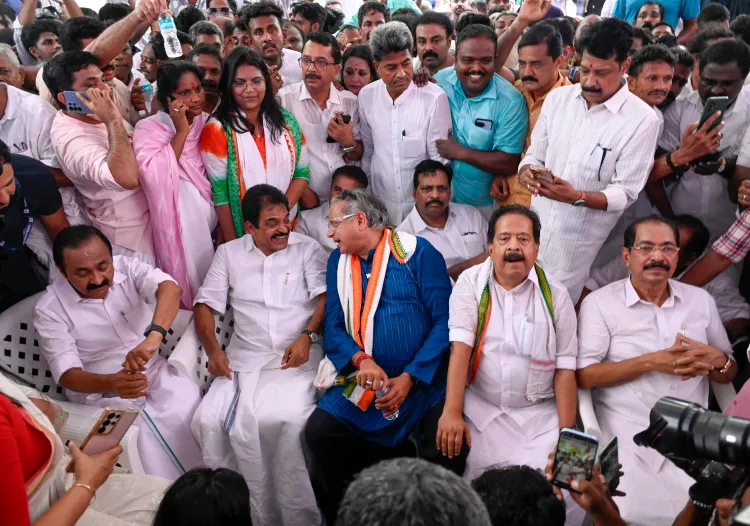
The Congress-led United Democratic Front (UDF) has returned to power in Kerala with a commanding 102 seats, ending a decade in opposition and immediately plunging the coalition into a high-stakes exercise of government formation. The emphatic victory, announced on 5 May from Thiruvananthapuram, sets the stage for a delicate balancing act between coalition arithmetic, caste and community representation, and generational change.
Scale of the Victory
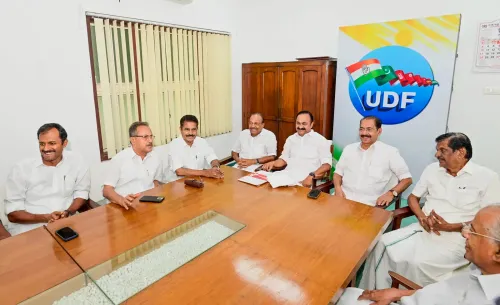
The UDF's seat tally breaks down as: Congress (63), Indian Union Muslim League — IUML (22), Kerala Congress (7), Revolutionary Socialist Party — RSP (3), and smaller allies. In contrast, the Left has been reduced to 35 seats while the Bharatiya Janata Party (BJP) secured just three, underscoring the decisive nature of the UDF's mandate. This is the coalition's first return to power after a full decade in opposition, making the expectations riding on it correspondingly high.
The Chief Minister Question
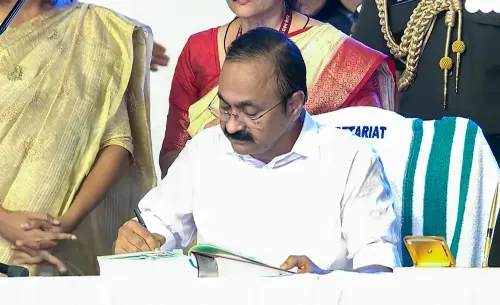
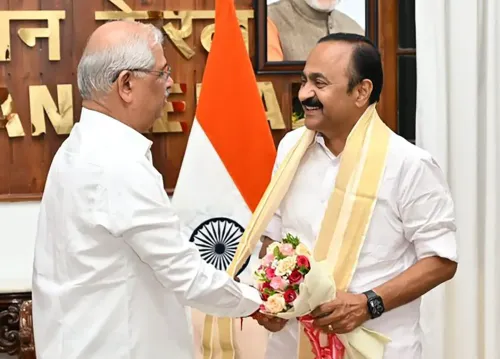
The first and most closely watched decision will be the selection of the Chief Minister. Three names are prominent in early deliberations: Leader of Opposition V.D. Satheesan, senior leader Ramesh Chennithala, and All India Congress Committee (AICC) general secretary K.C. Venugopal. The Congress high command will have to weigh administrative experience, generational change, and political messaging simultaneously. Notably, the choice is not merely about leadership — it will set the tone for internal cohesion and governance over the next five years.
Cabinet Formation: A Problem of Plenty
Once the leadership question is settled, the more arduous exercise begins: naming a 21-member cabinet that reflects both coalition arithmetic and Kerala's intricate social fabric. Allies will expect their due share, in line with past precedents. The IUML is likely to secure five cabinet berths, Kerala Congress two, and the RSP and Anoop Jacob one each — leaving Congress to distribute the remaining positions among its 63 MLAs, a task complicated by what many describe as a problem of plenty.
Within the Congress, the selection process will inevitably trigger debates over regional balance, caste and community representation, and generational inclusion. Names already in circulation include state party president Sunny Joseph, veterans Thiruvanchoor Radhakrishnan and K. Muraleedharan, along with N. Sakthan, M. Vincent, P.C. Vishnunath, A.P. Anil Kumar, Chandy Oommen, and Mathew Kuzhalnadan.
Women's Representation and Constitutional Posts
Equally significant is the push for women's representation in the cabinet. Uma Thomas, Bindhu Krishna, Shanimol Usman, and Remya Haridas are among the frontrunners being discussed. Beyond the cabinet, key constitutional posts — Speaker, Deputy Speaker, and Chief Whip — will also require careful calibration to maintain coalition harmony and legislative efficiency. This comes amid broader national conversations about gender parity in state cabinets.
What Comes Next
How the Congress leadership navigates these overlapping demands — balancing merit with representation, ambition with accommodation — will determine whether this sweeping mandate translates into effective governance or early friction. The transition from opposition to administration, while triumphant, is rarely seamless. For the UDF, the real test begins now, and the decisions made in the coming days will define the coalition's credibility for years to come.
Point of View
Chennithala the seniority argument, and Venugopal the Delhi imprimatur. Historically, when the high command imposes a choice over local consensus, the resentment festers into cabinet leaks and floor management failures. The UDF's real challenge is not the Left or the BJP — it is whether Congress can govern itself before it governs Kerala.
NationPress
23 Sept 2026
Frequently Asked Questions
How many seats did the UDF win in Kerala?
The United Democratic Front (UDF) won 102 seats in Kerala, with Congress alone securing 63. The Left was reduced to 35 seats and the BJP to just 3, marking a decisive UDF victory.
Who are the leading candidates for Kerala Chief Minister?
The three names most prominently in contention are Leader of Opposition V.D. Satheesan, senior leader Ramesh Chennithala, and AICC general secretary K.C. Venugopal. The Congress high command is expected to weigh administrative experience, generational change, and political messaging in making the final call.
How will the Kerala cabinet be divided among UDF allies?
The 21-member cabinet is expected to give the IUML five berths, Kerala Congress two, and the RSP and Anoop Jacob one each. Congress will fill the remaining positions from its 63 MLAs, navigating regional, caste, and gender representation demands.
Which women leaders are being considered for the Kerala cabinet?
Uma Thomas, Bindhu Krishna, Shanimol Usman, and Remya Haridas are among the frontrunners being discussed for women's representation in the new UDF cabinet.
What constitutional posts also need to be filled after the Kerala election result?
Beyond the cabinet, the UDF must fill the posts of Speaker, Deputy Speaker, and Chief Whip — all of which require careful calibration to maintain coalition harmony and legislative efficiency across partner parties.