Kerala's LGBTIQ+ Community Rejects 2026 Amendment Bill: A Step Backward
Synopsis
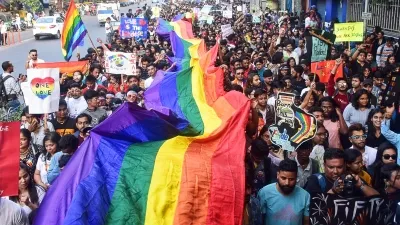
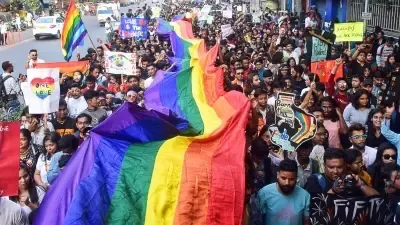
On March 26, the Joint Action Committee on Transgender and LGBTIQ+ Rights in Kerala condemned the Transgender Persons (Protection of Rights) Amendment Bill, 2026, citing its regressive nature and potential to erase identities. The community warns this could reverse years of progress toward dignity and inclusion.
Key Takeaways
Opposition to the Bill: The Bill is viewed as regressive and exclusionary.
Identity Recognition: The removal of self-identity rights is a major concern.
Community Impact: The Bill risks erasing many identities within the transgender community.
Advocacy Initiatives: A state-level convention will strategize future actions.
Historical Progress: Keralam's past policies have improved transgender welfare.
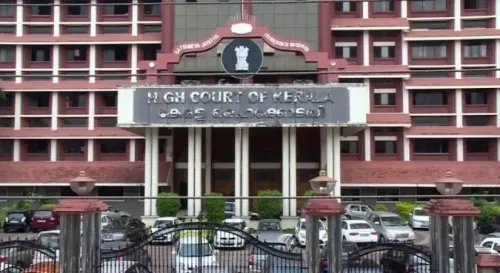
New Delhi/Thiruvananthapuram, March 26 (NationPress) The Joint Action Committee on Transgender and LGBTIQ+ Rights in Keralam, along with various national collectives and community organizations, has voiced strong opposition to the Transgender Persons (Protection of Rights) Amendment Bill, 2026, labeling it as regressive, exclusionary, and unconstitutional.
The primary concern stems from the Bill's elimination of the right to self-identified gender, shifting the decision-making power from the individual to state-sanctioned medical boards. This change introduces invasive certification processes and bureaucratic barriers.
This shift is a direct affront to the principles of dignity, autonomy, and privacy that the Supreme Court has long championed.
Furthermore, the Bill narrows the definition of a "Transgender Person" to specific socio-cultural identities, thereby excluding and legally erasing a significant portion of the community, including trans men, transmasculine individuals, non-binary and genderqueer persons, as well as trans women who do not fit within these limited categories.
This alteration has been made without thorough research, trustworthy data, or substantial consultation with key stakeholders, including the National Council for Transgender Persons.
Another point of contention is the introduction of ambiguous penal provisions that could be misused to target activists, healthcare professionals, educators, families, and support networks.
As the pioneering state to implement a Transgender Policy in 2015, Keralam has rolled out numerous welfare initiatives that have helped transgender individuals transition from social exclusion to dignity and active participation in society.
The Committee warns that imposing restrictions on identity recognition at the national level will directly jeopardize access to these welfare systems, undoing years of advancement.
The repercussions of the Bill are already resonating within the LGBTIQ community.
Reports from various states reveal escalating levels of anxiety, distress, and fear, with many individuals facing existential crises and increased risks of self-harm and suicidality.
In response, the Joint Action Committee on Transgender and LGBTIQ+ Rights in Keralam has begun a series of initiatives at both state and national levels.
They have also resolved to map out future actions by hosting a state-level convention in Keralam, uniting transgender and gender-diverse individuals, community advocates, legal professionals, mental health experts, healthcare providers, and allies to collaboratively strategize the upcoming phase of advocacy. This includes initiating a comprehensive legal consultation to explore constitutional challenges to the Amendment Bill and seek potential judicial interventions.
"This is not merely a legislative amendment; it raises the critical question of whether transgender individuals will continue to be recognized as equal citizens under the Constitution. India has made significant strides over the past decade. This Bill threatens to regress us to an era when identities were controlled, denied, and marginalized," stated the Joint Action Committee.
Point of View
It is crucial to recognize the significant concerns raised by the Joint Action Committee regarding the Amendment Bill. The potential for regressive policies impacting the rights and dignity of transgender individuals poses a serious challenge to the progress achieved in recent years. It is essential to ensure that any legislative changes are informed by comprehensive stakeholder engagement and respect for human rights.
NationPress
24 Sept 2026
Frequently Asked Questions
What is the main concern regarding the Amendment Bill?
The primary concern is the removal of the right to self-perceived gender identity, transferring authority to state-appointed medical boards.
How does this Bill impact the transgender community?
The Bill narrows the definition of 'Transgender Person,' potentially excluding many individuals and erasing their identities.
What actions are being taken in response to the Bill?
The Joint Action Committee is initiating advocacy efforts, including a state-level convention to strategize against the Bill.
What are the potential consequences of the Bill?
The Bill could undermine access to welfare systems and lead to increased anxiety and distress within the LGBTIQ community.
What was Keralam's historical approach to transgender rights?
Keralam was the first state in India to adopt a Transgender Policy in 2015, implementing various welfare initiatives for the community.