Rahul Gandhi Denounces Transgender Amendment Bill as Threat to Constitutional Rights

Synopsis
Rahul Gandhi has voiced strong opposition to the BJP's Transgender Persons Amendment Bill, labeling it a direct attack on the rights of transgender individuals. He emphasizes that the legislation undermines self-identification and disregards cultural identities, calling for greater protections for the community.
Key Takeaways
Rahul Gandhi denounces the proposed Transgender Persons Amendment Bill.
The Bill is viewed as a threat to constitutional rights of transgender individuals.
Critics argue it imposes dehumanizing examinations and lacks community consultation.
The legislation contradicts the NALSA verdict on self-identification.
Activists emphasize the need for protections rather than stigmatization.
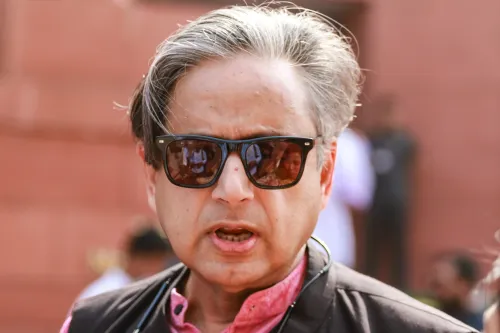
New Delhi, March 24 (NationPress) Rahul Gandhi, the Leader of Opposition in Lok Sabha, criticized the BJP government's Transgender Persons Amendment Bill, describing it as a “blatant assault” on the constitutional rights and identity of transgender individuals. He asserted that the Congress party firmly stands against this legislation.
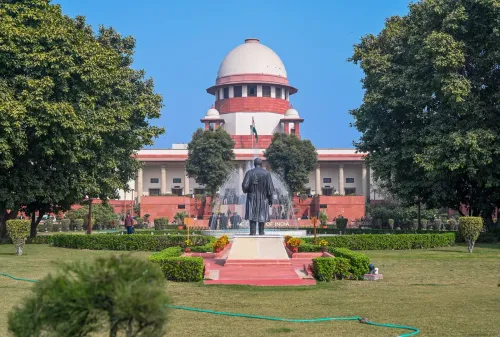
Gandhi took to the social media platform ‘X’ to express his concerns, stating that the proposed Bill undermines the fundamental rights of transgender persons. He argued that the “regressive” framework of the legislation infringes upon their right to self-identify, which is contrary to a ruling by the Supreme Court.
He further contended that the Bill disregards the rich cultural identities of transgender communities across the nation and mandates individuals to undergo “dehumanizing medical examinations” for legal recognition. Gandhi also criticized provisions that, in his view, impose criminal penalties and surveillance without necessary protections.
The Congress leader alleged that the government did not consult the transgender community prior to the introduction of the Bill and accused it of creating legislation that stigmatises rather than safeguards their rights.
Stressing the importance of constitutional principles, Gandhi highlighted that the Constitution ensures every citizen's right to life, liberty, identity, and dignity, alleging that the government is actively undermining these core tenets.
The Bill, introduced in Parliament by Union Minister for Social Justice and Empowerment, Virendra Kumar, has faced backlash for potentially narrowing the definition of transgender identity and imposing additional procedural hurdles for legal recognition.
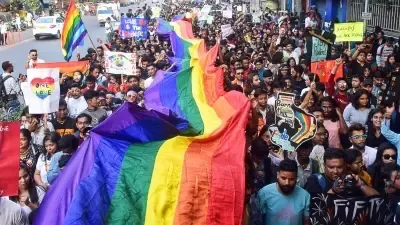
On March 21, members of Kolkata’s queer community, together with legal experts, voiced significant concerns regarding the proposed Transgender Persons (Protection of Rights) Amendment Bill, 2026, claiming it could restrict the right to self-identification for transgender individuals.
Activists and legal scholars argue that the proposed legislation represents a departure from the landmark National Legal Services Authority vs. Union of India (NALSA) verdict, where the Supreme Court recognized the right to self-identify one's gender without compulsory medical intervention.
They also questioned the inconsistency of requiring the “transgender” community to provide evidence of their gender identity, unlike the requirements for “male” and “female.”
Interviews with a range of queer rights activists and legal experts reveal a consensus that the new Bill undermines fundamental identity rights and the proclamations established by prior legal rulings.
Pawan Dhall, a noted queer writer and rights activist, commented that the new Bill seeks to limit the definition of a transgender individual and demands medical proof for legal acknowledgment of that identity.
As a co-founder of Kolkata’s annual LGBTQ Pride Walk — the oldest in South-East Asia — Dhall stated that the new Bill aims to strip members of the transgender community of their autonomy, subjecting them to screening under the guise of requiring medical proof for legal recognition.
He criticized the Bill for starkly opposing the NALSA verdict of 2014 and the Supreme Court’s clear assertion that every citizen in India, regardless of gender, has the right to determine their gender identity.
Point of View
It is imperative to recognize the complexities surrounding the Transgender Persons Amendment Bill. The discourse emphasizes the tension between legislative intent and the preservation of fundamental rights. The call for inclusivity and respect for self-identification remains critical in shaping future policies.
NationPress
21 Sept 2026
Frequently Asked Questions
What is the Transgender Persons Amendment Bill?
The Transgender Persons Amendment Bill is a proposed legislation aimed at defining and regulating the rights of transgender individuals in India.
Why is Rahul Gandhi opposing the Bill?
Rahul Gandhi opposes the Bill because he believes it undermines the constitutional rights and self-identification of transgender individuals.
What are the criticisms of the Bill?
Critics argue that the Bill imposes unnecessary medical requirements for legal recognition and fails to adequately consult the transgender community.
What was the NALSA verdict?
The NALSA verdict was a landmark Supreme Court ruling that upheld the right of individuals to self-identify their gender without mandatory medical intervention.
How might this Bill affect transgender rights in India?
If passed, this Bill could potentially restrict the rights of transgender individuals to self-identify and impose additional barriers to legal recognition.