US military strikes drug-trafficking boat in Pacific, kills two in latest operation
Synopsis
The US military has now conducted more than 50 lethal airstrikes on alleged drug-trafficking vessels since September, killing nearly 200 people. Friday's eastern Pacific strike — killing two aboard a vessel the US designates as operated by terrorist organisations — marks the latest in a rapid-fire series of operations that is reshaping how Washington wages its counter-narcotics campaign.
Key Takeaways
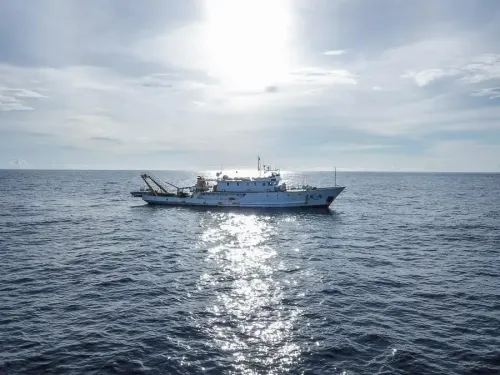
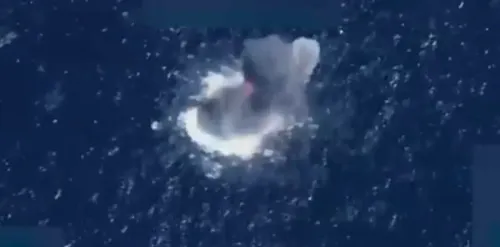
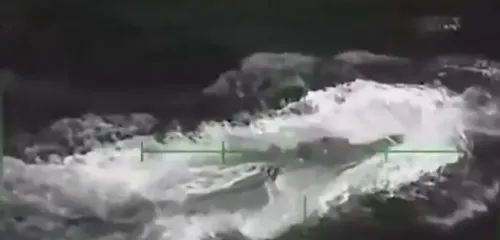
US Southern Command struck and sank an alleged drug-trafficking vessel in the eastern Pacific on Friday , killing two people and leaving one survivor.
The command described the vessel as "operated by designated terrorist organisations" transiting known narco-trafficking routes.
Since early September , the US military has conducted more than 50 known lethal airstrikes on suspected drug boats, killing nearly 200 people in total.
A separate strike on Tuesday killed three people in the eastern Pacific; a Caribbean strike the day before killed two .
On 26 April , a similar eastern Pacific strike killed three people aboard an alleged narco-trafficking vessel.
US Southern Command confirmed on Friday that US forces struck and sank an alleged drug-trafficking vessel in the eastern Pacific Ocean, killing two people and leaving one survivor. The command stated that no US military personnel were harmed in the operation.
What the Command Said
According to the US Southern Command, the vessel was "operated by designated terrorist organisations." The command stated that US intelligence had "confirmed the vessel was transiting along known narco-trafficking routes in the eastern Pacific and was engaged in narco-trafficking operations." It added: "Two male narco-terrorists were killed during this action, and one survived the strike."
Pattern of Escalating Strikes
This latest operation is part of a sharply escalating military campaign against alleged drug-trafficking vessels. Since early September, the US military has conducted more than 50 known lethal airstrikes on suspected drug-trafficking boats, claiming nearly 200 lives in total, according to reports. The pace of operations has intensified significantly in recent weeks.
Just days earlier, on Tuesday, the US Southern Command struck another alleged drug-trafficking boat in the eastern Pacific, killing three people. That operation followed a strike in the Caribbean the previous day, in which two people were killed aboard an alleged drug vessel.
Previous Strikes in April
On 26 April, the US Southern Command said it had killed three people in a strike on a vessel "engaged in narco-trafficking operations" in the eastern Pacific. The command stated on X that the boat was "operated by Designated Terrorist Organisations" and was "transiting along known narco-trafficking routes" when it was struck. No US military forces were harmed in that operation either.
Broader Context
The operations reflect a significant expansion of US military involvement in counter-narcotics efforts in the Pacific and Caribbean corridors, which are considered primary transit routes for drug shipments. The designation of trafficking vessels as being operated by "terrorist organisations" provides the legal framing for lethal force under current US military authority. Critics and human rights observers have raised concerns about due process and the lack of independent verification of the vessels' alleged activities, though no formal challenge has been publicly detailed by any government. The frequency of these strikes suggests a sustained operational posture rather than isolated interdictions, with the cumulative death toll drawing increasing scrutiny.
Point of View
Yet it has generated remarkably little public scrutiny. The designation of these vessels as being operated by 'terrorist organisations' is doing significant legal heavy lifting, effectively bypassing the oversight frameworks that would normally apply to lethal military action. What is missing from the official narrative is any independent verification of the vessels' occupants, their affiliations, or whether non-lethal interdiction was attempted. As the strike rate accelerates, the accountability gap widens.
NationPress
23 Sept 2026
Frequently Asked Questions
What happened in the latest US military strike in the Pacific?
US Southern Command confirmed that US forces struck and sank an alleged drug-trafficking vessel in the eastern Pacific on Friday, killing two people and leaving one survivor. The command said no US military personnel were harmed.
How many strikes has the US military conducted on drug boats since September?
According to reports, the US military has conducted more than 50 known lethal airstrikes on suspected drug-trafficking vessels since early September, with a combined death toll of nearly 200 people.
Why does the US military describe these vessels as operated by terrorist organisations?
The US Southern Command has designated the targeted vessels as being operated by 'designated terrorist organisations,' a classification that provides legal authority for the use of lethal military force under current US operational frameworks.
Were there other recent strikes before Friday's operation?
Yes. On Tuesday, a strike in the eastern Pacific killed three people. The day before that, a strike in the Caribbean killed two. On 26 April, another eastern Pacific strike killed three people aboard an alleged narco-trafficking vessel.
Where do these strikes take place?
The strikes have primarily targeted vessels in the eastern Pacific Ocean and the Caribbean Sea, both of which are considered major transit corridors for drug shipments heading toward the United States.