Intel Alerts on Khalistani Threats Amid Canada-India Relations
Synopsis
In light of escalating tensions, Indian intelligence warns of potential Khalistani violence following the murder of social media influencer Nancy Grewal. This incident underscores the growing frustration among Khalistani factions as India and Canada strengthen ties.
Key Takeaways
Escalating Khalistani Threats: Indian intelligence warns of potential violence.
Murder of Nancy Grewal: A significant event highlighting the aggression of Khalistani factions.
International Cooperation: India and Canada are working together to combat the Khalistani movement.
Target List: Khalistani elements reportedly have a hit list targeting individuals.
Fear and Intimidation: Khalistani factions aim to instill panic through planned mass murders.
New Delhi, March 6 (NationPress) The recent thaw in relations between Canada and India has left the Khalistani factions feeling increasingly agitated, prompting Indian intelligence agencies to issue alerts about a potential wave of violence.
The tragic murder of Nancy Grewal, a 45-year-old social media personality of Punjabi descent, serves as a stark indication of this rising aggression. In a video shared on February 22, she openly expressed her allegiance to the authentic Khalistan while condemning those who show disrespect towards the Indian flag.
Grewal, known for her vocal opposition to the Khalistani movement's violent tactics and abuse against women, was brutally stabbed in Canada on March 3.
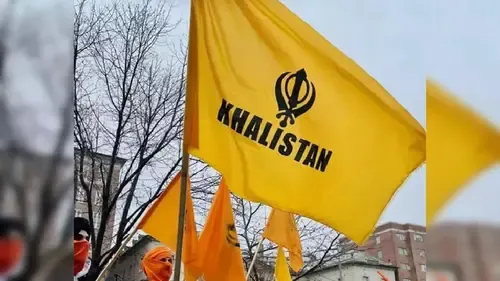
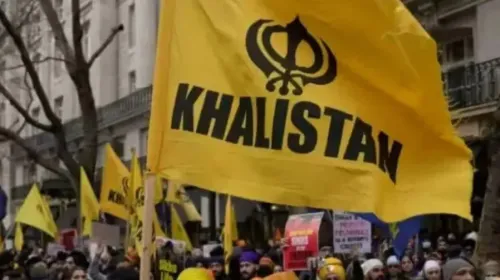
Her critiques often targeted Gurpatwant Singh Pannun, the leader of the militant group Sikhs for Justice (SFJ).
While the motive behind her murder has yet to be disclosed by Canadian authorities, Indian officials suspect it may be tied to her outspoken stance against figures like Pannun.
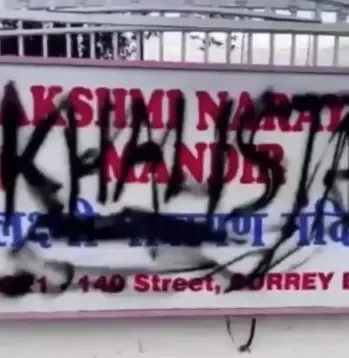
An official from the Intelligence Bureau noted that Pannun and his associates, rattled by the improved relations between India and Canada, are scheming to execute violent acts in Canada and the UK.
Pannun has been directing followers to commit acts of violence against Indians abroad, believing this could send a serious message to both the Indian and Canadian governments regarding their interference in Khalistani affairs.
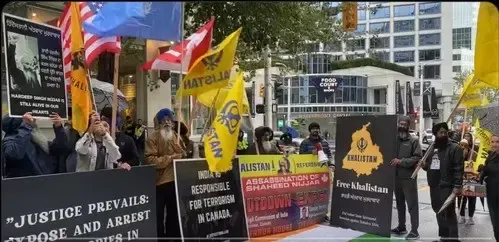
This extremist faction has reportedly compiled a hit list targeting several individuals both domestically and internationally, with a strategy to transform isolated attacks into a widespread pattern of violence.
Intelligence agencies have intercepted communications indicating that Khalistani operatives based overseas are connecting with their criminal networks in Punjab to carry out these attacks.
Another official elaborated that mass killings, particularly of influential figures, are part of the Khalistani agenda. These chilling acts aim to send a clear warning to authorities, the official emphasized.
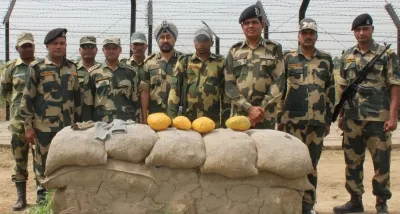
In recent months, numerous attempts have been made to reinvigorate the Khalistan movement in Punjab. Drones from Pakistan have been deployed to smuggle arms and supplies, with narcotics being used to fund the campaign.
However, due to rigorous border security, efforts to revive the movement within Punjab have encountered significant setbacks. Even among the youth, there seems to be little support for the cause, leading officials to believe that momentum for the movement is lacking.
As India and Canada align in recognizing the Khalistan issue as a significant threat, both internally and externally, the Khalistani factions are becoming increasingly desperate. The cooperation between the two nations extends to security measures, which further frustrates these elements.
According to another official, the Khalistani factions have opted to instill fear and anxiety, plotting mass murders targeting both ordinary citizens and prominent figures in Punjab and overseas. The intent is to convey a warning to both nations that any interference in their activities will lead to dire consequences.
Point of View
The resurfacing of Khalistani threats amid improving India-Canada relations highlights the need for vigilance. While the authorities work together to address this issue, a collective stand against such violence is essential for the safety of citizens on both sides.
NationPress
7 Oct 2026
Frequently Asked Questions
What prompted the recent warnings from Indian agencies?
The warnings stem from the murder of social media influencer Nancy Grewal, which is believed to be linked to Khalistani factions reacting to improved Canada-India relations.
Who is Gurpatwant Singh Pannun?
Gurpatwant Singh Pannun is the leader of Sikhs for Justice (SFJ), a group advocating for Khalistani independence, often known for their violent tactics.
What is the Khalistani movement?
The Khalistani movement seeks to create a separate homeland for Sikhs in India, often resorting to violence and intimidation to achieve its goals.
How are Indian and Canadian authorities responding to the threat?
Both countries are cooperating on security measures to address the Khalistani threat, recognizing it as a significant internal and external concern.
What are the implications of the Khalistani threats?
The implications include heightened security concerns for both Indian nationals abroad and a potential resurgence of violence linked to the Khalistani agenda.