Is the Khalistan Movement Shifting Focus to Australia Amid Crackdowns in Canada and UK?
Synopsis
The Khalistan movement is seeing an alarming rise in Australia while experiencing pushback in Canada and the UK. Intelligence reports indicate a strategic diversion of Khalistani activities, raising concerns among the Indian diaspora. Authorities urge stronger measures to address this escalating situation.
Key Takeaways
Rise of Khalistan movement in Australia Vandalism and anti-India sentiment escalating Intelligence agencies flag a strategic diversion Indian diaspora facing increased tensions Call for stronger measures by Australian government
New Delhi, Dec 27 (NationPress) Intelligence agencies have raised alarms over the significant surge of the Khalistan movement in Australia, even as a minor crackdown is occurring in Canada and the United Kingdom. Security officials report that actions in Canada and the UK are dwindling, but Australia has seen a marked increase in recent months. Khalistani groups are reallocating a substantial amount of their resources to Australia, with recent violent incidents serving as a clear warning.
Previously, referendums have taken place in Australia, but the intensity of activities has escalated. There has been a notable uptick in vandalism and anti-India graffiti, which has caused rising concern.
Social media campaigns led by organizations such as Sikhs for Justice (SFJ) are predominantly centered on events occurring in Australia. Officials have observed persistent calls on social networks to engage in vandalism targeting Indians.
There are frequent urges to shout anti-India and anti-Modi slogans, and these actions are becoming more prevalent. An official noted that this strategy to shift focus to Australia appears to be deliberate.
India has communicated with both Canada and the UK regarding the issue of Khalistan-related activities. Both nations have recognized the concern and committed to collaborating closely with New Delhi.
In recent months, some actions against Khalistani factions have been evident in both countries, leading to a redirection of attention to Australia. This allows the movement to persist without hindrance while alleviating pressure in the UK and Canada, according to an official.
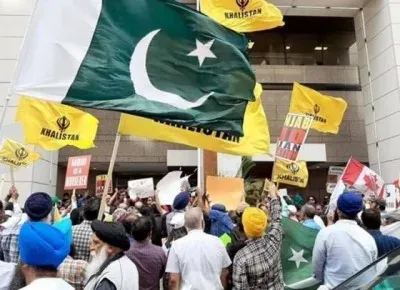
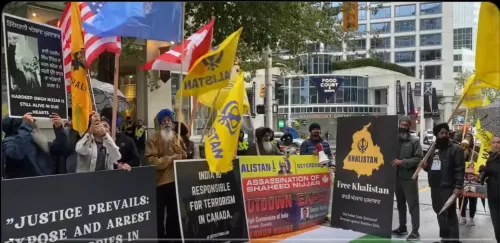
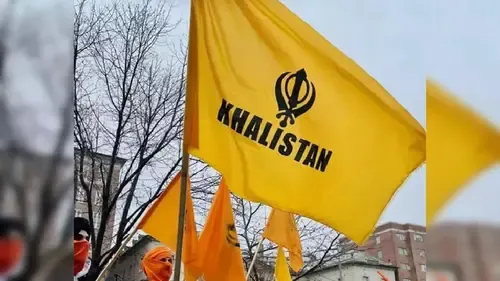
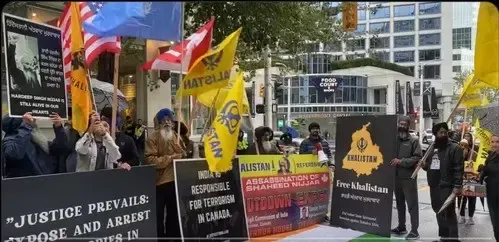
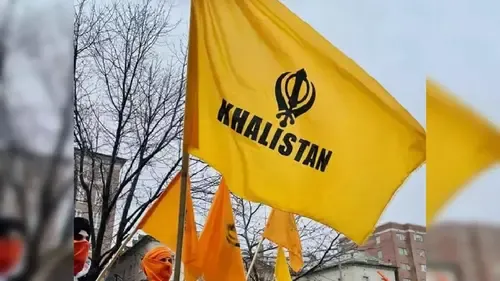
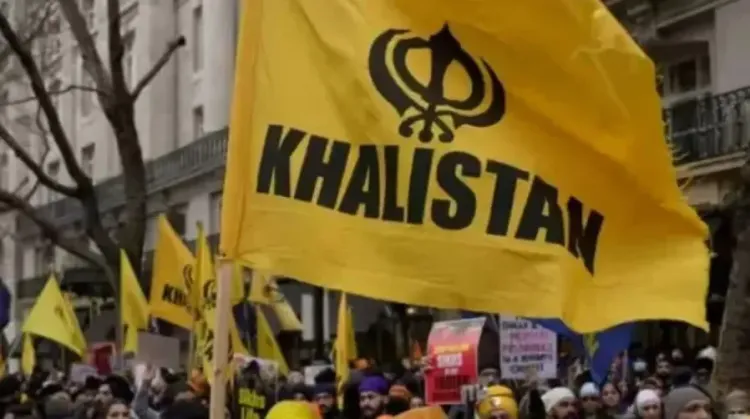
Throughout July, August, and December, Khalistan-related activities have been openly displayed in Australia. Participants have waved Khalistan flags and chanted anti-India slogans. Vandalism incidents have incited anger within the Indian diaspora.
During these occurrences, Khalistani supporters have trampled on the Indian flag and shouted anti-India slogans. In December, during a protest, the Indian flag was torn, with videos circulating widely. Such footage is frequently shared by the SFJ to incite unrest. Unlike in Canada and the UK, Khalistani activists are now facing resistance from the Indian community.
Slogans of Khalistan Zindabad have been countered by chants of Bharat Mata Ki Jai. Officials indicate that these actions aim to provoke the Indian diaspora.
During an Independence Day protest in August, Khalistani activists sought to incite Indians but were met with resistance. Fortunately, quick intervention by Australian police prevented a potential street clash, averting a scenario that the pro-Khalistan groups might have scripted.
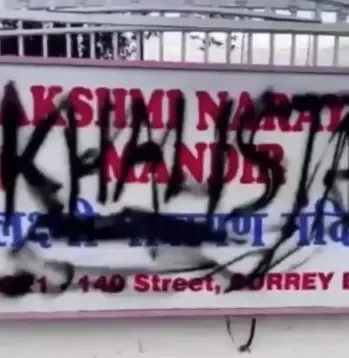
In July, these factions vandalized a Gurdwara in Melbourne, covering it with anti-India graffiti and comparing Indian leadership to Hitler.
Officials point out that Australia is a target due to the significant Indian population, which numbers around 800,000. This community is now caught in the crossfire, with locals often blaming all Indians for these actions.
In Australia, much like the UK and Canada, Khalistani activists have exploited the strong emphasis on free speech. They have managed to conduct protests and promote hate slogans under the pretext of free expression.
Officials assert that the Australian government needs to take a firmer stance against these elements. The situation could spiral out of control swiftly, making resolution far more challenging.
Australian Foreign Minister Penny Wong stated, 'We uphold free expression but draw firm lines at violence or incitement, and continue engaging with Indian counterparts on these matters.'
Point of View
The rise of Khalistani activities in Australia underscores the need for proactive measures. While the government collaborates with international partners to address such challenges, it is crucial to foster unity within the Indian community to counteract these divisive actions effectively.
NationPress
30 Sept 2026
Frequently Asked Questions
What is the Khalistan movement?
The Khalistan movement seeks to create a separate Sikh state known as Khalistan in India. It has gained prominence among certain groups, particularly in the diaspora.
Why has attention shifted to Australia?
Recent intelligence suggests that Khalistani groups are reallocating resources to Australia as activities in Canada and the UK decline.
What actions are being taken against Khalistani elements?
Indian authorities have reached out to Canada and the UK for collaboration, while urging Australia to implement stricter measures against hate speech and vandalism.
How has the Indian diaspora reacted?
The Indian community in Australia has begun to counter pro-Khalistan activities with their own expressions of national pride, including chants and protests.
What role does free speech play in this situation?
Khalistani activists claim their actions fall under free speech, but officials argue that incitement to violence crosses a line that must be enforced.