Pro-Khalistani Groups Attempting to Undermine Carney's Diplomatic Mission to India
Synopsis
As Prime Minister Mark Carney embarks on a crucial diplomatic mission to India, Pro-Khalistani extremism threatens to derail efforts aimed at strengthening bilateral ties. Discover the implications of these disruptive actions and their potential impact on Canada's economic future.
Key Takeaways
Carney's Diplomatic Mission: Aims to enhance Canada-India relations and trade.
Pro-Khalistani Actions: Extremist protests threaten diplomatic efforts.
Economic Goals: Target to achieve $51 billion in trade by 2030.
International Cooperation: Essential for overcoming radical influences.
Long-term Trust: Requires addressing internal extremism to foster relations.
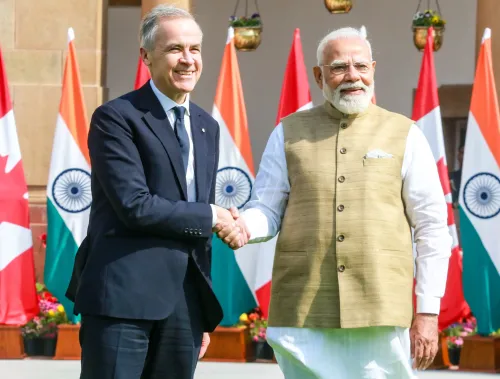
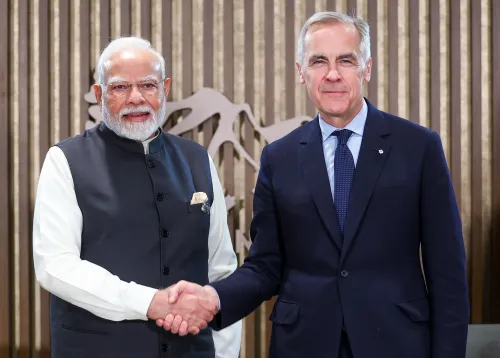
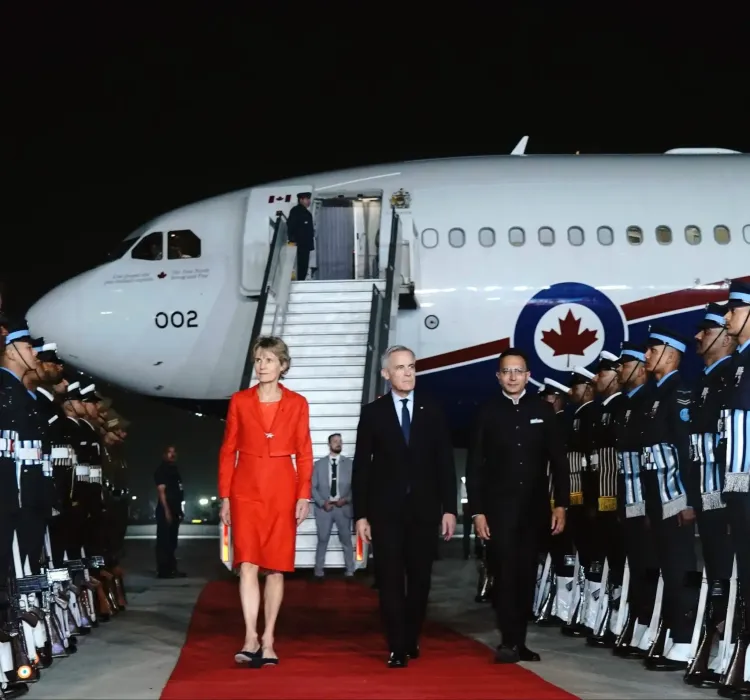
Ottawa, March 2 (NationPress) During Canadian Prime Minister Mark Carney's significant diplomatic excursion to India, a minor yet disruptive Pro-Khalistan extremist faction based in North America is reportedly attempting to undermine efforts aimed at restoring bilateral relations, according to a recent report.
"The stakes are exceedingly high. Carney's journey is intended to unlock new opportunities for Canadian workers and businesses across various sectors including trade, energy, technology, and defense. Canada's goal is to more than double two-way trade with India to approximately $51 billion annually by 2030—a central element of Carney's approach to reduce the country’s over-dependence on the United States," the Khalsa Vox report elaborated.
The report further emphasizes that the agenda is of immense significance, with an emphasis on forming cooperation agreements in areas like nuclear power, oil, critical minerals, AI, quantum computing, and education.
"This initiative is not merely diplomatic in nature; it serves as a vital economic bridge. However, as Carney strives to mend relations that have been tainted by years of friction during the Trudeau administration, extremist groups are actively working to thwart this endeavor," it continued.
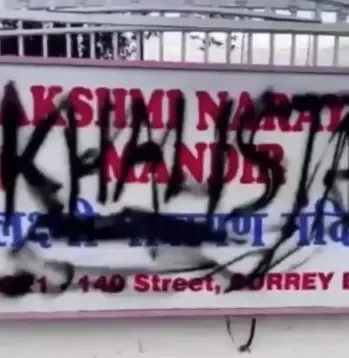
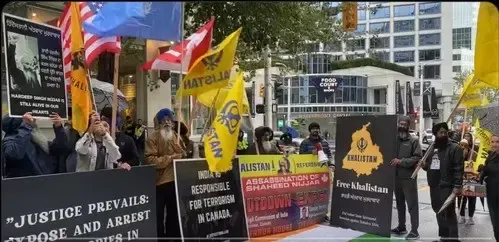
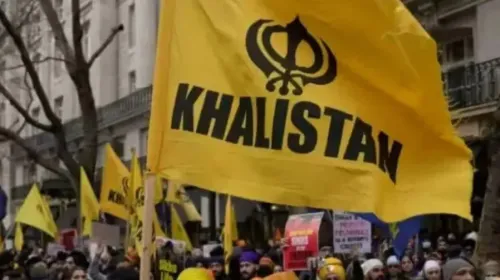
The report notes a surge in targeted protests in Canada in recent weeks, with supporters of Khalistani terrorist Hardeep Singh Nijjar engaging in provocative actions—including the tearing and burning of symbols associated with India and openly threatening Canadian Prime Minister Mark Carney—seemingly aimed at jeopardizing bilateral cooperation.
Such actions cannot be deemed peaceful protests; they constitute intentional interference in sovereign diplomacy.
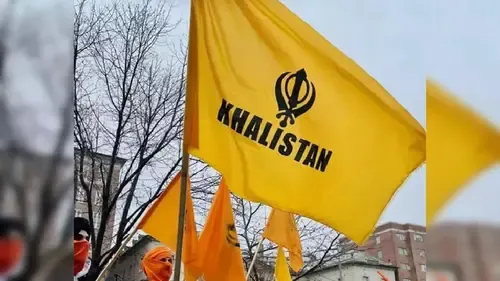
The report also pointed out how a small pro-Khalistan group attempted to derail British Columbia Premier David Eby's trade mission to India in January, brandishing Khalistan flags and demanding his resignation, alleging that he prioritized trade over justice.
The same tactics are now being employed against Carney’s crucial visit, as groups like Sikhs for Justice, which has been flagged by the Canadian Security Intelligence Service (CSIS) for involvement in politically motivated violent extremism, portray every act of Canadian economic self-interest as a betrayal while failing to provide any constructive alternatives.
"The consequences of tolerating such behavior are substantial and quantifiable. Indian officials have repeatedly characterized Khalistani extremism as a 'Canadian problem' that Ottawa must address internally to achieve real reconciliation, stressing that progress in trade and diplomacy relies on both parties demonstrating commitment free from radical disruptions," the report stated.
It added that Ottawa cannot hope to gain New Delhi's trust as a long-term ally while simultaneously permitting fringe elements to desecrate Indian symbols and intimidate diplomats on Canadian territory.
The report concluded, "The message to Canadian authorities should be unequivocal: safeguard this diplomatic opportunity. Free speech ends when deliberate economic sabotage and the intimidation of foreign diplomats begin. A handful of extremists must not be allowed to hold Canada's prosperity hostage. The nation’s future is being negotiated in New Delhi—and it deserves to thrive."
Point of View
It is essential to address the challenges posed by extremist factions while fostering diplomatic relations with India. The focus must be on building a constructive dialogue that advances mutual interests, ensuring that Canada's commitment to international cooperation remains steadfast and undeterred by radical opposition.
NationPress
27 Sept 2026
Frequently Asked Questions
What is the main purpose of Prime Minister Carney's visit to India?
The primary goal of Prime Minister Carney's visit is to strengthen bilateral ties and increase trade between Canada and India, aiming for a target of $51 billion annually by 2030.
Who are the Pro-Khalistani groups?
Pro-Khalistani groups are factions that advocate for the establishment of a separate Sikh state called Khalistan, often resorting to extremist measures to promote their agenda.
What actions have these groups taken during Carney's visit?
These groups have engaged in targeted protests, including the burning of Indian symbols and threats against Canadian officials, aimed at undermining diplomatic efforts.
How does the Indian government view Khalistani extremism?
Indian officials describe Khalistani extremism as a 'Canadian problem' that needs to be addressed by Ottawa to achieve genuine reconciliation and foster trade relations.
What is the significance of Carney's trip to Canada?
Carney's trip is considered critical for unlocking new economic opportunities in various sectors, thereby reducing Canada's reliance on the United States.