Khalra case: Punjab AAP denies role in convicts' premature release
Synopsis
The Khalra case is back at the centre of Punjab politics — and this time, a film pulled from an OTT platform within hours may have done more to revive it than years of legal proceedings. AAP's denial of any role in the convicts' premature release, combined with Paramjit Kaur's public account of Akali Dal's alleged broken promises, has put three parties simultaneously on the defensive.
Key Takeaways
AAP Punjab denied on 9 July that the Bhagwant Mann government signed any file on premature release of convicts in the 1995 Khalra abduction and murder case .
Party spokesperson Baltej Pannu said the premature release proposal was first moved during the Congress government, not the current administration.
Since the case was investigated by the CBI , the premature release process falls under the Union Ministry of Home Affairs (MHA) , not the Punjab government.
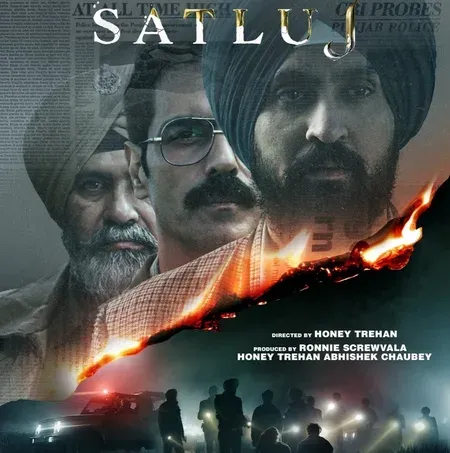
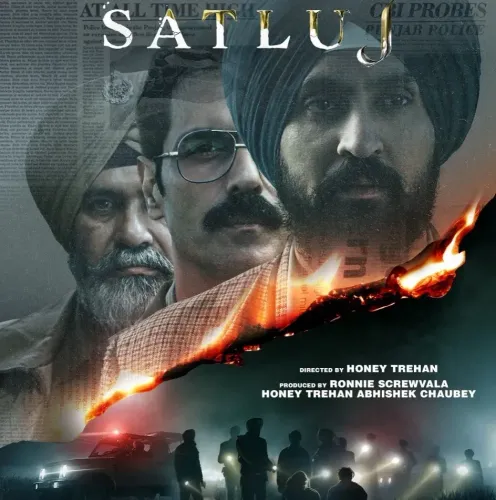
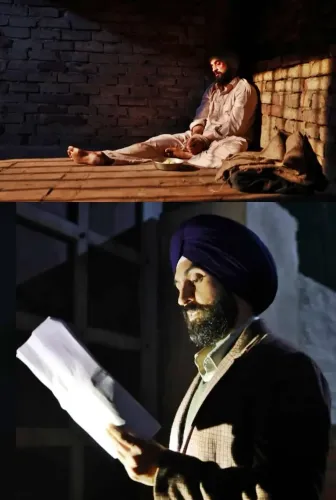
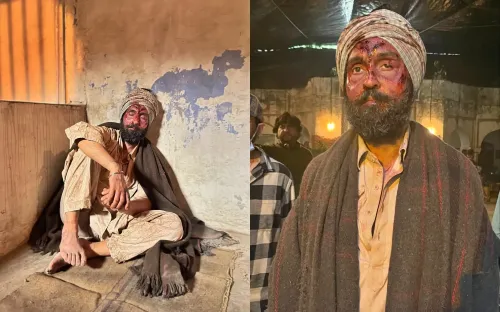
Diljit Dosanjh 's film 'Satluj' was removed from an OTT platform within hours of release; AAP alleged the BJP -led Centre was responsible.
Paramjit Kaur , widow of Jaswant Singh Khalra, reportedly stated that the Akali Dal failed to deliver justice despite promises made in 1996 .
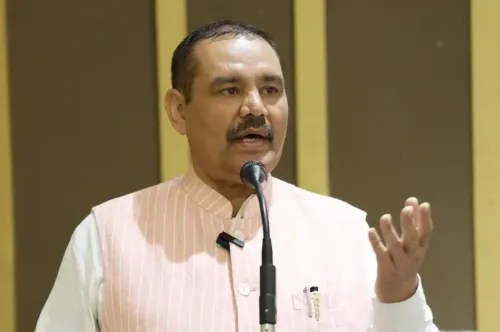
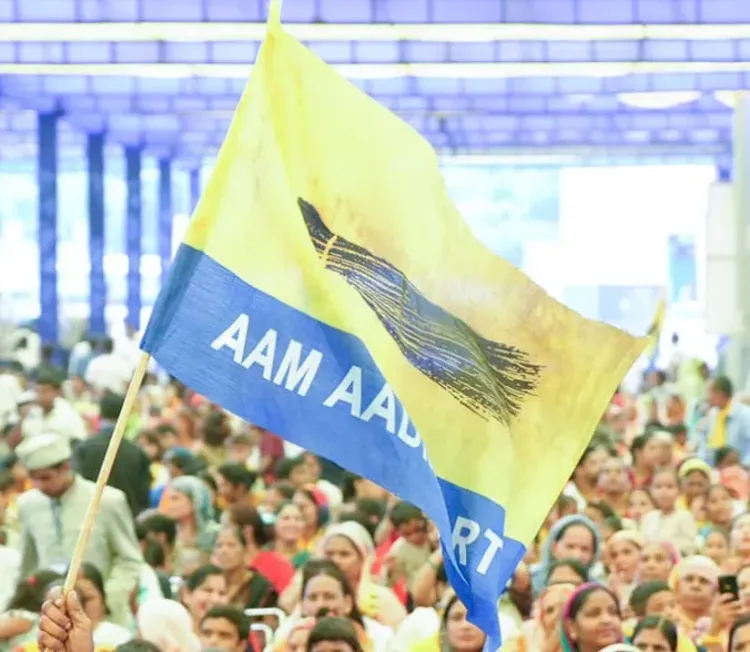
The Aam Aadmi Party (AAP) in Punjab on Thursday, 9 July categorically dismissed allegations that the Bhagwant Mann government had signed any file authorising the premature release of convicts in the 1995 abduction and murder of human rights activist Jaswant Singh Khalra. The denial came amid a broader political storm triggered by the release — and subsequent removal — of Diljit Dosanjh's film 'Satluj', which revisits the Khalra case.
AAP's Chronology of Events
Presenting a detailed timeline at a press conference in Chandigarh, AAP's media in-charge Baltej Pannu stated that the proposal for premature release of the convicts was first moved during the previous Congress government in Punjab — not under the current administration. He asserted that the Bhagwant Mann government has not signed any such file.
Pannu further clarified that since the Khalra case was investigated by the Central Bureau of Investigation (CBI), the entire process of premature release falls under the jurisdiction of the Union Ministry of Home Affairs (MHA). According to him, no proposal is currently pending with either the Punjab government or the Governor's office.
The 'Satluj' Film Controversy
The political row intensified after the film 'Satluj' was released on an OTT platform and pulled down within hours. Pannu alleged that the BJP-led Central government was responsible for having the film removed from the platform within 48 hours of its release. He noted that the film's removal had an unintended effect: it spread rapidly through social media groups and messaging platforms, drawing wider attention to the Khalra case.
'A few days ago, the film Sutlej was released. Within a few hours, it was removed from the OTT platform. Whatever has happened since then has been very interesting to watch,' Pannu said. He added that along with the film, a statement by Paramjit Kaur, the widow of Jaswant Singh Khalra, also began circulating widely across social media and news channels.
Paramjit Kaur's Statement and Akali Dal Under Scrutiny
Pannu cited Paramjit Kaur's account as a significant development. According to him, she stated that in 1996, the Khalra family backed the Shiromani Akali Dal (SAD) led by Parkash Singh Badal, trusting that an Akali government would sincerely pursue justice and constitute a 'Truth Commission' to hold guilty officers accountable. However, after the SAD formed the government in 1997, several officers allegedly responsible were reportedly rewarded with promotions rather than prosecuted.
Pannu argued that three political parties now stand exposed by the chain of events: the Congress, under whose tenure the incidents occurred; the BJP-led Centre, which allegedly had the film removed; and the Akali Dal, which, despite Khalra's own association with its Human Rights Wing, extended no meaningful support to his family after coming to power.
Background: The Khalra Case
Jaswant Singh Khalra was a prominent human rights activist who documented cases of enforced disappearances and alleged extrajudicial killings in Punjab during the militancy era. He was abducted in 1995 and later murdered. The case, investigated by the CBI, resulted in convictions of Punjab Police personnel and remains one of the most significant human rights cases in post-independence India. The question of premature release of the convicts has periodically resurfaced as a political flashpoint in Punjab.
What Happens Next
With the film's circulation on social media keeping the Khalra case in public discourse, political pressure on all three major parties in Punjab is likely to intensify. The AAP government's clarification that the MHA holds jurisdiction over any premature release decision effectively shifts accountability to the Centre, setting the stage for a fresh round of political confrontation ahead of future electoral cycles in the state.
Point of View
Not the Punjab government, controls any premature release — is legally defensible given the CBI's role, but it is also a convenient deflection that avoids engaging with the broader question of political will. What is striking is that the Khalra case, more than three decades old, still has the power to destabilise all three major political formations in Punjab simultaneously. The film's rapid removal from an OTT platform arguably amplified rather than suppressed its reach — a pattern that should give the Centre pause. Paramjit Kaur's testimony, now circulating on social media, is the kind of first-person account that no party press conference can easily neutralise, and it may prove more damaging to the Akali Dal's legacy than any formal inquiry.
NationPress
9 Jul 2026
Frequently Asked Questions
What is the Khalra case about?
The Khalra case involves the 1995 abduction and murder of human rights activist Jaswant Singh Khalra, who had documented enforced disappearances and alleged extrajudicial killings by Punjab Police during the militancy era. The case was investigated by the CBI and resulted in convictions of Punjab Police personnel, making it one of India's most significant human rights cases.
Why is the premature release of convicts in the Khalra case controversial?
The convicts in the Khalra case are Punjab Police personnel found guilty of abduction and murder. Any move to release them early is politically sensitive given the gravity of the crime and the unresolved questions around accountability for enforced disappearances in Punjab. The issue has resurfaced amid the controversy over the film 'Satluj'.
What did AAP's Baltej Pannu say about the premature release proposal?
Pannu stated that the proposal for premature release was first sent during the previous Congress government in Punjab, and the Bhagwant Mann government has not signed any such file. He also clarified that since the case was investigated by the CBI, the process falls under the Union Ministry of Home Affairs, not the state government.
Why was the film 'Satluj' removed from the OTT platform?
The film 'Satluj', directed around the Khalra case and featuring Diljit Dosanjh, was pulled from an OTT platform within hours of its release. AAP alleged that the BJP-led Central government was responsible for its removal. The film's removal reportedly led to wider circulation through social media platforms.
What did Paramjit Kaur, Jaswant Singh Khalra's widow, say about the Akali Dal?
According to AAP's Baltej Pannu, Paramjit Kaur stated that the Khalra family supported the Shiromani Akali Dal in 1996 believing it would pursue justice, including constituting a Truth Commission. However, after the SAD formed the government in 1997, officers allegedly responsible were reportedly given promotions rather than prosecuted.