Khamenei's Death: Will It Spark Regime Change or Economic Chaos?
Synopsis
The assassination of Iran's Supreme Leader could lead to uncertainty rather than the anticipated regime change, raising concerns about its potential impact on the global economy.
Key Takeaways
Khamenei's assassination may not lead to immediate regime change.
The global economy faces potential turmoil, particularly affecting Middle Eastern markets .
Diplomatic negotiations were underway prior to the attack, complicating future relations.
The operation showcases significant military success for the US and Israel.
Khamenei's leadership was marked by a blend of pragmatism and ideology.
New Delhi, March 1 (NationPress) The killing of Iran's Supreme Leader, Ayatollah Ali Khamenei, might not guarantee the regime change that both the United States and Israel have anticipated, according to diplomatic analysts. They warn that this significant event could lead to extensive repercussions for the global economy.
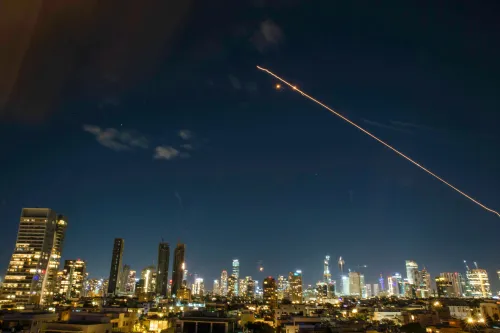
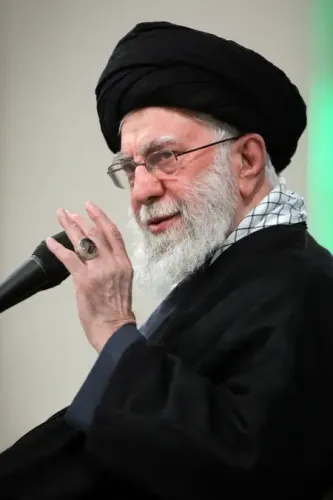
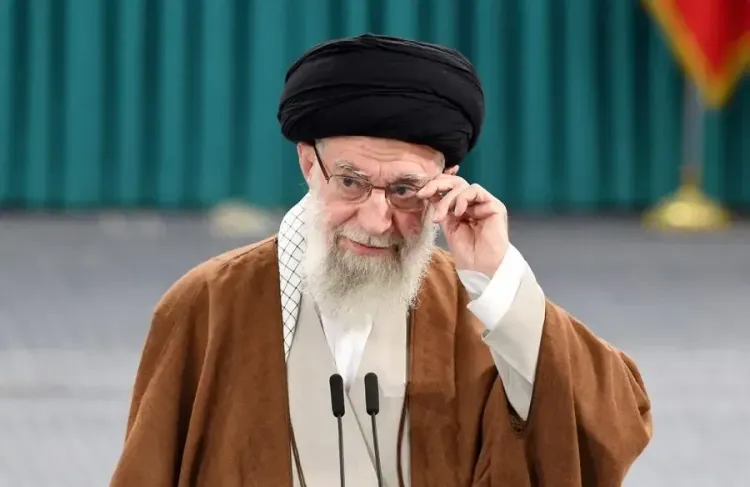
Khamenei's death occurred due to an attack orchestrated by the US and Israel, marking a pivotal moment in the 46-year-long Shia-theocratic governance, as Tehran's response ignited turmoil across a broad region of the Middle East.
In an interview with IANS, former High Commissioner of India to Bangladesh, Veena Sikri, characterized the situation as dire and economically destabilizing. "This is a very serious situation and a major jolt to the world economy. We have seen that even the Dubai airport has been shut, and the economy of Dubai has been affected. The Strait of Hormuz is virtually closed. This is a significant upheaval for the global economy," she stated.
Sikri pointed out that this escalation coincided with ongoing diplomatic negotiations. "This has happened at a time when Oman had brokered talks between the United States and Iran, which were being held in Geneva. Initial feedback suggested that these talks were progressing well, with Iran making several concessions. However, it now seems that these discussions were merely a facade, as Israel was intent on attacking Iran. I believe Israel initiated the strike yesterday, with the US following suit," she elaborated.
Former diplomat K.P. Fabian also spoke to IANS, labeling the operation a notable military achievement for Washington and Tel Aviv while questioning its potential to instigate political changes within Iran. "This is an important military victory for Israel and the United States, but it does not necessarily bring them closer to what they term regime change, as there is considerable ambiguity around that phrase," he noted.
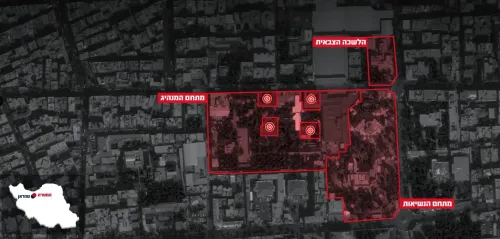
Fabian further proposed that the operation was likely based on intricate intelligence. "Israel had intelligence, probably both human and electronic, allowing them to destroy the residence where the Ayatollah, his daughter, son-in-law, and granddaughter were present," he added.
Reflecting on Khamenei's lengthy rule, former diplomat Mahesh Kumar Sachdev told IANS that the Iranian leader maintained a pragmatic yet ideologically steadfast approach throughout his years in power. "For 36 years, Khamenei adhered to a strategy of realism and theocratic dominance, balancing various factions," he said. "He endeavored to unify the country and its Islamic revolution while diversifying its options through negotiations, promoting proxies, and skillfully navigating the dynamics between clergy, political elites, economic interests, and the judiciary. Although some observers labeled him ruthless and unprincipled, he was quite effective in his endeavors," Sachdev concluded.
Point of View
The aftermath may lead to further instability and economic disruption, underscoring the delicate balance of power in the region.
NationPress
20 Sept 2026
Frequently Asked Questions
What was the impact of Khamenei's assassination on global economies?
The assassination has led to immediate economic disruptions, including the closure of Dubai's airport and heightened tensions in the Strait of Hormuz, raising concerns about broader economic stability.
Could Khamenei's death lead to regime change in Iran?
Experts suggest that while it represents a military success for the US and Israel, it does not necessarily equate to an imminent regime change in Iran.
What does this mean for US-Iran relations?
This event complicates ongoing diplomatic efforts and raises questions about future negotiations, particularly after recent talks in Geneva.
How did Khamenei's leadership style impact Iran?
Khamenei balanced realism and ideological supremacy, managing various political and clerical factions during his lengthy tenure.
What role did intelligence play in Khamenei's assassination?
Reports indicate that the operation was based on comprehensive intelligence, possibly involving both human and electronic sources.