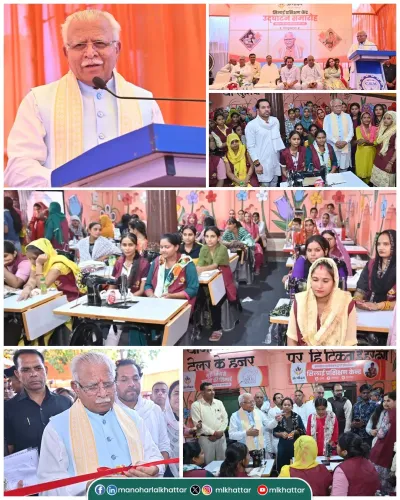
Khattar inaugurates tailoring training centre for rural women in Panipat
Synopsis
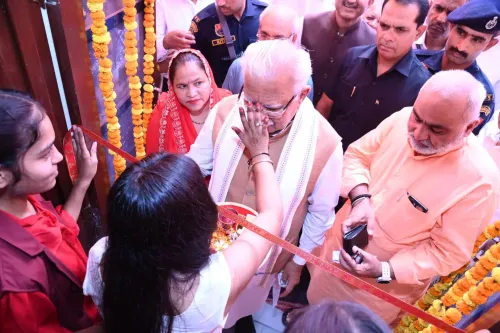
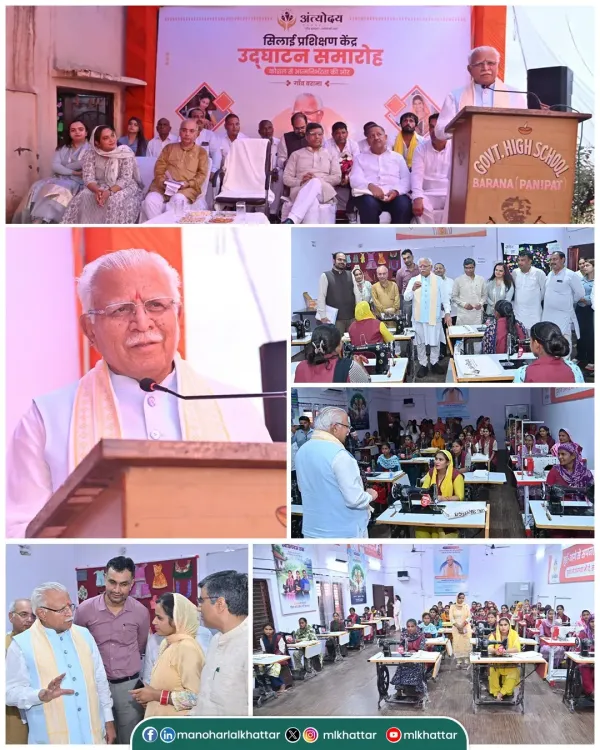
Union Power Minister Manohar Lal Khattar attended the inauguration of an Antyodaya Foundation sewing and tailoring training centre in village Barana, Panipat Rural, Haryana, on 25 July 2026, underscoring the push to equip rural women with vocational skills for economic self-reliance.
Key Takeaways
Union Power Minister Manohar Lal Khattar attended the inauguration of a tailoring training centre in village Barana , Panipat Rural constituency , on 25 July 2026 .
The centre is operated by Antyodaya Foundation and is designed to provide sewing and vocational skills to rural women.
Khattar linked the initiative to the national Atmanirbhar Bharat goal, emphasising women's economic agency as central to self-reliance.
The programme aligns with the Skill India Mission (2015) and Deen Dayal Antyodaya Yojana (2014) , both of which support grassroots livelihood training for women.
Possible future integration with the National Skill Development Corporation's district plans could expand certification and funding for such centres.
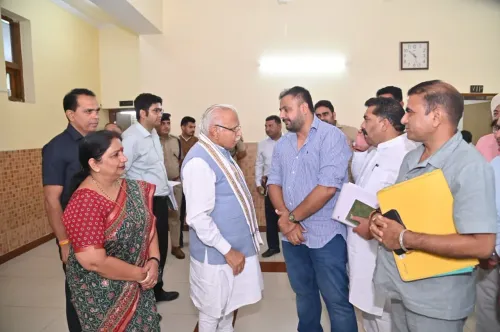
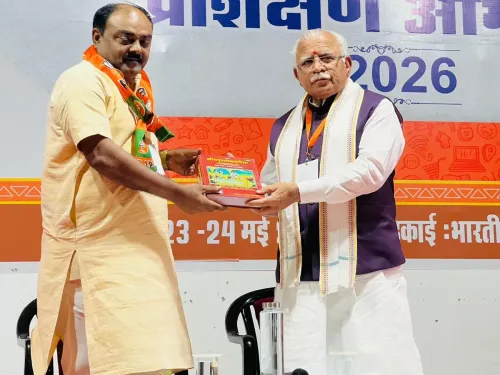
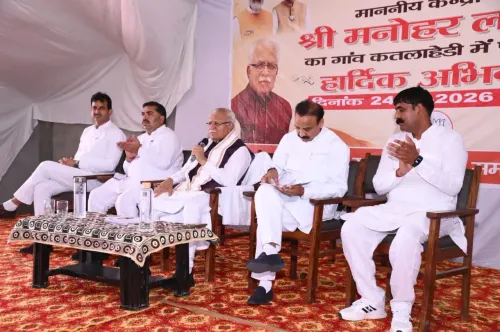
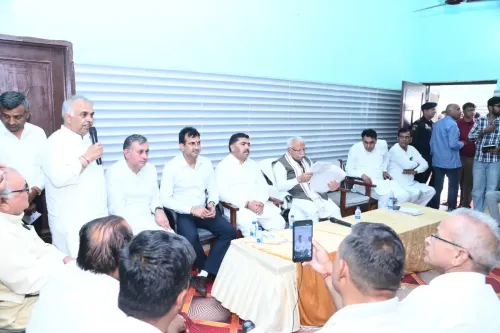
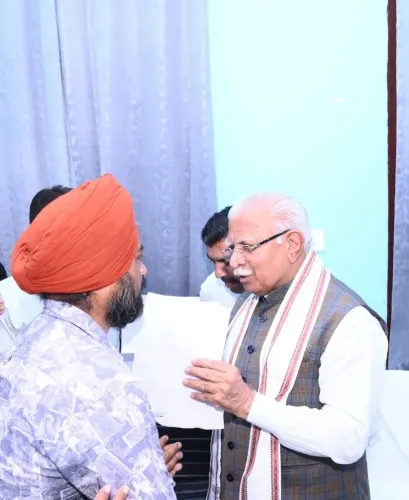
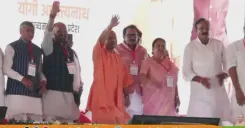
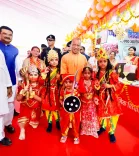
Union Power Minister Manohar Lal Khattar attended the inauguration of a sewing and tailoring training centre run by Antyodaya Foundation in village Barana, Panipat Rural assembly constituency, Haryana, on Saturday, 25 July 2026. The centre is aimed at equipping rural women with vocational skills to earn a dignified livelihood and contribute actively to their families' progress.
Context
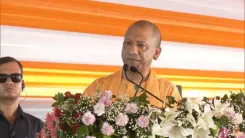
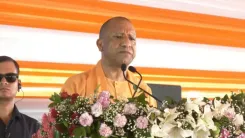
Khattar, sharing his participation on X, described the initiative as a step toward making women 'atmanirbhar evam arthik roop se sashakt' ('self-reliant and economically empowered'). He noted that when women receive skill, opportunity, and confidence, they bring positive change not only to their own lives but also energise the broader goal of an Atmanirbhar Bharat (self-reliant India). The minister extended his congratulations to Antyodaya Foundation for what he called an 'inspiring campaign of women's empowerment and public service.'
The event was held at the grassroots level in Barana, a village within the Panipat Rural constituency — a region where agricultural dependence remains high and non-farm livelihood options for women are limited. The inauguration reflects a wider effort to take skill infrastructure directly into rural pockets rather than concentrating it in district or block headquarters.
Policy Backdrop
The Antyodaya Foundation's tailoring centre fits within a well-established policy lineage. The Skill India Mission, launched in 2015, expanded vocational training with dedicated components for women, while the Deen Dayal Antyodaya Yojana, introduced in 2014, specifically targeted the poorest households with sustainable livelihood options including tailoring and handicrafts.
Sewing-based training has historically been one of the most accessible entry points for rural women into the formal skill ecosystem, requiring relatively low capital investment while offering a direct path to self-employment or micro-enterprise. Central schemes have encouraged local non-governmental organisations to serve as delivery partners at the village level, precisely the model Antyodaya Foundation appears to follow in Panipat.
Stakeholders and Impact
The primary beneficiaries are rural women of Panipat Rural constituency, who gain access to structured vocational training without having to travel to urban centres. For households in agrarian belts, a second income from tailoring work — whether home-based or through small units — can meaningfully reduce economic vulnerability, especially during off-seasons.
Khattar's presence as a Union Minister and former Chief Minister of Haryana lends political visibility to the initiative, potentially signalling state-level attention to women's livelihood programmes in the region. The Antyodaya Foundation, as the operating organisation, stands to benefit from greater public and institutional recognition that could support the scaling of similar centres in other villages.
What's Next
Centres such as the one inaugurated in Barana could potentially be integrated with the National Skill Development Corporation's district-level action plans, unlocking additional funding and certification pathways for trainees. Haryana's state budget allocations for women's livelihood schemes will be a key indicator of how much institutional backing such grassroots efforts receive going forward.
As the national self-reliance agenda continues to emphasise women's economic participation as a pillar of inclusive growth, the replication of low-cost, community-embedded skill centres across Haryana's rural constituencies is likely to remain a visible strand of both policy and political outreach.
Point of View
A state where he retains significant organisational influence as a former Chief Minister. By associating himself with women's economic empowerment at the grassroots, he reinforces the BJP's narrative of welfare delivery reaching the last mile — a messaging priority ahead of any state or local electoral cycle. The choice of Panipat Rural, an agrarian constituency with limited non-farm employment, is also strategically legible: visible ministerial presence in such pockets signals continued attention beyond urban centres. More broadly, the event reflects the long-running policy consensus that NGO-delivered, community-embedded skill training is among the most cost-effective levers for raising female labour-force participation in rural India.
NationPress
25 Jul 2026
Frequently Asked Questions
What did Manohar Lal Khattar inaugurate in Panipat on 25 July 2026?
Khattar inaugurated a sewing and tailoring training centre run by Antyodaya Foundation in village Barana, Panipat Rural assembly constituency, Haryana, aimed at providing vocational skills to rural women.
What is Antyodaya Foundation?
Antyodaya Foundation is an organisation that operates skill training centres focused on rural women's economic empowerment, including tailoring and sewing programmes at the village level.
How does this tailoring centre relate to Skill India or central government schemes?
The centre aligns with the Skill India Mission launched in 2015 and the Deen Dayal Antyodaya Yojana of 2014, both of which encourage grassroots vocational training for women, often delivered through local NGO partners.
What is Atmanirbhar Bharat and how does it connect to women's skill training?
Atmanirbhar Bharat is a national self-reliance initiative that includes skill development and local livelihood generation as key pillars; women's economic participation through vocational training is seen as central to achieving its targets.
Which constituency is village Barana located in?
Village Barana is located in the Panipat Rural assembly constituency in Haryana.