CM Yogi Hails Sarnath's UNESCO World Heritage Listing
Synopsis
Uttar Pradesh Chief Minister Yogi Adityanath welcomed Sarnath's inscription on the UNESCO World Heritage List on 25 July 2026, crediting PM Modi's leadership and inviting the world to experience the ancient Buddhist site near Varanasi.
Key Takeaways
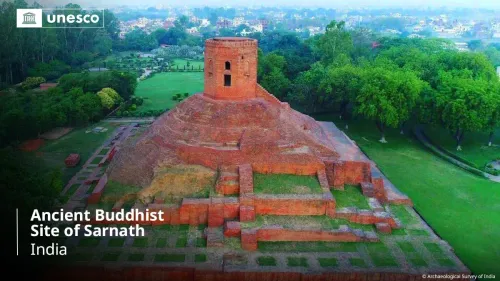
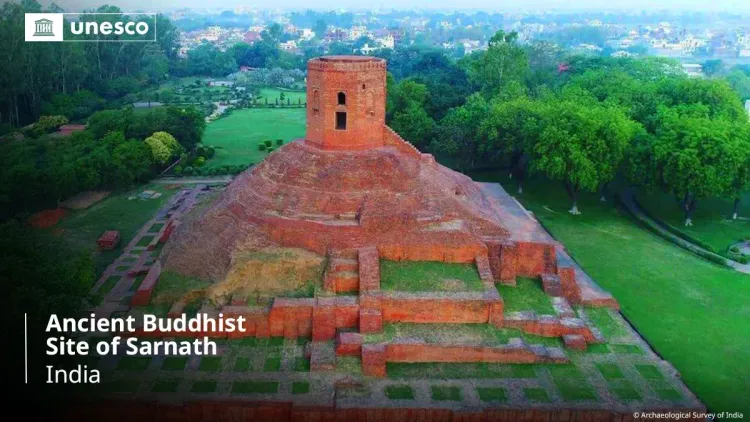
Sarnath , the site of Buddha's first sermon near Varanasi , has been inscribed on the UNESCO World Heritage List .
CM Yogi Adityanath hailed the listing as a proud moment for all Indians and a reflection of Uttar Pradesh's spiritual legacy.
The Chief Minister credited the achievement to the leadership of Prime Minister Narendra Modi .
Uttar Pradesh now hosts multiple UNESCO World Heritage Sites, including the Taj Mahal and the Agra Fort .
The listing is expected to boost Buddhist pilgrimage tourism and bring conservation funding to the Sarnath-Varanasi region.
India has pursued an active strategy of UNESCO nominations to strengthen its cultural soft power and heritage tourism profile.
Uttar Pradesh Chief Minister Yogi Adityanath on Saturday, 25 July 2026, celebrated the inscription of Sarnath on the UNESCO World Heritage List, calling it a proud moment for every Indian and a testament to the state's spiritual and cultural legacy.
Context
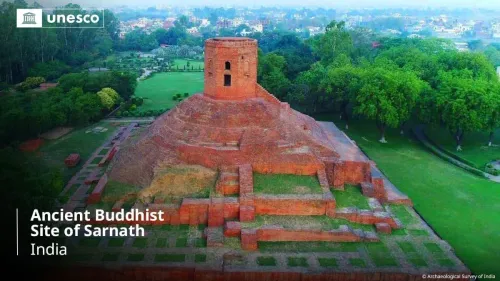
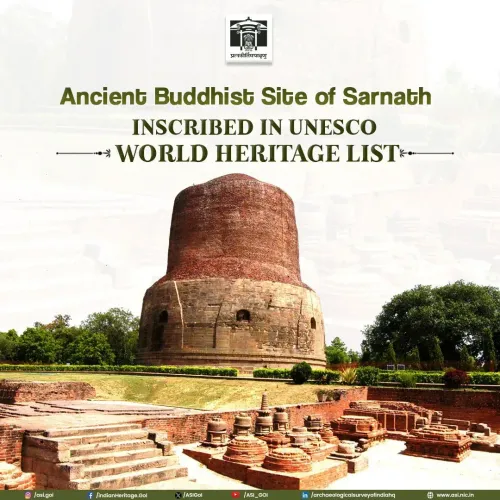
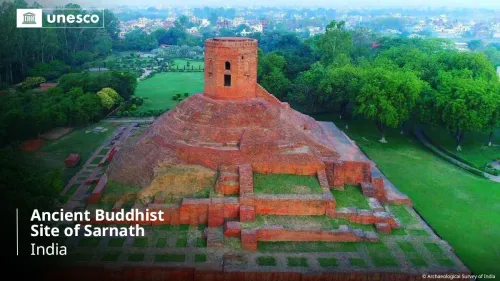
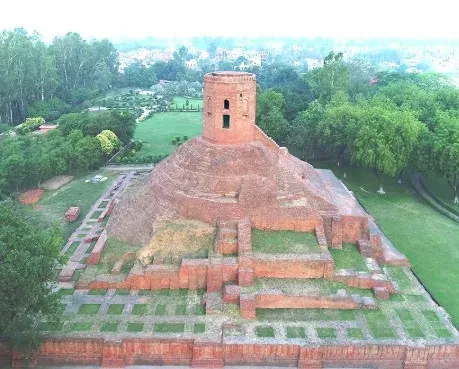
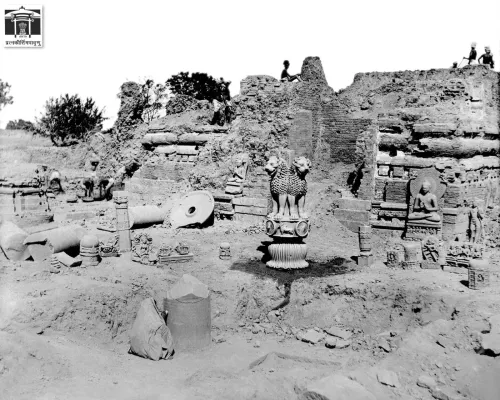
Sarnath, located on the outskirts of Varanasi in Uttar Pradesh, is one of Buddhism's most sacred sites — the place where Gautama Buddha delivered his first sermon after attaining enlightenment, an event known as the Dhammacakkappavattana Sutta, or the 'turning of the wheel of Dharma.' The site houses the iconic Dhamek Stupa, the ruins of ancient monasteries, and the Ashoka Pillar whose lion capital serves as India's national emblem.
Chief Minister Adityanath, in his post on X, said the listing is 'a shining reflection of Uttar Pradesh's glorious spiritual and cultural legacy' and extended an open invitation: 'Uttar Pradesh welcomes the world to experience this eternal heritage.' He credited the achievement to the 'visionary leadership' of Prime Minister Narendra Modi.
Policy Backdrop
India has pursued an active strategy of nominating cultural properties for UNESCO World Heritage status as part of a broader effort to amplify the country's soft power and drive heritage tourism. A landmark in this effort was the listing of the Historic City of Ahmedabad in 2017, India's first city to receive the designation. Successive administrations have worked with the Archaeological Survey of India (ASI) to prepare nomination dossiers, undertake conservation work, and conduct diplomatic lobbying ahead of World Heritage Committee sessions.
Uttar Pradesh, already home to the Taj Mahal and the Agra Fort — both existing World Heritage Sites — has been positioned as a flagship state for spiritual and cultural tourism. The Yogi Adityanath government has invested in infrastructure upgrades around pilgrimage circuits, including the Kashi Vishwanath Corridor in Varanasi, which lies just 10 kilometres from Sarnath.
Stakeholders and Impact
Buddhist pilgrims from across Asia — particularly from Sri Lanka, Thailand, Japan, South Korea, and Myanmar — already visit Sarnath in large numbers each year. A UNESCO designation typically accelerates international tourism, triggers conservation funding, and raises a site's global profile. Heritage tourism operators, local hoteliers, and artisans in the Varanasi region stand to benefit directly from increased footfall.
For the BJP-led government in Lucknow, the listing also carries political significance: it reinforces the party's cultural-nationalist narrative and its claim to be the steward of India's civilisational identity, ahead of future electoral cycles in the country's most populous state.
What's Next
State authorities are expected to announce tourism infrastructure plans tied to the Sarnath listing, potentially including improved road and rail connectivity, visitor amenity upgrades, and a conservation management plan as required by UNESCO. India is also likely to advance further nominations at upcoming UNESCO World Heritage Committee sessions, with several sites across Uttar Pradesh, Bihar, and other states in the pipeline. The Sarnath listing adds momentum to India's goal of expanding its tally of recognised heritage properties and deepening its footprint in global Buddhist diplomacy.
Point of View
' the Chief Minister is reinforcing a familiar top-down credit chain that keeps the national leadership central even to state-level milestones. The listing also fits a longer arc of Indian governments using UNESCO recognition as soft-power currency — particularly in Buddhist-majority countries across Southeast and East Asia, where India competes with China for influence. Watch for whether Lucknow follows the announcement with concrete tourism infrastructure commitments, which would signal that the political moment is being converted into durable policy action.
NationPress
24 Oct 2026
Frequently Asked Questions
Why is Sarnath important for Buddhism?
Sarnath is the site where Gautama Buddha delivered his first sermon after attaining enlightenment, making it one of the four most sacred places in Buddhism. It houses the Dhamek Stupa, ancient monastery ruins, and the Ashoka Pillar whose lion capital is India's national emblem.
What does UNESCO World Heritage status mean for Sarnath?
UNESCO World Heritage status recognises a site's outstanding universal cultural or natural value. For Sarnath, it typically means increased international visibility, greater tourist footfall, access to conservation funding, and a binding conservation management plan.
What did CM Yogi Adityanath say about Sarnath's UNESCO listing?
Chief Minister Yogi Adityanath called the inscription 'a proud moment for every Indian' and described it as 'a shining reflection of Uttar Pradesh's glorious spiritual and cultural legacy,' inviting the world to visit the site.
How many UNESCO World Heritage Sites does Uttar Pradesh have?
Uttar Pradesh is already home to major UNESCO World Heritage Sites including the Taj Mahal and the Agra Fort. The addition of Sarnath further strengthens the state's standing as a global heritage destination.
How does India nominate sites for the UNESCO World Heritage List?
India nominates sites through the Archaeological Survey of India, which prepares detailed dossiers covering heritage value, conservation status, and management plans. These are submitted to UNESCO ahead of annual World Heritage Committee sessions, often following years of diplomatic lobbying and on-site conservation work.