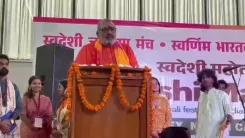
Goyal hails Sarnath's UNESCO World Heritage inscription
Synopsis
Union Commerce Minister Piyush Goyal on 25 July 2026 hailed the inscription of Sarnath — the site of Buddha's first sermon near Varanasi — on the UNESCO World Heritage List, calling it a proud moment for India and its civilisational legacy.
Key Takeaways
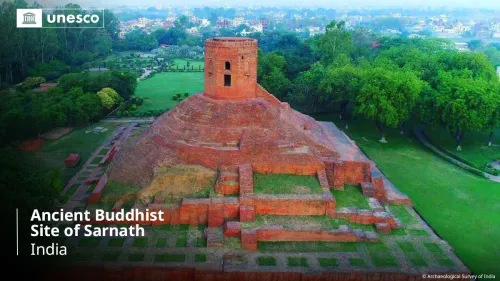
Sarnath , near Varanasi, Uttar Pradesh , has been inscribed on the UNESCO World Heritage List .
Union Minister Piyush Goyal welcomed the recognition on 25 July 2026 , calling it a proud moment for every Indian.
Sarnath is where Lord Buddha delivered his first sermon, making it one of Buddhism's holiest sites.
The inscription follows earlier recognitions of Mahabodhi Temple Complex (2002) and Nalanda Mahavihara (2016), continuing India's Buddhist heritage nominations.
India now has over 40 UNESCO World Heritage Sites , with Sarnath adding to the country's cultural diplomacy portfolio.
The designation is expected to boost heritage tourism in Uttar Pradesh and attract Buddhist pilgrims from across Asia.
Union Commerce and Industry Minister Piyush Goyal on Saturday, 25 July 2026 welcomed the inscription of Sarnath on the UNESCO World Heritage List, calling it a proud moment for every Indian and affirming the site's place as a sacred landmark of global civilisational heritage.
Context
Goyal's post celebrated the recognition with the words: 'India's enduring civilisational heritage has received another global honour with Sarnath's inscription on the UNESCO World Heritage List. The sacred land where Lord Buddha shared his timeless message of Dharma, compassion and harmony now receives the recognition it richly deserves.' The statement underscores the cultural and spiritual significance Sarnath holds for India and for Buddhist communities worldwide.
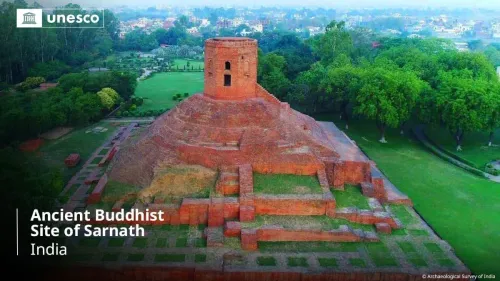
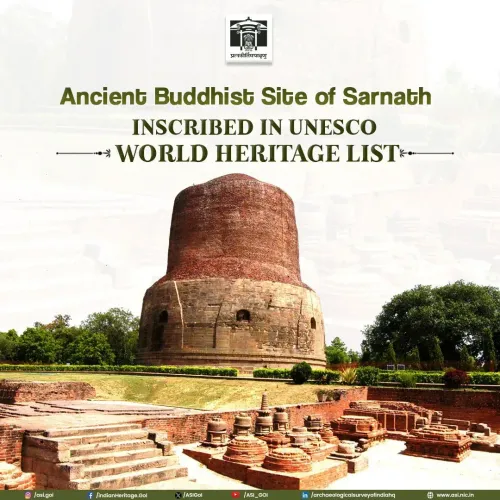
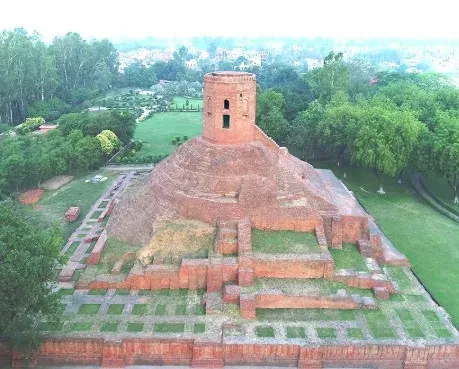
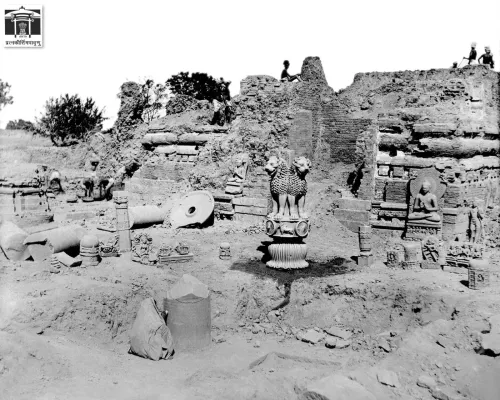
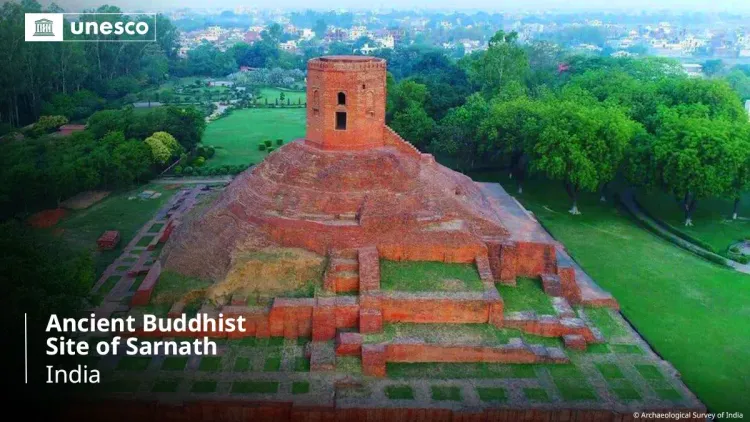
Sarnath, located near Varanasi in Uttar Pradesh, is the site where Gautama Buddha delivered his first sermon after attaining enlightenment — an event central to the founding of Buddhism. The site houses iconic monuments including the Dhamek Stupa and ruins of ancient monasteries that draw pilgrims and scholars from across Asia and beyond.
Policy Backdrop
The inscription continues a pattern of India securing UNESCO recognition for its Buddhist and ancient heritage sites. The Mahabodhi Temple Complex at Bodh Gaya was inscribed in 2002, and Nalanda Mahavihara followed in 2016, cementing India's position as a custodian of the world's Buddhist legacy.
India now counts over 40 UNESCO World Heritage Sites, and successive governments have used the nomination process as a tool of cultural diplomacy — particularly with South-East Asian and East Asian nations that share deep Buddhist ties. Sarnath's inscription strengthens that arc of soft power.
Stakeholders and Impact
The recognition is expected to benefit heritage tourism in Uttar Pradesh, boosting footfall from Buddhist pilgrims originating in countries such as Sri Lanka, Thailand, Japan, South Korea, and Myanmar. Local communities around Sarnath — traders, hospitality workers, and guides — stand to gain from increased international attention and potential conservation funding that typically accompanies a World Heritage designation.
The inscription also places additional conservation obligations on India, requiring periodic state-of-conservation reports to the UNESCO World Heritage Committee and adherence to preservation standards that protect the site's outstanding universal value.
What's Next
Attention will now turn to whether the Central government and the Uttar Pradesh state administration announce dedicated conservation plans, museum upgrades, or improved pilgrimage infrastructure at Sarnath to match the site's elevated international status. India's pipeline of future UNESCO nominations will also be watched, as the country continues to build its World Heritage portfolio ahead of upcoming committee sessions.
The Sarnath inscription reinforces India's broader strategy of leveraging ancient civilisational assets to deepen cultural ties with Buddhist-majority nations — a diplomatic dividend that extends well beyond tourism receipts.
Point of View
Framed in the language of civilisational pride rather than tourism economics, reflects the BJP-led government's consistent practice of anchoring national identity in ancient heritage. The move also builds pressure on the Centre and Uttar Pradesh to back the recognition with tangible conservation investment, or risk criticism that the inscription is being leveraged for optics. Cumulatively, India's growing World Heritage tally serves as a soft-power ledger that complements its harder strategic interests in the region.
NationPress
25 Oct 2026
Frequently Asked Questions
Why has Sarnath been inscribed on the UNESCO World Heritage List?
Sarnath has been inscribed because of its outstanding universal value as the site where Gautama Buddha delivered his first sermon, making it a foundational location for Buddhism and a repository of ancient monuments including the Dhamek Stupa.
Where is Sarnath located?
Sarnath is located near Varanasi in Uttar Pradesh, India, and is one of the four most sacred sites in Buddhism.
What did Piyush Goyal say about Sarnath's UNESCO recognition?
Piyush Goyal said it was 'a proud moment for every Indian' and described Sarnath as the sacred land where Lord Buddha shared his timeless message of Dharma, compassion and harmony.
How many UNESCO World Heritage Sites does India have?
India has over 40 UNESCO World Heritage Sites, with Sarnath's inscription adding to that count in 2026.
Which other Buddhist sites in India are on the UNESCO World Heritage List?
The Mahabodhi Temple Complex at Bodh Gaya was inscribed in 2002 and Nalanda Mahavihara was inscribed in 2016, both recognised for their Buddhist heritage and historical significance.