Kishan Reddy at IMARC 2026: Mining Tech Meets Diplomacy
Synopsis
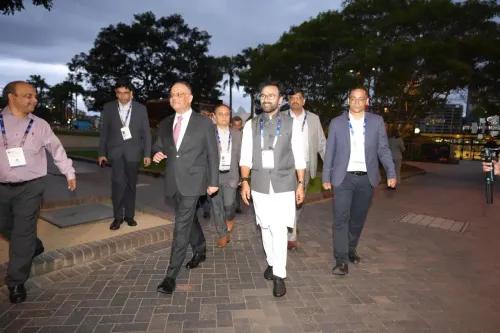
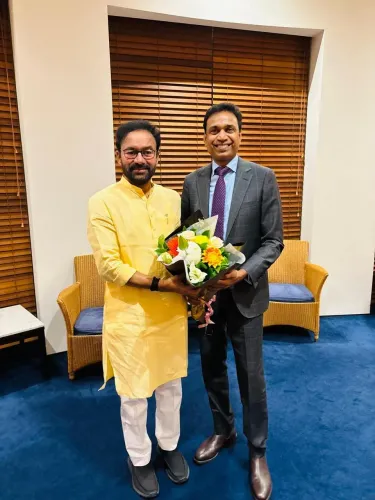
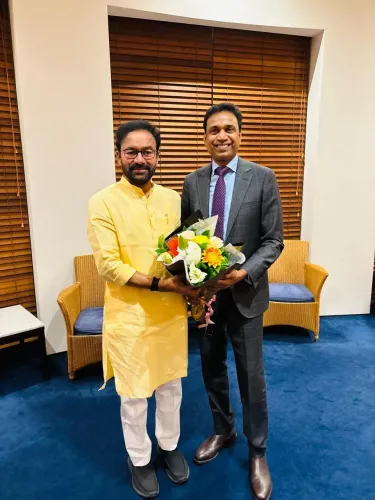
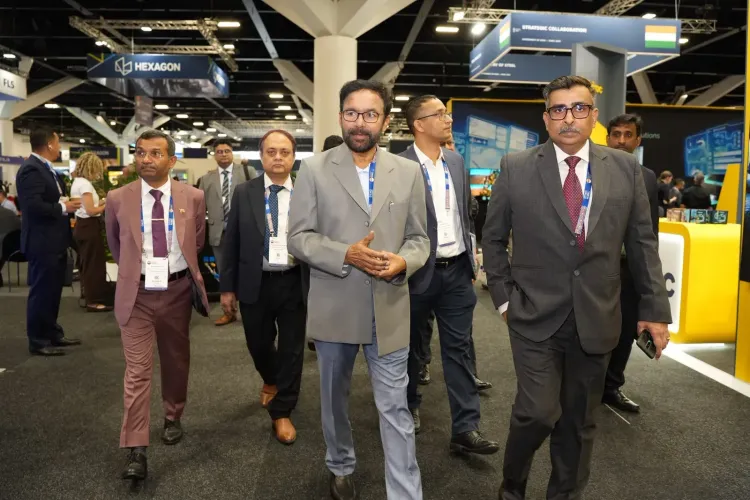
Union Coal and Mines Minister G. Kishan Reddy toured the IMARC 2026 exhibition floor in Australia on October 27, engaging technology providers, industry leaders, and the University of New South Wales stall — signalling India's push for mining-sector technology partnerships and FDI.
Key Takeaways
Kishan Reddy , Union Minister of Coal and Mines, attended the IMARC 2026 exhibition on October 27, 2026 .
He visited multiple stalls including that of the University of New South Wales , a leading institution in mining engineering research.
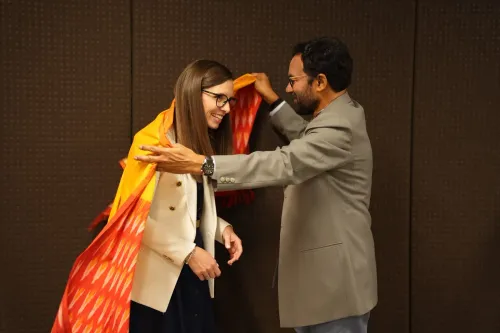
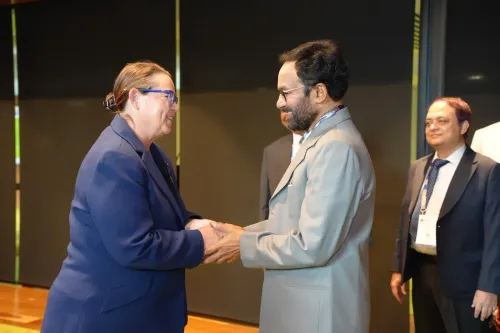
The minister interacted with industry leaders, technology providers and delegates at the conference.
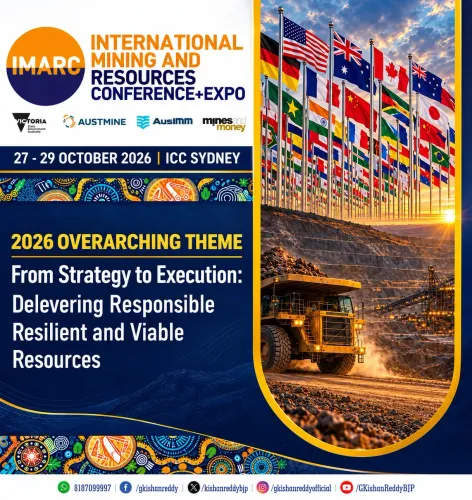
IMARC is an annual Australian event and a key global platform for mining investment, innovation and networking.
India's National Mineral Policy 2019 underpins the government's drive to attract FDI and adopt new mining technologies.
Australia is a strategic partner for India in mining education, critical minerals and equipment expertise.
At one of the world's premier mining gatherings, Union Coal and Mines Minister G. Kishan Reddy walked the floor of the IMARC 2026 exhibition on Tuesday, October 27 — pausing at industry stalls, engaging technology providers, and stopping at the University of New South Wales stand to explore the frontier where mining research meets real-world application.
What IMARC Means for India's Mining Ambitions
The International Mining and Resources Conference (IMARC) is Australia's flagship annual forum for mining investment, equipment innovation, and industry networking — drawing operators, engineers, financiers, and policymakers from across the globe. For India, showing up at this level signals more than curiosity. It signals intent.
India's National Mineral Policy 2019 explicitly called for greater private investment, technology adoption, and sustainable practices across the sector. But policy on paper needs partnerships in practice — and IMARC is precisely the room where those partnerships begin. Minister Reddy's walkthrough of exhibition stalls, speaking with 'industry leaders, technology providers and delegates', is the kind of ground-level engagement that precedes formal agreements.
The UNSW Stall and the R&D Signal
The specific mention of the University of New South Wales stall is telling. UNSW runs some of the most respected mining engineering and resources research programs in the world, and Australian universities have long been partners of choice for Indian mining PSUs seeking technical know-how — from ore processing to environmental rehabilitation. A minister pausing here, rather than only at commercial vendor stalls, points to an interest in upstream R&D collaboration alongside commercial deals.
Australia has carved out a central role in India's mining diplomacy over the past decade, owing to its depth of expertise in mining education, equipment, and critical minerals — a supply chain India urgently needs to secure as it scales up its battery and clean-energy industries.
India's Consistent Presence on the Global Resources Circuit
This is not a one-off visit. Indian ministers and officials have made a habit of attending international resources conferences to promote sector reforms and scout technology and investment partners, particularly in coal, critical minerals, and sustainable mining. Each such engagement builds institutional familiarity — the kind that eventually translates into MoUs, technology transfer agreements, and joint research programmes between Indian mining bodies and their foreign counterparts.
Whether specific outcomes emerge from IMARC 2026 will become clear in the weeks ahead. But the signal sent by India's Coal and Mines Minister walking that exhibition floor is unambiguous: New Delhi is shopping — for technology, for partners, and for the future of a sector it cannot afford to leave behind.
Point of View
These conference-floor conversations are the earliest visible steps in supply-chain diplomacy. Watch for any follow-up MoUs involving Indian mining PSUs and Australian universities or equipment makers.
NationPress
27 Oct 2026
Frequently Asked Questions
Why did Kishan Reddy attend IMARC 2026?
As Union Minister of Coal and Mines, G. Kishan Reddy attended IMARC 2026 to engage with global industry leaders and technology providers, reflecting India's ongoing effort to attract foreign investment and adopt advanced technologies in its mining sector.
What is the University of New South Wales known for in mining?
The University of New South Wales (UNSW) is widely regarded for its mining engineering and resources research programs, making it a significant partner for countries like India seeking technical expertise and R&D collaboration.
What is India's National Mineral Policy 2019?
India's National Mineral Policy 2019 updated the country's regulatory framework to encourage private investment, technology adoption and sustainable practices in the mining sector, forming the policy backbone for international outreach like IMARC visits.
What outcomes could follow Kishan Reddy's IMARC 2026 visit?
Potential outcomes include MoUs or technology transfer agreements between Indian mining public-sector undertakings and Australian companies or universities, as well as deeper cooperation on critical minerals supply chains.