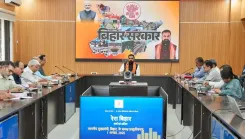
Kishan Reddy: Cabinet Clears PM Surya Sarovar Yojana
Synopsis
The Union Cabinet has approved the Pradhan Mantri Surya Sarovar Yojana with a ₹5,070 crore budget to develop 5,000 MW of floating solar capacity on water bodies and 10,000 MWh of battery storage, with project approvals running from 2026–27 to 2030–31.
Key Takeaways
The Union Cabinet approved Pradhan Mantri Surya Sarovar Yojana (PM-SSY) on 1 August 2026 .
Total budget outlay is ₹5,070 crore targeting 5,000 MW of floating solar on water bodies.
A mandatory 10,000 MWh of Battery Energy Storage Systems (BESS) must accompany the solar projects.
Developers receive ₹1 crore per MW in Central Financial Assistance, paid only after commercial commissioning.
Project approvals will be issued between 2026–27 and 2030–31 ; CFA support continues through 2032–33 .
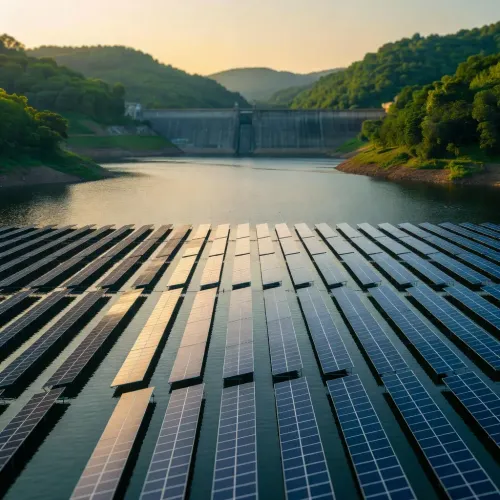
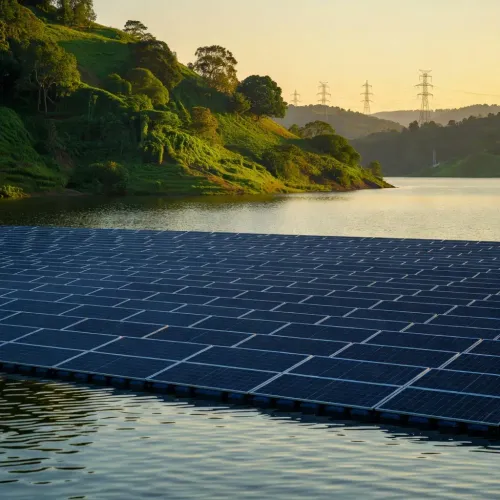
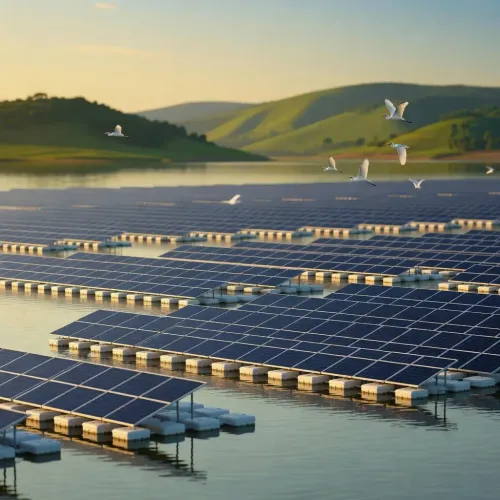
The scheme avoids land acquisition conflicts by deploying panels on existing public water surfaces such as reservoirs and dams.
India's Cabinet has sanctioned a scheme that turns idle water surfaces into power plants — and backs them with batteries. Union Coal and Mines Minister G. Kishan Reddy announced on Saturday, 1 August 2026 that the Union Cabinet, under Prime Minister Narendra Modi, has approved the Pradhan Mantri Surya Sarovar Yojana (PM-SSY), a dedicated programme to build floating solar projects on water bodies across India, bundled with mandatory energy storage systems.
What PM-SSY actually commits to
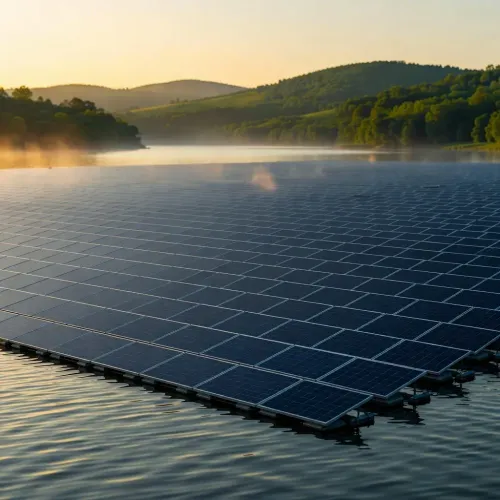
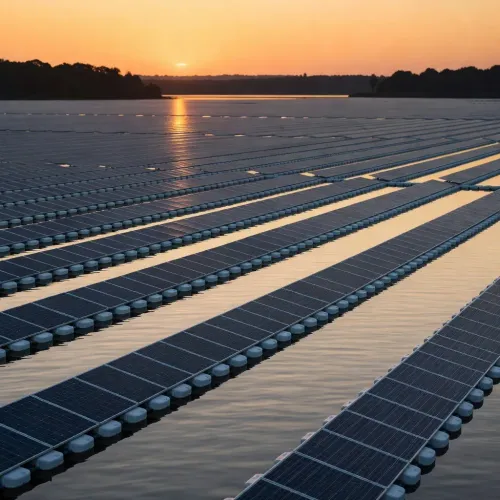
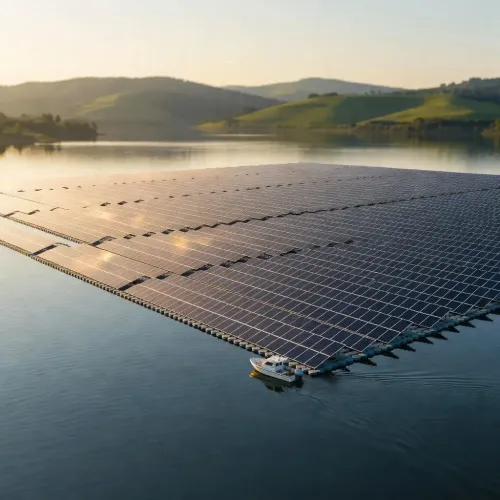
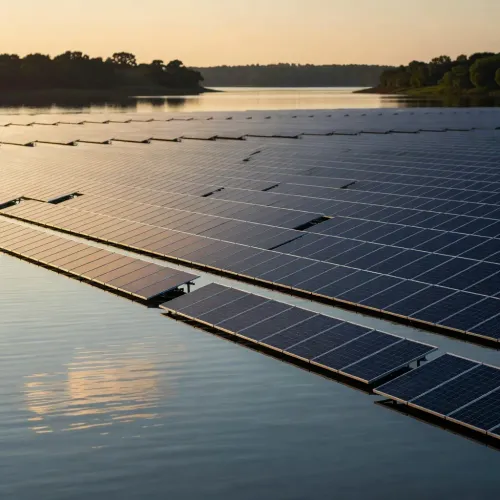
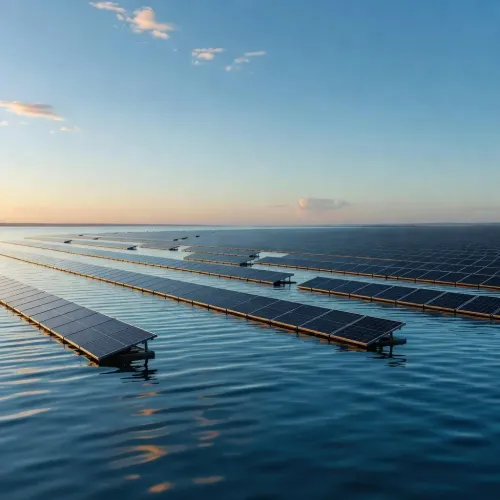
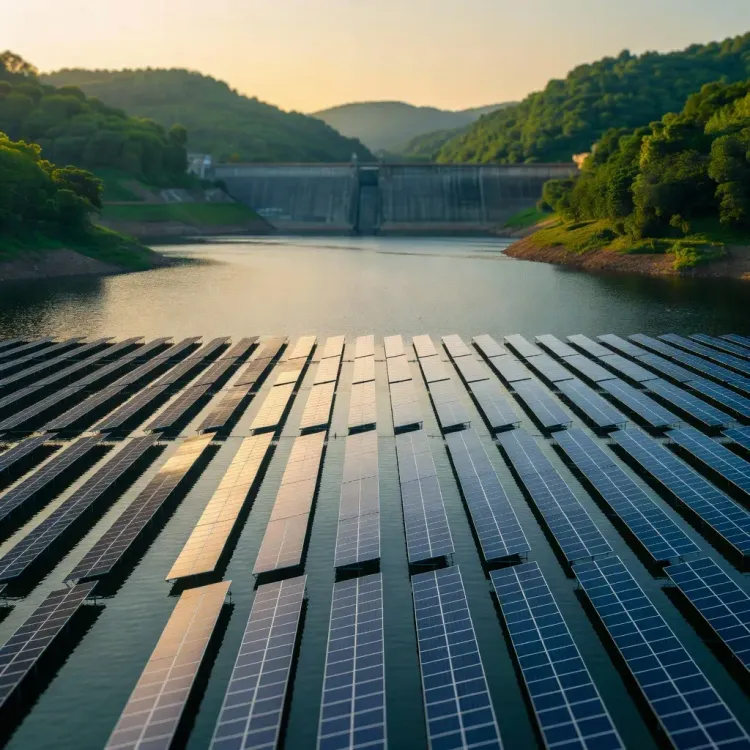
The scheme carries a total outlay of ₹5,070 crore and targets 5,000 MW of floating solar capacity — panels that sit on reservoirs and dams rather than occupying farmland or forests. Alongside generation, the programme mandates at least 10,000 MWh of Battery Energy Storage Systems (BESS), directly addressing the intermittency problem that has long shadowed large-scale solar deployment.
Project approvals will be granted between 2026–27 and 2030–31, with Central Financial Assistance (CFA) flowing through to 2032–33. Developers of eligible floating solar projects will receive ₹1 crore per MW as incentive — paid out only after a project is fully commissioned and commercially operational. The performance-linked design is deliberate: money follows megawatts, not promises.
Floating solar's logic — and why storage changes the equation
India has piloted floating solar on reservoirs in several states, drawn by a simple advantage: water surfaces are already owned by public utilities, eliminating land acquisition battles that have stalled ground-mounted projects for years. Panels over water also benefit from a cooling effect that can marginally improve generation efficiency.
But the inclusion of BESS marks a sharper policy shift. As solar's share of the national grid climbs, the evening demand peak — when panels go dark — has become a stress point for state grids. Mandating storage alongside generation means PM-SSY is designed not just to add capacity, but to deliver dispatchable capacity: power that can be called on when the sun isn't shining.
Where this sits in India's renewable arc
India's solar journey began with the Jawaharlal Nehru National Solar Mission in 2010, which set the first grid-connected targets and created the financial architecture that successive schemes have built on. At COP26 in 2021, Prime Minister Modi committed India to 500 GW of non-fossil fuel electricity capacity by 2030 — a target that has driven a cascade of central programmes ever since.
PM-SSY slots into that architecture as a specialist instrument: it does not try to do everything, but focuses the next five years of approvals on a specific technology — floating solar — that India has the water-body geography to scale, and pairs it with the storage layer the grid increasingly needs.
State power utilities and renewable energy developers now await the tendering processes expected to open once the 2026–27 approval window begins. How quickly states move to submit project proposals — and how smoothly they integrate floating solar into their Renewable Purchase Obligations — will determine whether the 5,000 MW target is a floor or a ceiling.
India set a goal of electrifying its future on water. Now it has a scheme — and a deadline — to prove it can.
Point of View
Dispatchable renewable power, signalling that grid reliability is now as central a concern as installed megawatts. The performance-linked CFA design, disbursed only post-commissioning, reflects lessons from earlier schemes where incentives preceded delivery. For the BJP government, the scheme also serves a political geometry: floating solar sidesteps the land-acquisition controversies that have dogged ground-mounted projects in agrarian states, reducing a traditional friction point ahead of state elections. The real test will come in 2026–27, when state utilities must convert Cabinet approval into actual project tenders.
NationPress
1 Aug 2026
Frequently Asked Questions
What is Pradhan Mantri Surya Sarovar Yojana?
PM Surya Sarovar Yojana (PM-SSY) is a central government scheme approved in August 2026 to develop 5,000 MW of floating solar power projects on water bodies across India, along with at least 10,000 MWh of battery energy storage systems, with a total outlay of ₹5,070 crore.
What is the budget for PM Surya Sarovar Yojana?
The Cabinet has allocated ₹5,070 crore for PM-SSY. Eligible developers receive ₹1 crore per MW as Central Financial Assistance, paid after the project is fully built and commercially operational.
What is floating solar and why is India promoting it?
Floating solar refers to photovoltaic panels mounted on water bodies such as reservoirs and dams instead of land. India is promoting it because it avoids land acquisition challenges, uses already-available public water surfaces, and the cooling effect of water can slightly improve panel efficiency.
When will PM-SSY projects be approved and completed?
Project approvals under PM-SSY will be granted between 2026–27 and 2030–31. Central Financial Assistance will continue to flow through the financial year 2032–33 to cover projects commissioned within the approval window.
Why is battery storage mandatory under PM Surya Sarovar Yojana?
The scheme mandates at least 10,000 MWh of Battery Energy Storage Systems (BESS) because solar power generation stops at night, creating an evening demand gap on state grids. Pairing storage with generation makes the power dispatchable — available when needed, not just when the sun shines.