Kishan Reddy Leads Coal Gasification Roadshow in Mumbai

Synopsis
Union Coal and Mines Minister G. Kishan Reddy participated in a live roadshow in Mumbai on June 18, 2026, to promote Surface Coal and Lignite Gasification — a key Ministry of Coal initiative targeting 100 million tonnes of gasification by 2030 to cut import dependence and boost domestic energy security.
Key Takeaways
Union Coal and Mines Minister G.
Kishan Reddy joined a live roadshow in Mumbai on June 18, 2026 to promote Surface Coal and Lignite Gasification.
The Ministry of Coal has set a target of gasifying 100 million tonnes of coal by 2030 .
The programme aims to produce syngas as a domestic substitute for imported natural gas and naphtha in fertilisers, chemicals, and power.
Viability gap funding frameworks were established in the early 2020s to support private investment in gasification plants.
Mumbai was selected as the roadshow venue to engage India's financial and industrial investor community.
Follow-up investor commitments and tender announcements are the key metrics to watch after the event.
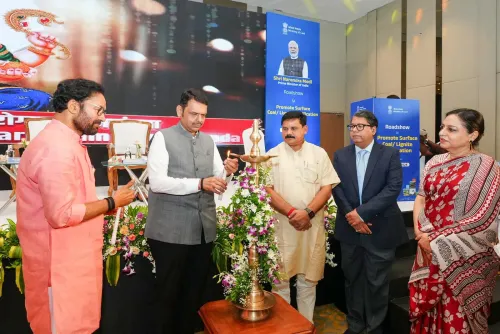
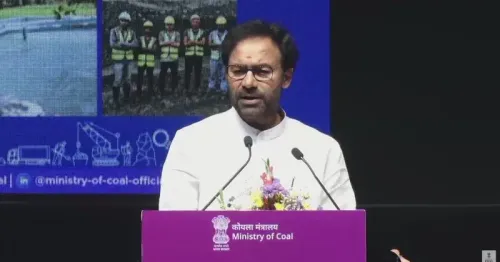
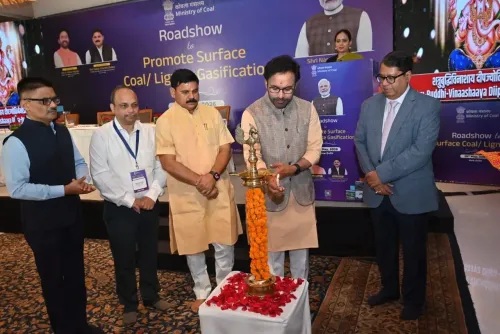
Union Coal and Mines Minister G. Kishan Reddy on Thursday, June 18, 2026, participated live in a roadshow held in Mumbai to promote Surface Coal and Lignite Gasification — a technology the Ministry of Coal is actively pushing to convert domestic coal and lignite reserves into syngas for use in chemicals, fertilisers, and power generation.
Context
The roadshow, broadcast live on the Ministry's official channel, was aimed at attracting investors and industry stakeholders to the coal gasification programme. Mumbai, as India's financial capital, was chosen as the venue to maximise engagement with energy investors, chemical industry players, and project financiers. The event represents a direct outreach effort by the ministry to build commercial momentum behind a technology that has so far seen limited private-sector uptake.
Policy Backdrop
The Ministry of Coal had, as far back as 2020, set an ambitious target of gasifying 100 million tonnes of coal by 2030 as part of a broader strategy to reduce India's dependence on imported natural gas and petrochemicals. Viability gap funding and pilot project frameworks for surface coal gasification were outlined in the early 2020s to make the coal-to-chemicals route commercially viable. The government has consistently framed coal gasification as a way to monetise vast domestic reserves — particularly lignite deposits — while remaining aligned with gradual energy-transition objectives.
Surface gasification differs from underground coal gasification in that it processes coal above ground in dedicated reactors, producing syngas that can substitute for natural gas in fertiliser manufacturing, methanol production, and power plants. The approach reduces the need for imported liquefied natural gas and naphtha, offering both energy security and import-substitution benefits.
Stakeholders and Impact
The primary beneficiaries of a successful coal gasification scale-up would include fertiliser manufacturers, who currently rely heavily on imported gas as feedstock, and chemical industry players seeking domestic syngas supply chains. Coal miners and state-owned mining companies stand to gain from expanded demand for lower-grade coal and lignite that is otherwise uneconomical to burn directly in power plants. Energy investors and project developers are the audience the roadshow most directly targets, as large-scale gasification plants require significant upfront capital and long-term offtake assurances.
The initiative also sits within the broader coal-sector reform agenda that includes commercial mining auctions opened to private players — reforms that have collectively sought to restructure India's coal economy beyond conventional thermal power use.
What's Next
The immediate watch-points following the Mumbai roadshow will be any investor commitment announcements, expressions of interest for gasification plant tenders, and potential viability-gap funding allocations in upcoming Coal Ministry budget cycles or policy notifications. If the roadshow succeeds in drawing concrete project proposals, the ministry is expected to fast-track approvals through its existing pilot-project framework. The pace of follow-through will be a key indicator of whether India's coal gasification ambitions translate from policy documents into operational plants before the 2030 target window narrows further.
Point of View
Kishan Reddy is acknowledging that viability gap funding alone has not been sufficient to unlock large-scale investment. The event also reflects a wider political calculus: framing coal not as a sunset fuel but as a feedstock for chemicals and fertilisers gives the BJP-led government a credible narrative that bridges energy security with the Make-in-India agenda. Whether this translates into binding project commitments will determine if the 2030 gasification target remains credible.
NationPress
19 Sept 2026
Frequently Asked Questions
What is Surface Coal Gasification and why is India promoting it?
Surface Coal Gasification converts coal or lignite into syngas above ground in industrial reactors. India promotes it to reduce dependence on imported natural gas and naphtha, using domestic coal reserves as feedstock for fertilisers, chemicals, and power generation.
What is India's coal gasification target for 2030?
The Ministry of Coal has set a target of gasifying 100 million tonnes of coal by 2030 , a goal announced as part of the country's energy security and import-substitution strategy.
Why was the coal gasification roadshow held in Mumbai?
Mumbai was chosen as India's financial capital to maximise access to energy investors, project developers, and chemical industry stakeholders who are the primary audience for large-scale gasification investment proposals.
Who is G. Kishan Reddy?
G. Kishan Reddy is the Union Minister of Coal and Mines in the Indian government and also serves as the BJP's Telangana state president.
What industries benefit from coal gasification in India?
Fertiliser manufacturers, methanol and chemical producers, and power generators benefit most, as syngas from domestic coal can substitute for imported liquefied natural gas and naphtha used as industrial feedstock.