Kishan Reddy hosts coal gasification roadshow in Hyderabad
Synopsis
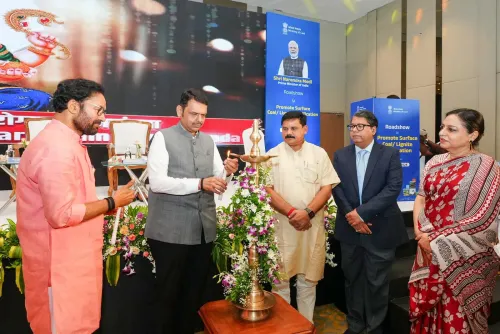
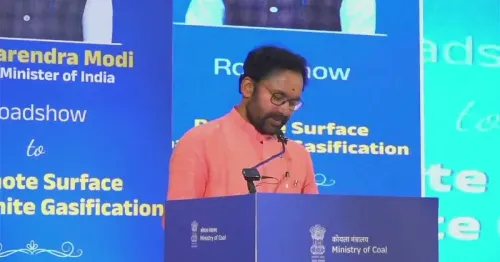
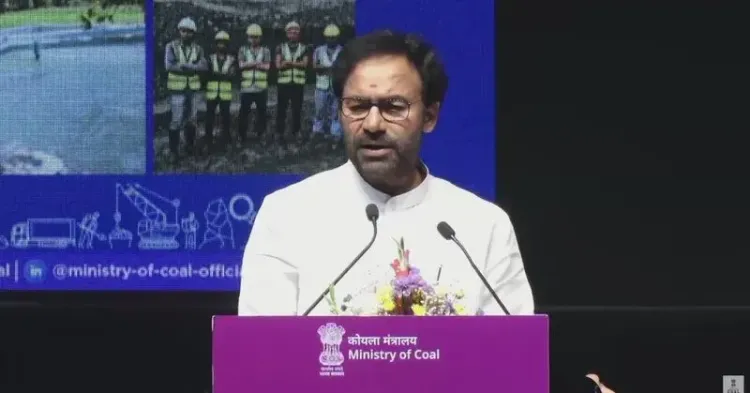
Union Coal and Mines Minister G. Kishan Reddy hosted a live roadshow in Hyderabad on June 11, 2026, to promote Surface Coal and Lignite Gasification — a technology India is targeting at 100 million tonnes of capacity by 2030 to cut import dependence and boost domestic energy security.
Key Takeaways
Kishan Reddy , Union Minister of Coal and Mines, hosted a live roadshow in Hyderabad on June 11, 2026 to promote Surface Coal and Lignite Gasification.
The Ministry of Coal has set a national target of gasifying 100 million tonnes of coal by 2030 under the Atmanirbhar Bharat framework.
Policy groundwork for coal gasification was established in the Union Budget of February 2020 .
The technology converts coal or lignite into syngas, serving as feedstock for fertilizers, chemicals and transport fuels .
Key beneficiaries include coal producers, fertilizer manufacturers and chemical industries seeking domestic feedstock alternatives.
Hyderabad was chosen as a venue given its industrial base and the region's proximity to lignite deposits in southern India.
Union Coal and Mines Minister G. Kishan Reddy hosted a live roadshow in Hyderabad on Thursday, June 11, 2026, to promote Surface Coal and Lignite Gasification technology, signalling a fresh push by the Ministry of Coal to advance one of India's key energy-transition priorities.
Context
The roadshow, streamed live on the Ministry's official channels, brought together stakeholders from the coal, chemicals and fertilizer sectors to highlight the commercial and strategic potential of converting domestic coal and lignite reserves into syngas. Hyderabad, as the capital of Telangana — a state with significant lignite deposits in its vicinity — provides a fitting regional venue for such outreach. Kishan Reddy also serves as BJP Telangana state president, giving the event both a policy and a regional dimension.
Surface Coal Gasification involves thermochemical conversion of coal or lignite into a synthetic gas mixture, which can then be used as feedstock for fertilizers, chemicals and transport fuels, reducing dependence on imported natural gas and petroleum derivatives.
Policy Backdrop
The policy groundwork for coal gasification was laid in the Union Budget of February 2020, which announced dedicated measures to promote the technology for chemicals production and import substitution. Building on that, the Ministry of Coal in 2021 set a national target of gasifying 100 million tonnes of coal by 2030 under the Atmanirbhar Bharat framework.
India's large domestic coal reserves — the country is among the world's top coal producers — make gasification an attractive lever for energy security. By converting coal into syngas domestically, India aims to cut costly imports of natural gas and petrochemical feedstock, easing pressure on the current account.
Stakeholders and Impact
The primary beneficiaries of a scaled-up gasification programme span multiple industries: coal producers gain new revenue streams from reserves that may not be suitable for conventional combustion; the fertilizer sector stands to receive domestically produced feedstock in place of imported urea and ammonia inputs; and chemical manufacturers could access syngas-derived methanol and other intermediates at competitive prices.
State-level roadshows of this kind are designed to attract investment commitments from private players and public-sector enterprises alike, and to familiarise regional industry with the technology's commercial viability. Telangana's industrial base and its proximity to lignite-bearing geology in southern India make it a strategically important audience for such outreach.
What's Next
The Hyderabad roadshow is part of a broader series of regional engagements the Ministry of Coal has been conducting to build an investor pipeline for gasification projects ahead of the 2030 capacity target. Observers will watch for follow-up investment commitments, expressions of interest for pilot projects, or policy announcements that may emerge from the event.
With India's energy transition demands intensifying and import bills remaining a fiscal concern, the momentum behind coal and lignite gasification is likely to grow — making ministerial-level advocacy events like the Hyderabad roadshow an early indicator of how aggressively the government intends to push the technology into commercial deployment in the near term.
Point of View
Signalling that the party sees energy-sector development as an electoral asset in the state. The 100-million-tonne gasification target remains ambitious, and roadshows of this nature are a necessary but not sufficient condition for meeting it — the real test will be whether binding investment commitments follow. Broader coal gasification policy sits at the intersection of energy security, import substitution and the complex politics of India's fossil-fuel transition.
NationPress
26 Oct 2026
Frequently Asked Questions
What is Surface Coal Gasification and why is India promoting it?
Surface Coal Gasification is a process that converts coal or lignite into synthetic gas (syngas), which can be used as feedstock for fertilizers, chemicals and fuels. India is promoting it to monetise large domestic coal reserves and reduce costly imports of natural gas and petroleum feedstock.
What is India's coal gasification target for 2030?
The Ministry of Coal has set a target of gasifying 100 million tonnes of coal by 2030 under the Atmanirbhar Bharat framework, a goal announced in 2021.
Why was the coal gasification roadshow held in Hyderabad?
Hyderabad was chosen as the venue given Telangana's industrial base and southern India's proximity to lignite deposits. Union Minister G. Kishan Reddy also serves as BJP Telangana state president, adding regional significance to the event.
Who benefits from coal gasification in India?
Key beneficiaries include coal producers who gain new revenue streams, fertilizer manufacturers who can access domestically produced feedstock, and chemical industries seeking syngas-derived intermediates as alternatives to imported raw materials.
When did India's coal gasification policy begin?
The policy foundation was laid in the Union Budget of February 2020 , which announced measures to promote coal gasification for chemicals production and import substitution.