Kishan Reddy Pushes for Lithium Plant After Australia Trip
Synopsis
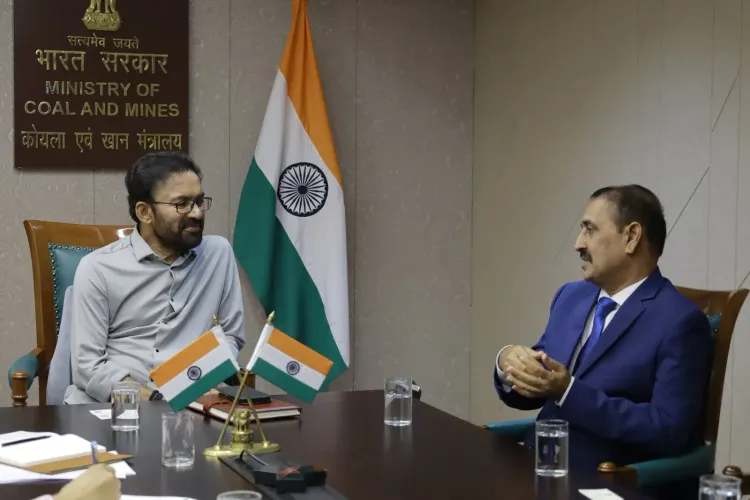
Union Mines Minister G. Kishan Reddy convened a review meeting with Ministry of Mines officials and lithium technology companies on November 17, 2026, following his Australia visit, to advance plans for a domestic lithium processing plant and strengthen India's critical minerals manufacturing ecosystem.
Key Takeaways
Kishan Reddy held a review meeting on November 17, 2026 with Ministry of Mines officials and lithium technology companies.
Discussions focused on setting up a lithium processing plant in India and building a domestic critical minerals supply chain.
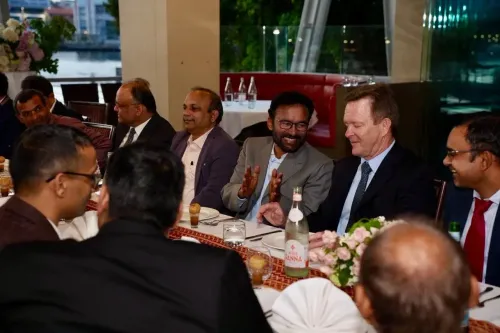
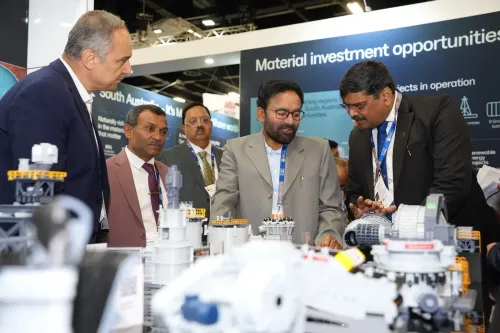
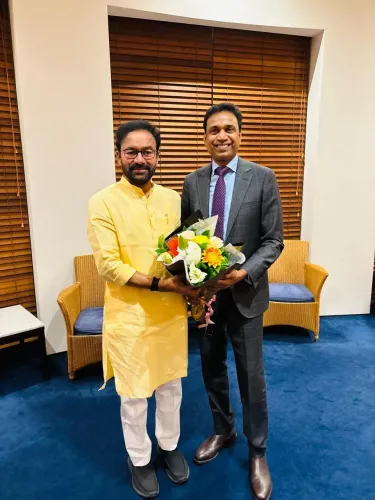
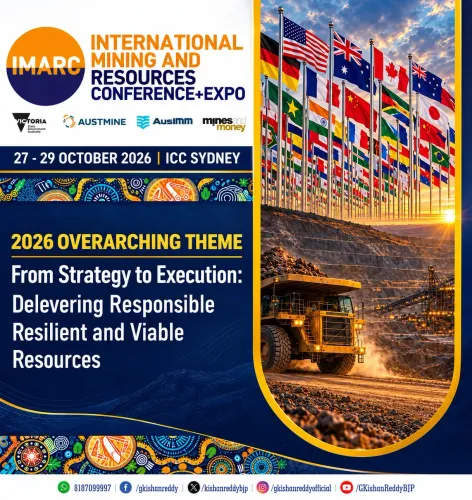
The meeting followed Reddy's visit to Australia , where he invited leading companies to invest in India's minerals sector.
India currently relies on imports for virtually all processed lithium, a vulnerability the initiative aims to address.
The push is anchored in the National Mineral Policy 2019 and the broader Make in India framework launched in September 2014 .
Watch-points include PLI scheme expansions for battery materials and outcomes of mineral block auctions.
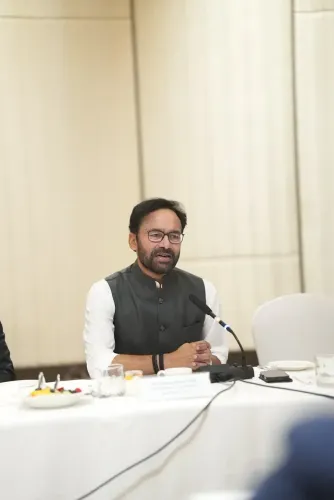
Fresh off a diplomatic push in Australia where he courted global mining and technology firms, Union Coal and Mines Minister G. Kishan Reddy convened a high-level review meeting on Tuesday, November 17, 2026, with officials from the Ministry of Mines and leading lithium technology companies — keeping the momentum from overseas conversations alive at home.
From Canberra Boardrooms to a Delhi Review Table
The meeting zeroed in on two objectives: identifying viable sites and structures for setting up a lithium processing plant in India, and mapping out how foreign expertise can plug into India's nascent critical minerals supply chain. Reddy had used his Australia visit to personally invite companies to 'invest, innovate and build in India' — this meeting was the first concrete follow-through. The minister's post, addressed jointly to the @MinesMinIndia handle, signals that the dialogue is now moving from diplomacy to deliverables.
Why Lithium, Why Now
Australia is one of the world's largest producers of lithium spodumene ore and home to firms with cutting-edge refining technology — making it a natural first port of call for India's ambitions. India currently imports virtually all of its processed lithium, a dependency that sits uncomfortably at the heart of its electric-vehicle and energy-storage push. Without domestic processing capacity, the entire Make in India supply chain for EV batteries remains hostage to global price swings and geopolitical supply disruptions. That is the gap this initiative is designed to close.
Policy Architecture Behind the Push
The drive draws on two interlocking policy pillars. The National Mineral Policy 2019 opened the door to private participation in critical mineral exploration, including lithium — a resource India was barely mapping before the EV revolution made it strategic. The broader Make in India framework, launched in September 2014, provides the investment-attraction machinery: streamlined approvals, sector-specific incentives, and the Atmanirbhar Bharat (self-reliance) branding that now defines India's industrial diplomacy. Reddy explicitly invoked both registers in his post, calling on global organisations to 'partner with us in building advanced manufacturing capabilities.'
What Comes Next for Lithium in India
The immediate watch-points are whether specific plant proposals emerge from the companies engaged during the Australia visit, whether the government extends Production Linked Incentive (PLI) scheme coverage deeper into battery materials, and how ongoing mineral block auctions — a key mechanism for attracting private capital into exploration — progress. The EV battery sector is waiting. India's self-reliance story in clean energy has a lithium-shaped gap at its centre, and Tuesday's meeting was a pointed signal that closing it is now a ministerial priority.
India's clean-energy ambitions will ultimately be measured not by the summits held abroad, but by the plants that come online at home — and the clock is running.
Point of View
Followed swiftly by structured domestic review — a pattern designed to convert intent into investment commitments. For Reddy, anchoring lithium processing inside India is as much about Atmanirbhar Bharat's credibility as it is about supply-chain logic, since the EV transition's viability depends entirely on upstream material security. The Australia pivot is strategic: Canberra has positioned itself as a preferred minerals partner for democracies seeking to diversify away from Chinese refining dominance. If plant proposals materialise, they would represent the most significant downstream critical minerals initiative India has attempted under the Make in India umbrella.
NationPress
17 Nov 2026
Frequently Asked Questions
What is G. Kishan Reddy's plan for a lithium plant in India?
Union Mines Minister G. Kishan Reddy held a review meeting on November 17, 2026, with Ministry of Mines officials and lithium technology companies to explore setting up a domestic lithium processing plant, building on outreach during his recent visit to Australia.
Why is India trying to set up a lithium processing plant?
India currently imports nearly all of its processed lithium, making its EV battery and clean-energy supply chain vulnerable to global price swings and supply disruptions. A domestic plant would reduce this dependence and strengthen the Make in India manufacturing ecosystem.
What was the outcome of Kishan Reddy's Australia visit for critical minerals?
During his Australia visit, Kishan Reddy met leading mining and technology companies and invited them to invest, innovate, and build in India. The November 17 review meeting is the first structured domestic follow-up to those conversations.
How does the National Mineral Policy 2019 support lithium investment in India?
The National Mineral Policy 2019 opened India's critical mineral exploration — including lithium — to private participation, providing a regulatory foundation for attracting both domestic and foreign investment in lithium processing and supply chain development.
What is India's Make in India connection to the lithium push?
The Make in India initiative, launched in September 2014, provides the investment-attraction and industrial-incentive framework that underpins efforts to build domestic lithium and battery manufacturing capacity under the Atmanirbhar Bharat (self-reliance) agenda.