Kishan Reddy Highlights PM-JANMAN, Tribal Schemes at FTS Event
Synopsis
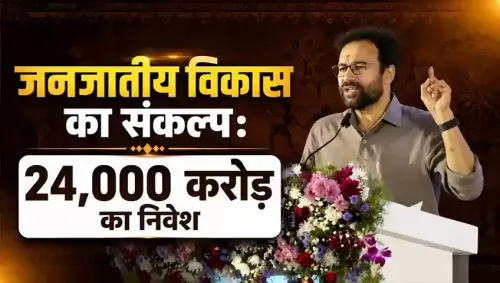
Union Coal and Mines Minister G. Kishan Reddy on 19 July 2026 highlighted the ₹24,000 crore PM-JANMAN scheme, the National Sickle Cell Anaemia Elimination Mission, and the ₹80,000 crore Janjatiya Gram Utkarsh Abhiyan at an FTS India event, declaring the Red Corridor of Naxalism 'now history.'
Key Takeaways
PM-JANMAN , a ₹24,000 crore scheme, provides infrastructure and services to 75 Particularly Vulnerable Tribal Groups across 18 states .
The National Sickle Cell Anaemia Elimination Mission targets elimination of the disease among tribal populations by 2047 .
The ₹80,000 crore Janjatiya Gram Utkarsh Abhiyan is upgrading infrastructure and livelihoods in thousands of tribal villages.
Minister Kishan Reddy declared the Red Corridor of Naxalism 'now history,' linking the security shift to development outreach in former conflict zones.
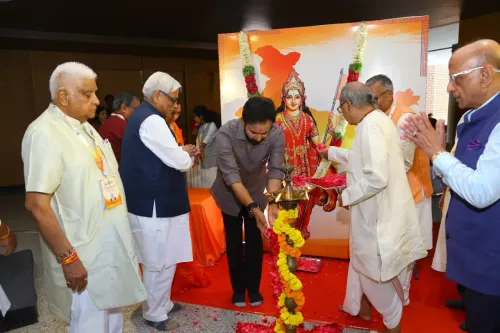
The remarks were made at an event attended by members of FTS India and the Heartfulness movement on 19 July 2026 .
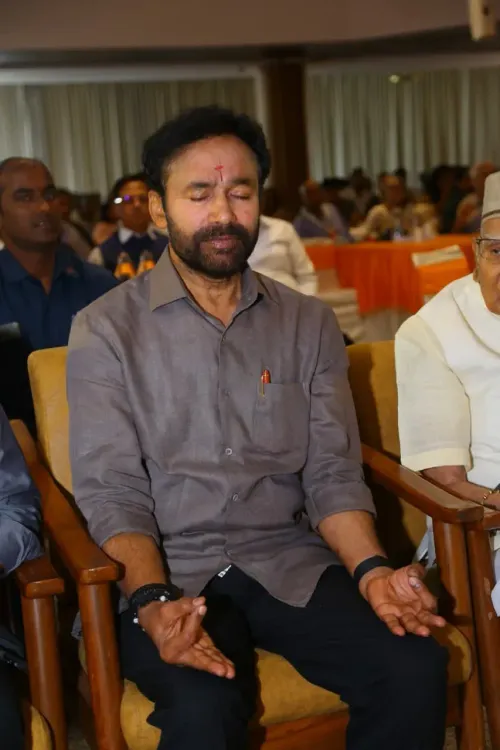
Union Coal and Mines Minister G. Kishan Reddy on Sunday, 19 July 2026, underscored the central government's flagship tribal welfare programmes — including the ₹24,000 crore PM-JANMAN scheme and the ₹80,000 crore Janjatiya Gram Utkarsh Abhiyan — while addressing members of FTS India and the Heartfulness movement at an event in New Delhi. The minister also invoked the decline of Left-Wing Extremism, declaring the Red Corridor of Naxalism 'now history.'
Context
Speaking at the gathering, Kishan Reddy highlighted three central schemes targeting 75 Particularly Vulnerable Tribal Groups (PVTGs) — communities identified by the Ministry of Tribal Affairs as facing extreme socio-economic vulnerability. He noted that the Pradhan Mantri Janjati Adivasi Nyaya Maha Abhiyan (PM-JANMAN) is delivering saturated infrastructure and services to these groups across 18 states. The minister also referenced the National Sickle Cell Anaemia Elimination Mission, which targets the elimination of the disease among tribal populations by 2047.
Reddy's remarks included a pointed reference to security normalisation: 'Hands that once held guns now carry laptops, notebooks and sports medals,' he said, framing the retreat of Naxalism as a direct outcome of development outreach in former conflict zones. He expressed gratitude to Shri Ramesh Kumar, Smt. Pushpa Mundra, and other guests at the event.
Policy Backdrop
PM-JANMAN was launched in November 2023 following a Budget announcement to address gaps left by earlier PVTG development programmes. The scheme channels funds toward housing, road connectivity, clean drinking water, and mobile medical units for the most marginalised tribal communities. The National Sickle Cell Anaemia Elimination Mission was announced in July 2023 as a health pillar of the government's broader tribal welfare agenda.
The ₹80,000 crore Janjatiya Gram Utkarsh Abhiyan extends the approach of earlier tribal welfare packages — including the 2014 Vanbandhu Kalyan Yojana — by upgrading infrastructure and livelihood support in thousands of tribal villages. The post-2014 policy framework has consistently framed development as an antidote to Left-Wing Extremism, linking infrastructure investment in former Red Corridor districts to measurable security outcomes.
Stakeholders and Impact
The 75 PVTGs — spread across states including Odisha, Jharkhand, Chhattisgarh, Madhya Pradesh, and others — are the primary beneficiaries of PM-JANMAN. These communities were historically among the most underserved, often lacking access to roads, electricity, and healthcare. The Sickle Cell Elimination Mission specifically targets a disease with disproportionately high prevalence among tribal populations.
The Red Corridor — a belt of districts in central and eastern India historically dominated by Maoist insurgency — overlaps significantly with tribal habitations. The government's claim of its decline as 'history' signals a broader narrative shift, positioning welfare spending as a counter-insurgency instrument that has delivered results on both fronts.
What's Next
Independent audits of fund utilisation under PM-JANMAN and the Janjatiya Gram Utkarsh Abhiyan will be critical to assessing on-ground impact, particularly in remote PVTG habitations. The Ministry of Home Affairs periodically updates the list of districts declared free of Left-Wing Extremism influence — a metric that will test the government's claims of security normalisation. Progress on the 2047 sickle cell elimination target will hinge on the pace of universal screening and treatment rollout in tribal areas.
Point of View
Targeted health intervention, and counter-insurgency outcomes — into a single narrative of tribal empowerment, a framing the BJP has refined since 2014. The invocation of the Red Corridor's decline as 'history' is a politically loaded claim that the government has been building toward incrementally, tying security normalisation directly to its development spending record. The scale of the outlays cited — over ₹1 lakh crore across the two flagship schemes alone — reflects a deliberate electoral and administrative bet on tribal constituencies ahead of key state cycles. Whether the on-ground delivery matches the announced allocations remains the central question that independent audits and district-level data will eventually answer.
NationPress
18 Oct 2026
Frequently Asked Questions
What is the PM-JANMAN scheme?
PM-JANMAN, or Pradhan Mantri Janjati Adivasi Nyaya Maha Abhiyan, is a ₹24,000 crore central government scheme launched in November 2023 to deliver housing, road connectivity, clean water, and basic services to 75 Particularly Vulnerable Tribal Groups across 18 states in India.
What is the National Sickle Cell Anaemia Elimination Mission?
It is a central health mission announced in July 2023 that targets the screening and elimination of sickle cell anaemia among tribal populations in India by 2047 , addressing a disease with disproportionately high prevalence in these communities.
What is the Janjatiya Gram Utkarsh Abhiyan?
The Janjatiya Gram Utkarsh Abhiyan is an ₹80,000 crore government programme aimed at upgrading infrastructure, improving connectivity, and supporting livelihoods in thousands of tribal villages across India, building on earlier tribal welfare schemes.
What is the Red Corridor and why did Kishan Reddy mention it?
The Red Corridor refers to a belt of districts in central and eastern India historically affected by Left-Wing Extremism (Naxalism), which overlaps heavily with tribal habitations. Kishan Reddy declared it 'now history,' attributing the decline of Naxalism to the government's sustained development push in these areas.
Who are Particularly Vulnerable Tribal Groups (PVTGs)?
PVTGs are 75 tribal communities identified by India's Ministry of Tribal Affairs as facing extreme socio-economic vulnerability, often characterised by pre-agricultural levels of technology, declining or stagnant populations, and very limited access to basic services.