Kishan Reddy Hails India's Best-Ever IChO Performance
Synopsis
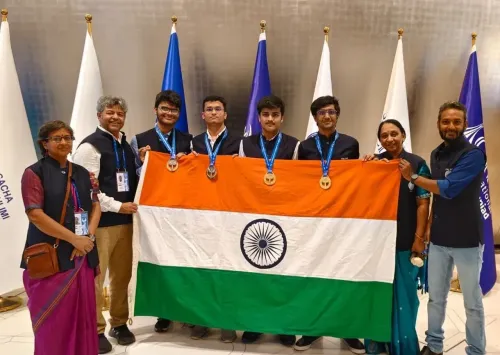
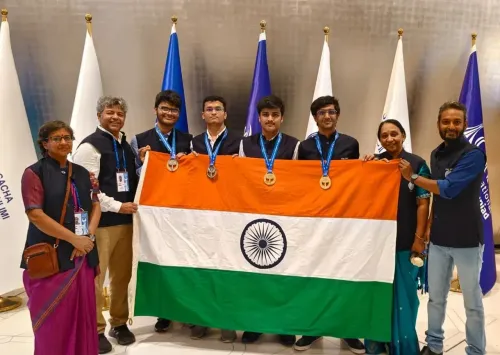
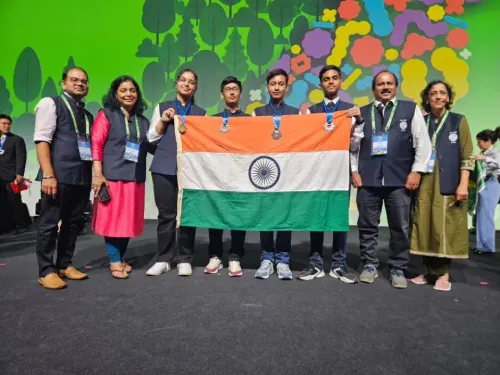
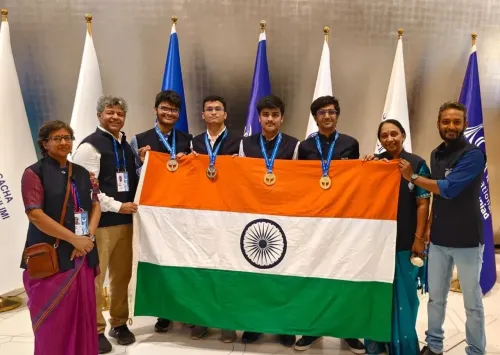
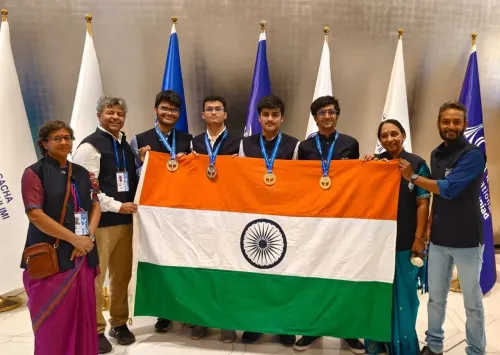
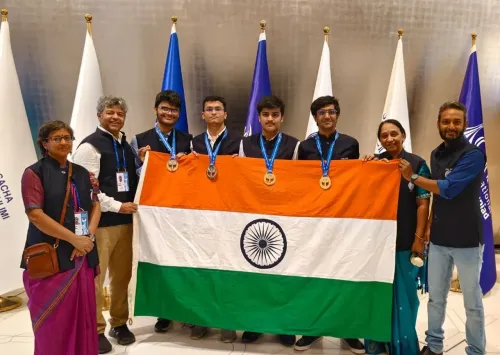
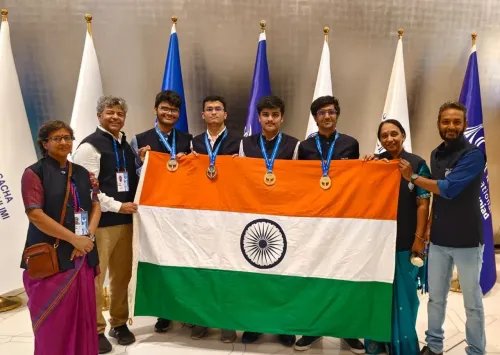
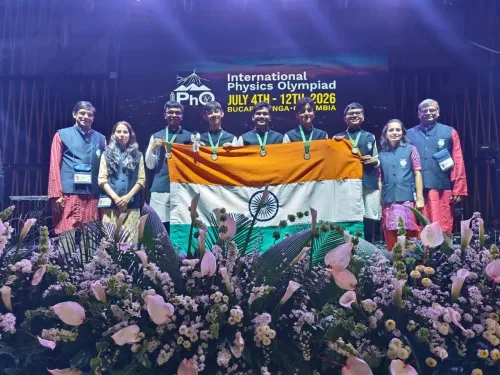
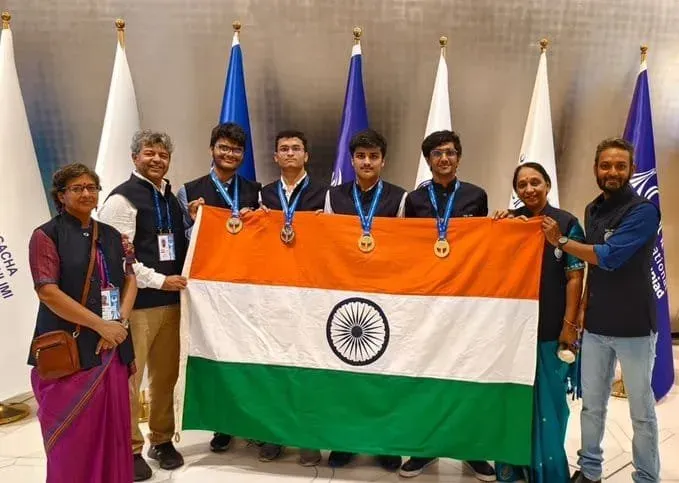
Union Minister G. Kishan Reddy on 19 July 2026 congratulated Debadatta Priyadarshi, Harshit Singhal, Kabeer Chhillar and Sandeep Kuchi on winning gold medals at the 58th International Chemistry Olympiad, calling it India's best-ever result at the global competition and linking it to the Modi government's science and innovation priorities.
Key Takeaways
Four Indian students — Debadatta Priyadarshi, Harshit Singhal, Kabeer Chhillar and Sandeep Kuchi — won gold medals at the 58th International Chemistry Olympiad .
Kishan Reddy described the result as India's best-ever performance at the IChO.
The IChO is an annual global competition for secondary-school students in chemistry, established in 1968 .
The achievement was framed within the Modi government's emphasis on science, innovation and research as national priorities.
Institutional programmes such as Atal Tinkering Labs (2016) and the National Education Policy 2020 form the policy backdrop to India's rising olympiad performance.
Union Coal and Mines Minister G. Kishan Reddy on Sunday, 19 July 2026, congratulated four Indian students who won gold medals at the 58th International Chemistry Olympiad (IChO), calling it India's best-ever performance at the prestigious global competition. The minister named Debadatta Priyadarshi, Harshit Singhal, Kabeer Chhillar, and Sandeep Kuchi as the gold medallists, hailing the result as a landmark moment for Indian science.
Context
Reddy posted on X describing the achievement as a demonstration of 'Bharat's Yuva Shakti' — India's youth power — shining on the global stage. 'This outstanding achievement is a testament to the talent, dedication and scientific temperament of our youth,' he wrote, adding that the success should inspire 'countless young Indians to dream bigger, pursue scientific excellence, and contribute to the nation's progress.'
The International Chemistry Olympiad, established in 1968, is an annual competition for secondary-school students that tests them through rigorous theoretical and practical chemistry examinations. Teams from across the world compete, and a clean sweep of gold medals by a four-member national contingent represents an exceptional outcome.
Policy Backdrop
Reddy linked the result to the science and innovation priorities championed under Prime Minister Narendra Modi, stating that India has 'strengthened its focus on science, innovation and research, creating greater opportunities for young talent to excel on the global stage.' The framing places individual student achievement within a broader governmental narrative of human-capital development.
That narrative has institutional underpinnings. The National Education Policy 2020 introduced a multidisciplinary science-education framework at both school and higher-education levels. Earlier, the Atal Tinkering Labs initiative, launched in 2016, seeded hands-on STEM learning in schools across India. Indian participation and medal tallies at international science olympiads have risen steadily since the early 2000s alongside expanded government-supported training programmes.
Stakeholders and Impact
The four gold medallists — Debadatta Priyadarshi, Harshit Singhal, Kabeer Chhillar, and Sandeep Kuchi — are secondary-school students who represent the cohort of young Indians benefiting from intensified STEM preparation. Their achievement draws attention to the coaches, mentors, and institutional infrastructure that supports olympiad training in India.
For STEM educators and policymakers, a best-ever national result at IChO provides a data point in ongoing debates about the effectiveness of science-curriculum reforms under NEP 2020 and the reach of programmes such as Atal Tinkering Labs. It also raises the profile of chemistry as a discipline among aspirant students nationally.
What's Next
Attention will now turn to whether India can consolidate this performance at the 59th IChO and to parliamentary or ministry-level updates on the rollout of NEP science-curriculum reforms at the school level. The government's ability to translate high-profile olympiad success into broader improvements in science education infrastructure will be closely watched by educators and policymakers alike.
Point of View
The more substantive question is whether the pipeline producing olympiad champions — intensive coaching, curated selection, urban-skewed access — reflects or contradicts the equity aspirations embedded in NEP 2020. India's best-ever IChO result is a genuine achievement, but it also sets a benchmark that will invite scrutiny of systemic science-education outcomes at scale.
NationPress
20 Jul 2026
Frequently Asked Questions
Who won gold medals for India at the 58th International Chemistry Olympiad?
Debadatta Priyadarshi, Harshit Singhal, Kabeer Chhillar and Sandeep Kuchi won gold medals for India at the 58th International Chemistry Olympiad, according to Union Minister G. Kishan Reddy's post on 19 July 2026.
What is the International Chemistry Olympiad?
The International Chemistry Olympiad (IChO) is an annual global competition for secondary-school students, established in 1968, in which national teams compete through theoretical and practical chemistry examinations.
What did G. Kishan Reddy say about India's IChO 2026 result?
Kishan Reddy called it India's best-ever performance at the IChO and said it was a testament to the talent, dedication and scientific temperament of Indian youth, linking the achievement to the Modi government's focus on science and innovation.
How has India performed at science olympiads in recent years?
India's participation and medal tallies at international science olympiads have risen steadily since the early 2000s, supported by government-backed training programmes and policy initiatives such as Atal Tinkering Labs and the National Education Policy 2020.
What government schemes support India's science olympiad preparation?
The Atal Tinkering Labs initiative, launched in 2016, promotes hands-on STEM learning in schools, while the National Education Policy 2020 introduced a multidisciplinary science-education framework at school and higher-education levels.