Kishan Reddy goes live on Sansad TV for ministerial interview
Synopsis
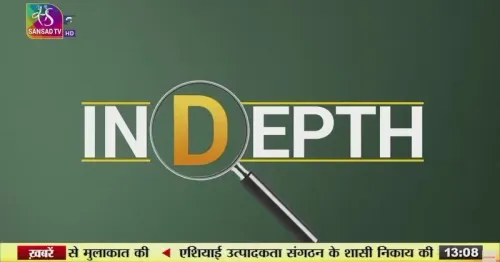
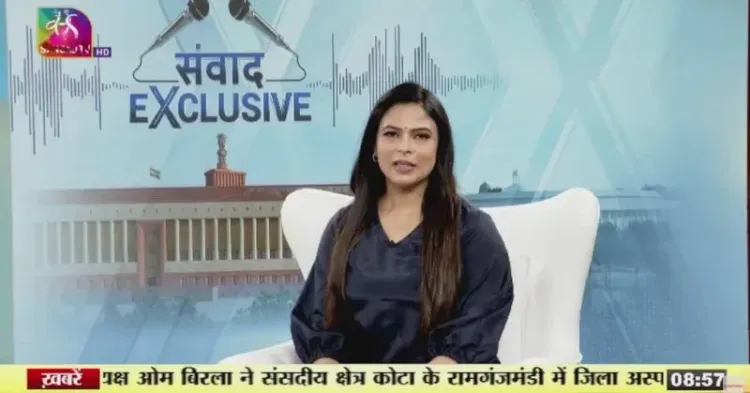
Union Coal and Mines Minister G. Kishan Reddy went live on Sansad TV on 23 May 2026 for a ministerial interview. The appearance is part of routine government outreach on coal and mineral policy, with the parliamentary channel serving as a key platform for direct ministerial communication since 2021.
Key Takeaways
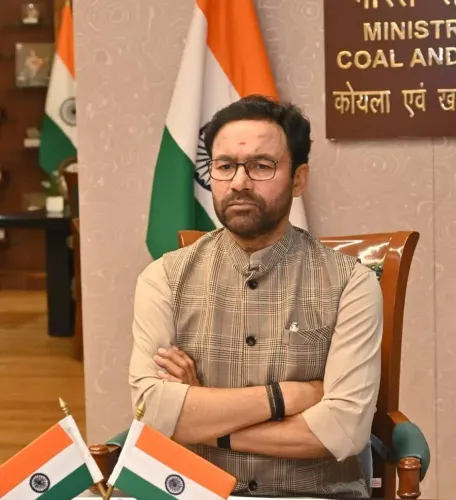
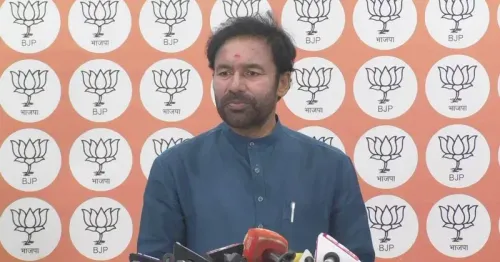
Kishan Reddy , Union Minister of Coal and Mines, appeared live on Sansad TV on 23 May 2026 .
Sansad TV was formed in 2021 by merging Lok Sabha Television and Rajya Sabha Television into a single parliamentary channel.
Kishan Reddy holds charge of both the Ministry of Coal and the Ministry of Mines , covering energy security and mineral resource policy.
He also serves as BJP Telangana state president , combining a senior ministerial role with a key party position.
Union ministers regularly use Sansad TV to communicate directly on sector performance, legislative agendas, and upcoming reforms.
The coal and mining sectors are critical to India's industrial economy and energy security, with major stakeholder interest from industry and coal-bearing state governments.
Union Coal and Mines Minister G. Kishan Reddy went live on Sansad TV on Saturday, 23 May 2026, for a ministerial interview broadcast on the parliamentary channel. The appearance marks part of the government's regular communication outreach on energy and mineral policy.
Context
Sansad TV is India's unified parliamentary television channel, launched in 2021 following the merger of Lok Sabha Television and Rajya Sabha Television. The channel serves as the primary platform for broadcasting proceedings of both Houses of Parliament and for hosting interviews with Union ministers and Members of Parliament. Ministerial appearances on the channel are a routine part of government communication.
G. Kishan Reddy holds charge of two central ministries — the Ministry of Coal and the Ministry of Mines — and is also the BJP's Telangana state president. His portfolio spans policy formulation, production targets, coal resource allocation, mineral exploration, and the regulatory framework governing non-coal minerals across India.
Policy Backdrop
The Ministry of Coal is responsible for steering India's energy security agenda, including production ramp-ups at state-run miners and the ongoing commercial coal mining programme that has opened the sector to private players. The Ministry of Mines oversees mineral exploration and the allocation of mining leases for critical minerals, an area of growing strategic importance as India accelerates its clean-energy transition and seeks to reduce import dependence for battery and semiconductor materials.
Union ministers have used Sansad TV appearances consistently since the channel's launch to explain sector-specific policies directly to a parliamentary and public audience, bypassing intermediary editorial filters. Such interviews often cover performance data, upcoming reforms, and the government's legislative agenda.
Stakeholders and Impact
The coal and mining industries are among the most consequential sectors for India's industrial economy, employing millions directly and indirectly. Companies operating under Coal India Limited subsidiaries, private commercial miners, and firms holding mineral concessions all watch ministerial communications closely for signals on policy direction, auction timelines, and regulatory changes.
State governments, particularly those with significant coal-bearing regions such as Jharkhand, Odisha, Chhattisgarh, and Madhya Pradesh, also have a direct stake in the Centre's coal and mines policy, as royalty revenues and local employment are closely tied to production levels and lease decisions.
What's Next
The full broadcast on Sansad TV will be available for public viewing through the channel's official platforms. Subsequent parliamentary discussions on coal production targets, critical mineral policy, and mining-sector reforms are expected to follow the government's communication cycle. Observers will watch for any policy announcements or production updates that may emerge from the minister's remarks on air.
Point of View
Reducing dependence on third-party editorial intermediaries. For a minister holding two significant economic portfolios — coal and mines — such appearances carry policy signalling weight for industry, state governments, and investors tracking India's energy and critical minerals agenda. The timing, in mid-2026, comes as India's commercial coal mining programme matures and critical mineral policy gains strategic urgency. How the minister frames production targets and reform timelines on air could shape near-term market and policy expectations.
NationPress
7 Oct 2026
Frequently Asked Questions
What is Sansad TV and why do ministers appear on it?
Sansad TV is India's parliamentary television channel, formed in 2021 by merging Lok Sabha TV and Rajya Sabha TV. Ministers appear on it to communicate directly on policy, sector performance, and legislative agendas to a parliamentary and public audience.
Who is G. Kishan Reddy?
G. Kishan Reddy is the Union Minister of Coal and Mines in the Indian government and serves as the BJP's Telangana state president. He oversees India's coal production policy, mineral exploration, and the regulatory framework for mining.
What does the Ministry of Coal do?
The Ministry of Coal is responsible for policy formulation, setting production targets, and allocating coal resources in India. It also oversees the commercial coal mining programme that has opened the sector to private companies.
What does the Ministry of Mines oversee?
The Ministry of Mines governs mineral exploration, the grant and management of mining leases, and the regulatory framework for non-coal minerals including critical minerals essential for clean energy and technology sectors.
Which states are most affected by India's coal and mines policy?
States with significant coal-bearing regions — including Jharkhand, Odisha, Chhattisgarh, and Madhya Pradesh — are most directly affected, as royalty revenues and local employment are closely tied to production levels and lease decisions made at the Centre.