Kishan Reddy Meets Metso Asia-Pacific Chief in Australia
Synopsis
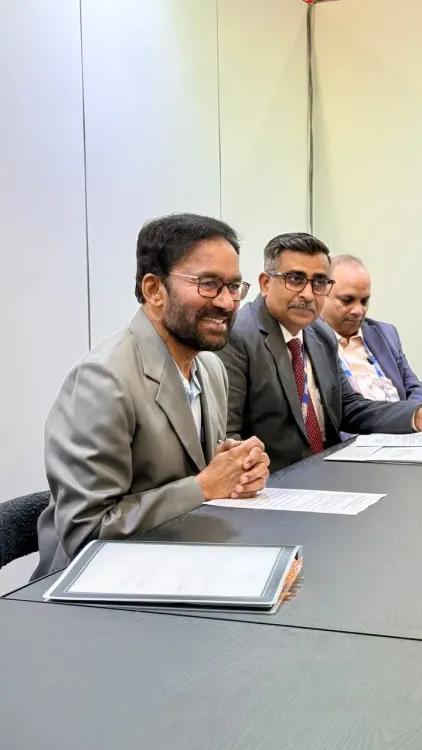
Union Coal and Mines Minister G. Kishan Reddy met Metso Asia-Pacific President Jessica Pringle in Australia on 27 October 2026, exploring global technology partnerships to modernise India's mining and mineral processing sector.
Key Takeaways
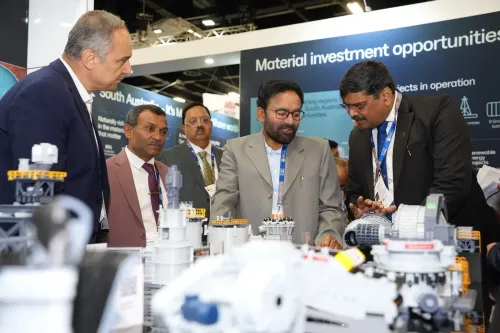
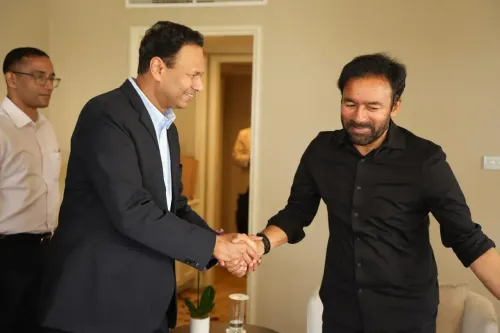
Kishan Reddy , Union Minister of Coal and Mines, met Jessica Pringle , President Asia Pacific at Metso , during his Australia visit on 27 October 2026 .
Metso is a Finland-headquartered global leader in mining equipment and mineral processing technology.
The meeting focused on opportunities for global technology partnerships in India's mining sector .
India's MMDR Amendment Act 2021 and National Mineral Policy 2019 form the legislative base for such technology and foreign-investment tie-ups.
Australia is a key bilateral partner for India on critical minerals including lithium, cobalt, and rare earths.
Possible follow-ups include MoUs, pilot projects, or joint ventures with Indian public-sector mining companies.
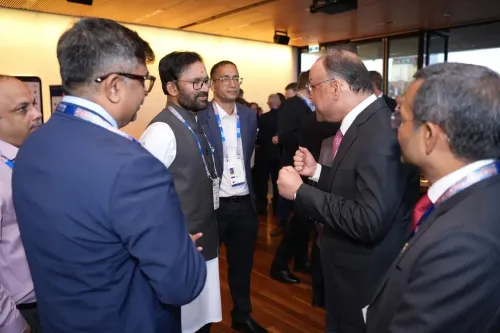
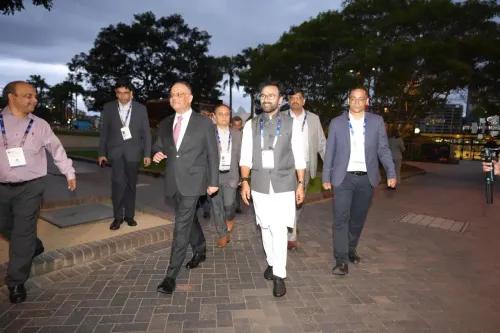
On the sidelines of his Australia visit, Union Coal and Mines Minister G. Kishan Reddy held talks with Ms. Jessica Pringle, President of Asia Pacific at Metso, zeroing in on global technology partnerships that could modernise India's mining sector. The conversation, flagged by the Minister on Tuesday, 27 October 2026, signals New Delhi's intent to plug the technology gap in extraction and mineral processing through direct industry outreach abroad.
Why Metso, and Why Now
Metso is not a peripheral player — the Finland-headquartered company is one of the world's foremost suppliers of equipment and services for mining, aggregates and metals processing. A sit-down with its Asia-Pacific president during a ministerial visit to Australia underscores how seriously India is courting established global technology vendors, not just raw-material sources.
India's own mineral ambitions have grown sharply. The Mines and Minerals (Development and Regulation) Amendment Act 2021 threw open more blocks to private and foreign participation through auction-based allocation, while the National Mineral Policy 2019 had already made technology induction and foreign investment cornerstones of sector reform. The legislative scaffolding is up; filling it with actual partnerships is the job at hand.
Australia as the Strategic Gateway
Australia is among the world's richest repositories of critical minerals — lithium, cobalt, rare earths — that India needs to build out its clean-energy and advanced-manufacturing supply chains. Ministerial visits to Australia have increasingly blended resource diplomacy with technology conversations, because mining the ore and processing it efficiently are two separate problems, and India needs answers to both.
Reddy's outreach to Metso fits exactly that pattern: pair a mineral-rich bilateral partner with a technology-competent global vendor, and bring the resulting capability home. The Ministry of Mines and the Coal Ministry, both tagged in the post alongside diplomatic missions in Sydney and Canberra, are the institutional nodes through which any follow-up would flow.
What a Deal Could Look Like
Conversations of this kind typically seed pilot projects, joint ventures with Indian public-sector miners, or formal Memoranda of Understanding that bind technology transfer to local manufacturing and skill-building commitments. Whether this one advances to that stage is not yet confirmed — but the ministerial stamp on the meeting elevates it above a routine trade-fair encounter.
Watch for updates in the next parliamentary session on foreign technology approvals in mining, and any announcements from India's public-sector mining majors on new equipment or processing partnerships.
If this conversation turns into a signed agreement, it would mark one more concrete step in India's effort to stop being merely a miner of raw earth and become a processor and value-adder — the difference between selling ore and selling a battery.
Point of View
But is actively recruiting global technology partners to upgrade domestic extraction and processing capabilities. The dual ministerial mandate — Coal and Mines — gives Reddy unusually wide leverage to broker deals that span the entire value chain from pit to plant. Australia is the ideal venue for such diplomacy, blending resource-rich bilateral goodwill with access to world-class vendors operating in the region. The real test will be whether these conversations materialise into binding agreements before India's next wave of mine-block auctions.
NationPress
27 Oct 2026
Frequently Asked Questions
Who is Jessica Pringle and what is Metso?
Jessica Pringle is the President of Asia Pacific at Metso, a Finland-headquartered global company that supplies equipment and services for mining, aggregates and metals processing. Metso is considered one of the world's leading mining technology providers.
Why did Kishan Reddy visit Australia?
G. Kishan Reddy, Union Minister of Coal and Mines, visited Australia to explore opportunities in India's mining sector, including discussions on global technology partnerships. Australia is a major source of critical minerals and a strategic bilateral partner for India.
What is India's policy on foreign technology in the mining sector?
India's National Mineral Policy 2019 emphasised induction of advanced technology and foreign investment to modernise mining. The MMDR Amendment Act 2021 further opened mine blocks to private and foreign participation through auction-based allocation.
What critical minerals could India gain from Australia partnerships?
Australia is rich in lithium, cobalt, and rare earths — minerals critical for India's clean-energy transition and advanced manufacturing supply chains. India-Australia mining cooperation aims to secure both raw material supply and processing technology.
What could follow from Kishan Reddy's meeting with Metso?
Potential outcomes include Memoranda of Understanding, pilot projects, or joint ventures between Metso and Indian public-sector mining companies. Updates may emerge in the next parliamentary session or through the Ministry of Mines and Coal Ministry.