Kishan Reddy Holds Industry Talks on Mining Efficiency and Growth
Synopsis
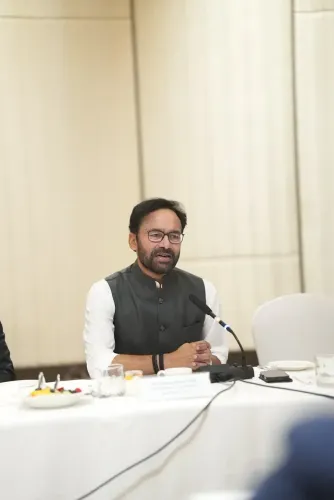
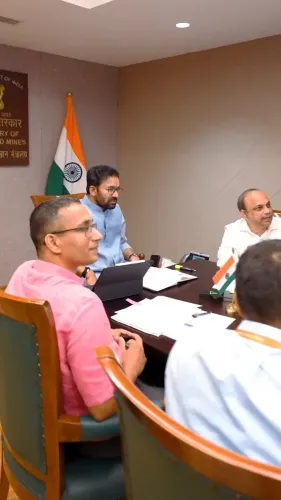
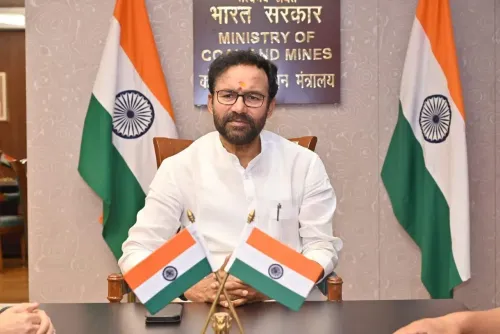
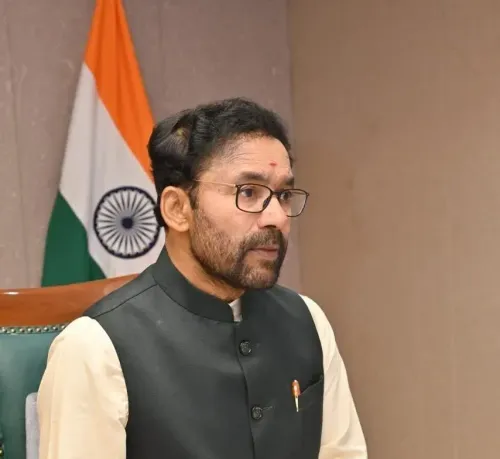
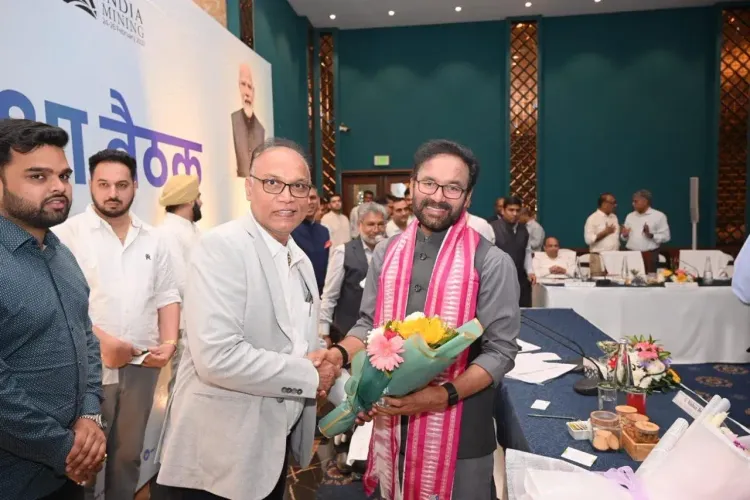
Union Coal and Mines Minister G. Kishan Reddy on November 3, 2026 convened industry stakeholder discussions centred on operational efficiency, sustainable mining, and growth opportunities, reaffirming the ministry's push for a transparent and progressive mining ecosystem.
Key Takeaways
Kishan Reddy held structured industry consultations on November 3, 2026 covering operational efficiency, industry concerns, sustainable mining practices, and new growth opportunities.
The minister emphasised that regular stakeholder engagement is essential to building a 'transparent, efficient and progressive mining ecosystem.' India's mining reform framework rests on two key laws: the Coal Mines (Special Provisions) Act, 2015 and the MMDR Amendment Act, 2021 .
Sustainability was explicitly placed alongside efficiency — reflecting India's dual goal of boosting domestic output while meeting climate commitments.
Follow-up policy outputs — revised mining guidelines or fresh auction timelines — may emerge from the intelligence gathered in such consultations.
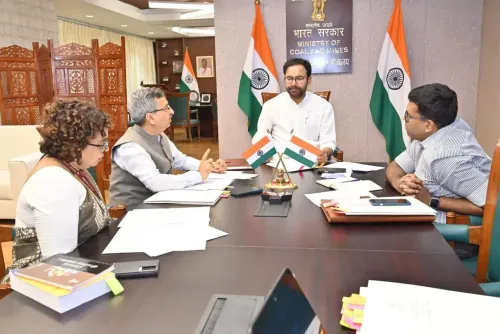
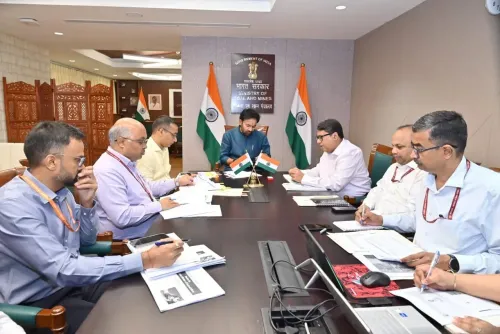
Keeping India's mining sector on a reform footing, Union Coal and Mines Minister G. Kishan Reddy on Tuesday, November 3, 2026, disclosed that he held structured discussions with industry stakeholders focused on boosting operational efficiency, resolving sector concerns, and charting new growth opportunities — with sustainability at the centre of the agenda.
What the Room Talked About
The minister's readout identified four clear pillars: enhancing operational efficiency, addressing industry concerns, promoting sustainable mining practices, and identifying new opportunities for growth. That is a notably wide canvas — it signals the meeting was not a ceremonial courtesy call but a working session with concrete agenda items.
Reddy underlined the philosophy driving the engagement: 'Regular engagement with industry stakeholders is vital to building a transparent, efficient and progressive mining ecosystem that strengthens the sector and contributes to India's economic growth.' The Ministry of Coal was tagged directly, placing the conversation squarely in official policy territory.
A Sector Still Mid-Reform
The consultation sits inside a decade-long structural overhaul of India's coal and mining landscape. The Coal Mines (Special Provisions) Act, 2015 — passed after the Supreme Court cancelled earlier opaque allocations — introduced competitive auctions for coal blocks. The Mines and Minerals (Development and Regulation) Amendment Act, 2021 pushed further, accelerating auction timelines and opening the door wider to private capital.
Yet reforms on paper and efficiency on the ground are two different things. Industry bottlenecks — from delayed environmental clearances to logistical chokepoints — persist, and stakeholder consultations like this one are the standard mechanism the ministry uses to surface and address them in real time.
Sustainability in the Mining Equation
The explicit mention of 'sustainable mining practices' is notable. India has been navigating a tightrope: ramping up domestic coal output to reduce import dependence while simultaneously honouring its climate commitments on the global stage. Folding sustainability into an operational-efficiency meeting — rather than siloing it as a separate environmental conversation — reflects a deliberate policy posture.
Watch for follow-up announcements: revised mining guidelines, fresh auction timelines, or possible movement on further amendments to the MMDR Act could all flow from the kind of ground-level intelligence gathered in meetings like this one.
Point of View
Slower phase where operational bottlenecks and industry trust actually determine outcomes. Reddy's framing of 'transparency' and 'sustainability' in the same breath is politically significant: it positions the BJP-led ministry as reform-minded on both economic and environmental axes ahead of potential parliamentary scrutiny of further MMDR amendments. Regular stakeholder dialogue also serves a governance optic — demonstrating responsiveness to industry without formal policy commitments. The real test will be whether this round of consultations produces measurable changes in auction timelines or clearance processes.
NationPress
4 Nov 2026
Frequently Asked Questions
What did G. Kishan Reddy discuss with mining industry stakeholders?
The discussions covered four areas: enhancing operational efficiency, addressing industry concerns, promoting sustainable mining practices, and identifying new opportunities for growth in India's mining sector.
Why does the Ministry of Coal hold regular industry consultations?
Regular stakeholder consultations are the ministry's standard mechanism for surfacing operational bottlenecks, aligning industry expectations with policy direction, and maintaining a transparent and efficient mining ecosystem.
What are the key laws behind India's coal and mining sector reforms?
The Coal Mines (Special Provisions) Act, 2015 introduced competitive block auctions after earlier allocations were cancelled, while the MMDR Amendment Act, 2021 accelerated auction processes and opened the sector further to private investment.
How does India balance coal production with sustainability goals?
India aims to raise domestic coal output to reduce import dependence while simultaneously embedding sustainable mining practices and meeting its international climate commitments — an approach reflected in the ministry's explicit inclusion of sustainability in operational discussions.
What policy developments could follow from Kishan Reddy's stakeholder meeting?
Possible follow-up actions include revised mining guidelines, updated auction timelines, or fresh amendments to the Mines and Minerals (Development and Regulation) Act, based on concerns raised during the consultation.