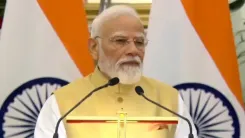
Kishan Reddy shares PM Modi's address at India-Japan Economic Forum
Synopsis
Union Coal and Mines Minister G. Kishan Reddy shared Prime Minister Narendra Modi's live address at the India-Japan Joint Economic Forum in New Delhi on 2 July 2026, spotlighting high-level bilateral economic engagement between India and Japan under the long-standing Strategic and Global Partnership framework.
Key Takeaways
Kishan Reddy , Union Minister of Coal and Mines, shared the live broadcast of PM Modi's address at the India-Japan Joint Economic Forum on 2 July 2026 .
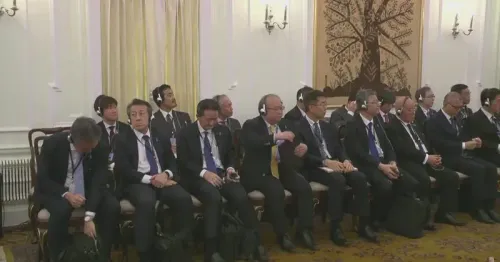
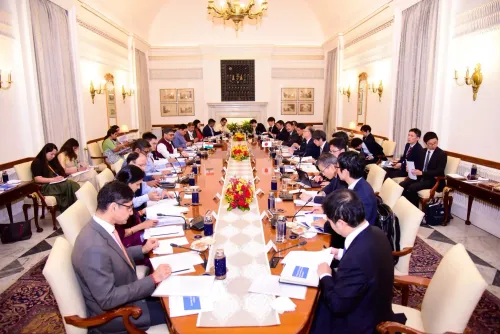
The forum was held in New Delhi and brought together policymakers and investors from both countries.
India and Japan have held annual bilateral summits since 2006 under their Strategic and Global Partnership framework.
The India-Japan CEPA , signed in 2011 , remains the foundation of bilateral trade and investment ties.
Japan committed financing for India's high-speed rail corridor in 2015 , reflecting deep infrastructure cooperation.
Outcomes from the forum are expected to feed into the agenda of the next annual India-Japan bilateral summit .
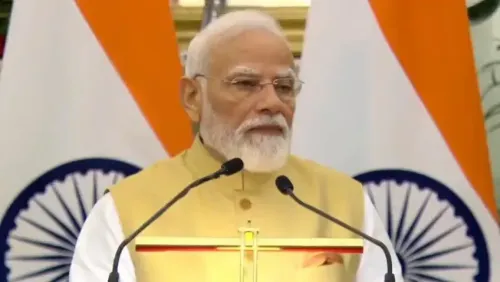
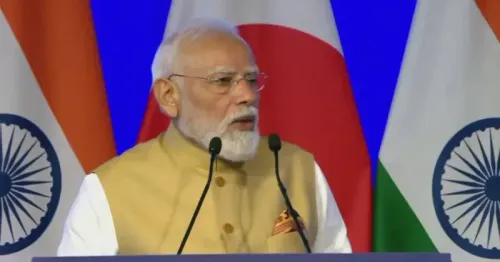
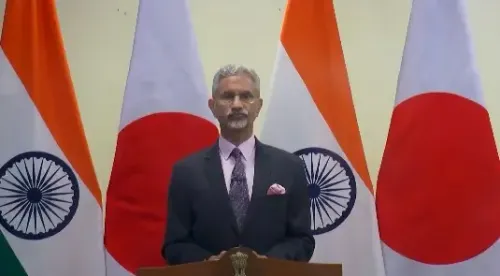
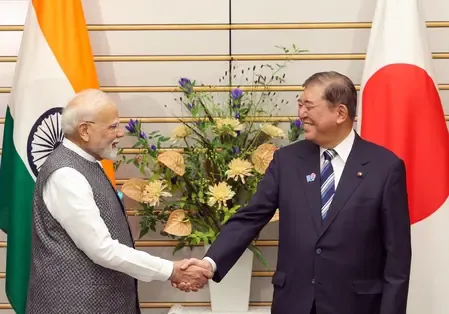
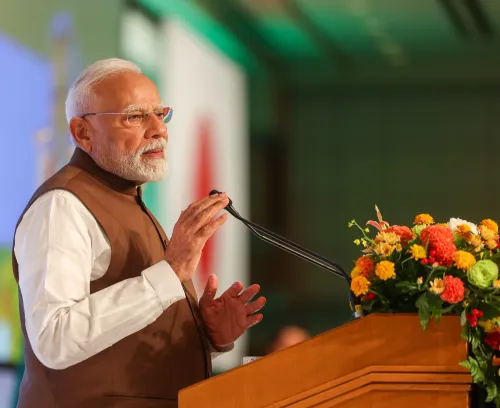
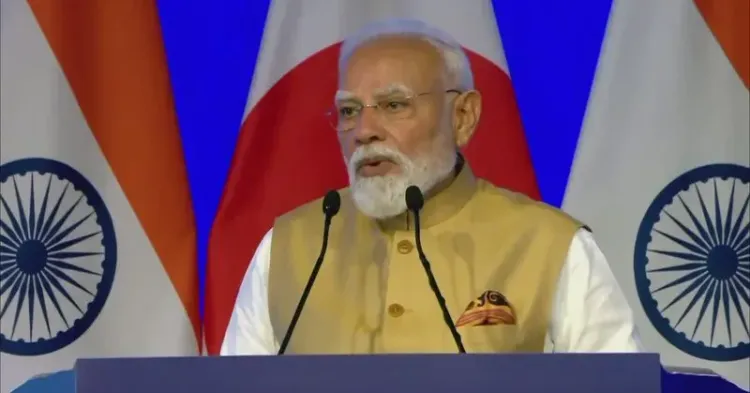
Union Coal and Mines Minister G. Kishan Reddy on Thursday, 2 July 2026, shared a live broadcast of Prime Minister Narendra Modi addressing the India-Japan Joint Economic Forum in New Delhi, drawing attention to the high-level bilateral economic engagement between the two nations.
Context
The India-Japan Joint Economic Forum brought together policymakers, industry leaders and investors from both countries to advance the bilateral economic agenda. PM Modi addressed the forum in New Delhi, underscoring the significance India places on its partnership with Japan as a cornerstone of its Act East Policy. Minister Kishan Reddy amplified the live address on the platform, signalling Cabinet-level attention to the forum's proceedings.
Policy Backdrop
India and Japan have held annual bilateral summits since 2006, when their relationship was elevated to a Strategic and Global Partnership covering economy, defence and technology. The two countries signed the India-Japan Comprehensive Economic Partnership Agreement (CEPA) in 2011, which liberalised trade and investment flows and remains the bedrock of their economic relationship. In 2015, Japan committed financing for India's flagship high-speed rail corridor, exemplifying the depth of infrastructure cooperation that has grown from this framework.
India's Act East Policy has consistently positioned Japan as a priority partner for attracting investment in infrastructure, advanced manufacturing and clean energy. High-level economic forums of this kind complement the regular summit-level dialogue and help translate strategic intent into concrete business commitments.
Stakeholders and Impact
Indian industry bodies and Japanese investors are the primary stakeholders watching the forum's outcomes, particularly any announcements on investment commitments, technology transfer or new project financing. For India, Japanese capital and technology remain critical inputs for sectors ranging from semiconductors and clean energy to urban mobility and logistics. For Japan, India's large and growing market, combined with its strategic location, makes deeper economic integration a geopolitical as well as commercial priority.
The forum also carries significance for Telangana, where Minister Kishan Reddy serves as BJP state president — Japanese companies have been active investors in the state's pharmaceutical and electronics manufacturing sectors, and outcomes from such forums can shape future investment flows at the state level.
What's Next
Observers will watch for concrete investment pledges, new project announcements or joint statements emerging from the forum. Any follow-up outcomes are expected to feed into the agenda of the next annual India-Japan bilateral summit, where leaders typically review progress on economic commitments and set new targets. The forum's proceedings may also inform ongoing negotiations to update the India-Japan CEPA, which both sides have discussed revising to reflect shifts in global supply chains and new areas of cooperation such as digital trade and green hydrogen.
Point of View
Such forums serve a dual purpose: signalling to Japanese investors that India remains open for business, and reinforcing the Act East Policy as a bipartisan strategic consensus. The broader pattern suggests that economic diplomacy with Japan will remain a pillar of India's foreign economic policy regardless of domestic political cycles.
NationPress
2 Jul 2026
Frequently Asked Questions
What is the India-Japan Joint Economic Forum?
The India-Japan Joint Economic Forum is a high-level bilateral platform that brings together policymakers, industry representatives and investors from India and Japan to advance economic cooperation, discuss investment opportunities and review progress on bilateral agreements such as the India-Japan CEPA.
What did PM Modi say at the India-Japan forum on 2 July 2026?
The specific contents of PM Modi's address at the India-Japan Joint Economic Forum on 2 July 2026 have not been detailed in the available information, but the address was broadcast live and shared by Union Minister G. Kishan Reddy on social media.
What is the India-Japan CEPA?
The India-Japan Comprehensive Economic Partnership Agreement (CEPA) is a bilateral trade and investment pact signed in 2011 that liberalised tariffs, expanded market access and deepened economic ties between the two countries. It remains the cornerstone of India-Japan economic relations.
Why is Japan important for India's Act East Policy?
Japan is a priority partner under India's Act East Policy because it is a major source of investment, technology and financing for infrastructure projects. Japan has committed funds for India's high-speed rail corridor and is active in sectors such as manufacturing, clean energy and urban mobility.
Who is G. Kishan Reddy?
G. Kishan Reddy is the Union Minister of Coal and Mines in the Government of India and the president of the BJP's Telangana state unit. He shared the live broadcast of PM Modi's address at the India-Japan Joint Economic Forum on 2 July 2026.