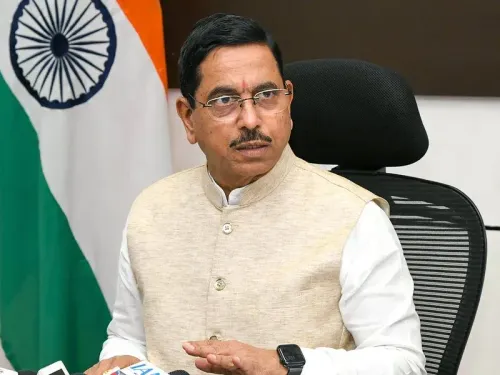
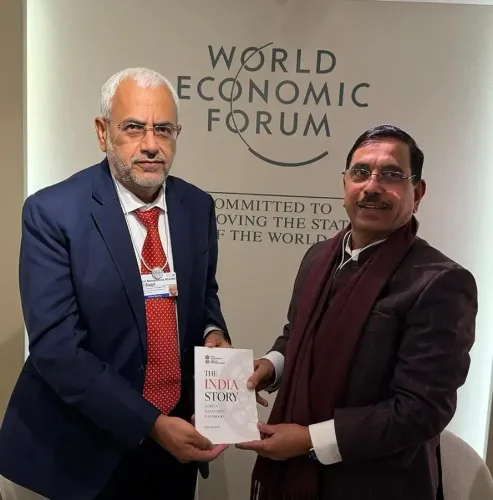
Pralhad Joshi: India-Japan to advance clean energy partnership
Synopsis
Union Minister Pralhad Joshi amplified PM Modi's remarks on 2 July 2026, spotlighting India-Japan cooperation on battery technologies, green hydrogen, and nuclear energy as a shared strategy to strengthen energy resilience and drive the global clean energy transition.
Key Takeaways
PM Modi framed India-Japan cooperation as a response to oil shock risks and a vehicle for long-term energy resilience.
The partnership covers three technology pillars: battery technologies , green hydrogen , and nuclear energy .
Both nations signed the India-Japan Civil Nuclear Agreement in 2016 , providing the legal foundation for nuclear cooperation.
India's National Green Hydrogen Mission (2023) aligns directly with Japan's complementary strengths in hydrogen and battery systems.
India and Japan described economic security as a 'shared responsibility' and the energy transition as a 'shared opportunity.' Next steps include joint pilot projects on green hydrogen and advanced batteries, and outcomes from the next India-Japan Annual Summit .
Union Consumer Affairs Minister Pralhad Joshi on Thursday, 2 July 2026, shared remarks by Prime Minister Narendra Modi underscoring a deepened India-Japan partnership on energy security, battery technologies, green hydrogen, and nuclear energy, framing the bilateral relationship as one built on shared economic security and a common stake in the global clean energy transition.
Context
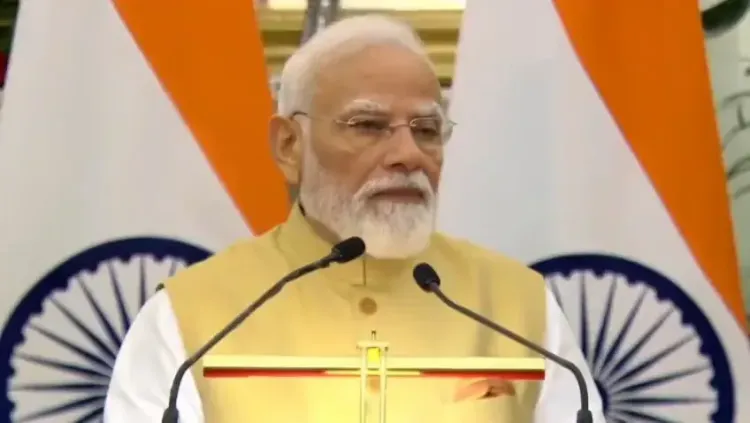
Quoting PM Modi, Minister Joshi highlighted that the two nations are taking 'an important initiative to strengthen energy resilience' in response to scenarios such as oil shocks. The post reflects messaging from what appears to be a high-level India-Japan engagement, with Modi described as having stated: 'India and Japan view economic security as a shared responsibility and the energy transition as a shared opportunity.'
The statement covers three technology pillars — battery technologies, green hydrogen, and nuclear energy — positioning their cooperation as a 'significant contribution to the world's clean energy future.'
Policy Backdrop
India and Japan have a substantial foundation for this cooperation. The two countries signed the India-Japan Agreement for Cooperation in the Peaceful Uses of Nuclear Energy in 2016, enabling civil nuclear commerce and technology exchange. A joint statement on deepening energy and technology ties was issued at the 2017 Annual Summit, establishing a framework that successive governments have built upon.
On the green hydrogen front, India launched its National Green Hydrogen Mission in 2023, targeting large-scale domestic production and deployment as part of the country's net-zero commitments. Japan, with its advanced capabilities in hydrogen systems, battery technologies, and nuclear safety standards, is a natural partner in executing this agenda.
India's broader strategy has been to diversify energy partnerships — particularly with Quad partners — to reduce exposure to oil supply disruptions while simultaneously scaling up renewables and nuclear capacity. Japan fits precisely into this supply-chain resilience and economic-security framework.
Stakeholders and Impact
The cooperation spans multiple sectors: energy industries on both sides stand to benefit from joint technology development, while bilateral technology partners in battery systems and hydrogen infrastructure are positioned to gain from pilot projects and commercial agreements. For India, the partnership supports its stated goal of reducing fossil fuel dependence and meeting climate commitments.
For Japan, engagement with India's large and growing energy market offers strategic depth amid its own energy security concerns. The framing of 'economic security as a shared responsibility' signals that both governments see energy interdependence as a geopolitical stabiliser, not merely a commercial arrangement.
What's Next
Attention will now turn to the rollout of joint pilot projects on green hydrogen and advanced battery technologies, as well as the outcomes of the next India-Japan Annual Summit. PM Modi's language — 'transforming these shared aspirations into concrete outcomes' — suggests both sides are moving from framework agreements toward implementation-stage deliverables. Progress on these fronts will be a key indicator of how substantively the partnership translates into on-ground energy infrastructure and technology transfer.
Point of View
Green hydrogen, and nuclear energy is not incidental; it maps precisely onto India's most significant clean energy gaps and Japan's most exportable technological strengths. By invoking oil shock resilience, the statement also implicitly acknowledges India's continued vulnerability to global commodity volatility, lending urgency to the diversification agenda. Whether the partnership produces concrete deliverables beyond summitry will be the real test of this diplomatic momentum.
NationPress
2 Jul 2026
Frequently Asked Questions
What did PM Modi say about India-Japan energy cooperation?
PM Modi stated that India and Japan view economic security as a shared responsibility and the energy transition as a shared opportunity, with cooperation in battery technologies, green hydrogen, and nuclear energy aimed at strengthening energy resilience and contributing to the world's clean energy future.
What is the India-Japan Civil Nuclear Agreement?
The India-Japan Agreement for Cooperation in the Peaceful Uses of Nuclear Energy, signed in 2016 , enables civil nuclear commerce and technology collaboration between the two countries, forming the legal backbone of their nuclear energy partnership.
What is India's National Green Hydrogen Mission?
India's National Green Hydrogen Mission , launched in 2023 , is a government programme to scale domestic production and deployment of green hydrogen as part of India's net-zero climate commitments.
Why is Japan important for India's energy security?
Japan brings complementary strengths in battery systems, hydrogen technologies, and nuclear safety standards that align with India's energy diversification goals, making it a key partner in reducing India's vulnerability to oil supply disruptions.
What are the next steps in India-Japan energy cooperation?
Key milestones to watch include the rollout of joint pilot projects on green hydrogen and advanced battery technologies , as well as concrete outcomes from the next India-Japan Annual Summit.