India-Netherlands green hydrogen pact: Joint Working Group, green corridor planned
Synopsis
India and the Netherlands have moved beyond diplomatic intent — they are now building the institutional plumbing for a green hydrogen corridor to Europe. With a Joint Working Group on renewables and a co-drafted hydrogen action plan in the works, this is one of the most operationally specific clean energy frameworks India has signed, and a direct step toward monetising its green hydrogen ambitions on the global stage.
Key Takeaways
Union Minister Pralhad Joshi announced the India-Netherlands clean energy cooperation framework on 17 May via a post on X .
A Joint Working Group on Renewable Energy will hold regular meetings covering green hydrogen , bioenergy, battery storage, and circular feedstocks.
Both countries will co-draft an action plan for renewable hydrogen and develop a green corridor between India and the Netherlands .
A second Joint Working Group will focus on climate adaptation and mitigation , enabling technology and knowledge exchange.
Cooperation will also span biofuels , circular economy, and waste-to-energy through the Global Biofuels Alliance and International Solar Alliance .
The framework supports India's goal of becoming a major green hydrogen exporter to Europe .
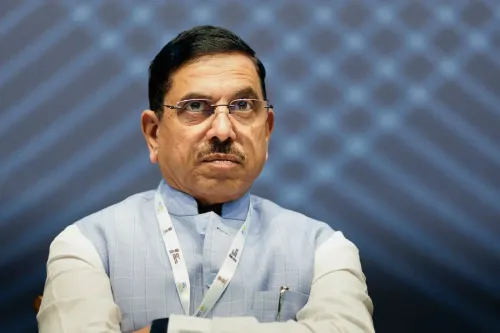
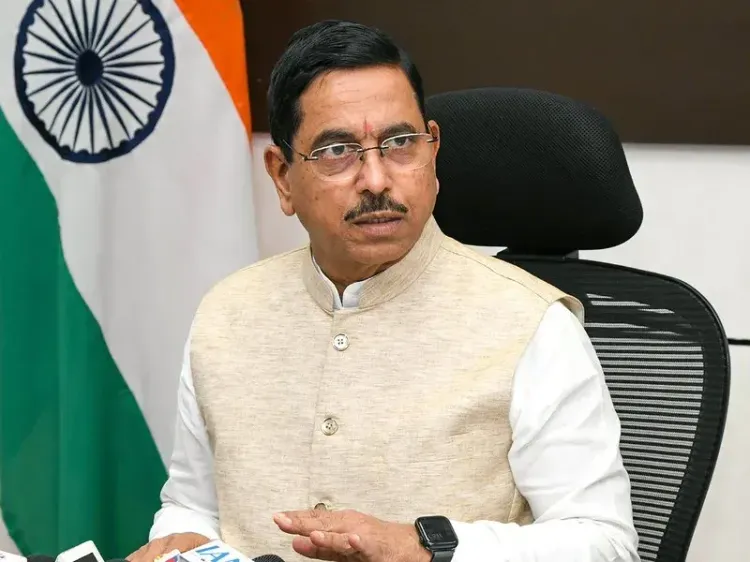
Union Minister for New and Renewable Energy Pralhad Joshi on Sunday, 17 May said that bilateral cooperation between India and the Netherlands in renewable energy, green hydrogen, and energy transition will strengthen clean energy innovation, attract fresh investments, and support India's emergence as a global green hydrogen hub. The minister shared the details in a post on social media platform X.
What the Cooperation Framework Covers
The partnership establishes a Joint Working Group on Renewable Energy that will convene regular meetings to exchange best practices, deepen understanding of each other's industrial ecosystems, and facilitate partnerships across green hydrogen, bioenergy, bio-chemicals, circular feedstocks, renewables, and battery storage.
Both nations have additionally agreed to co-draft an action plan for joint activities in renewable hydrogen, including the development of a green corridor between India and the Netherlands — a dedicated clean energy trade link aimed at positioning India as a significant green hydrogen exporter to Europe.
Climate and Environmental Commitments
A second Joint Working Group, focused on climate adaptation and mitigation, will facilitate the exchange of knowledge, best practices, and technology to tackle shared environmental challenges. This broader climate partnership reflects the two countries' commitment to coordinated action beyond energy production alone.
India and the Netherlands will also deepen cooperation in biofuels, the circular economy, and waste-to-energy projects through multilateral platforms such as the Global Biofuels Alliance and the International Solar Alliance.
What Joshi Said
'Cooperation in renewable energy, green hydrogen and energy transition will strengthen clean energy innovation, boost investments, create new economic opportunities and support India's emergence as a global green hydrogen hub,' Joshi said. He added that 'these outcomes further reinforce India's commitment towards sustainable growth, energy security and a cleaner future.'
Why This Deal Matters for India
The agreement arrives as India accelerates its National Green Hydrogen Mission, which targets production of 5 million metric tonnes of green hydrogen annually by 2030. The Netherlands, a major European energy importer and port hub through Rotterdam, offers India a strategically valuable entry point into European clean energy markets. This is notably one of the first bilateral frameworks to explicitly outline a green corridor connecting the two countries, signalling a shift from intent to infrastructure-level planning.
As both countries formalise the working groups and action plans, the next milestones will be the inaugural Joint Working Group meetings and the release of the joint renewable hydrogen action plan.
Point of View
Since infrastructure-level green hydrogen trade between South Asia and Europe has no proven template yet. For India, the Netherlands is a smart first European partner given Rotterdam's role as the continent's largest port and a planned hydrogen import hub. The real test will be whether working group outputs translate into offtake agreements and private capital — the two things that actually move green hydrogen from policy to production.
NationPress
20 Oct 2026
Frequently Asked Questions
What is the India-Netherlands green hydrogen cooperation agreement?
It is a bilateral clean energy framework announced on 17 May 2025 under which India and the Netherlands will set up a Joint Working Group on Renewable Energy, co-draft a renewable hydrogen action plan, and develop a green energy corridor linking the two countries. The agreement also covers biofuels, circular economy, and climate adaptation.
What is the proposed green corridor between India and the Netherlands?
The green corridor is a planned clean energy trade link between India and the Netherlands designed to facilitate green hydrogen exports from India to Europe. It is part of a joint action plan being developed by both governments and is expected to support India's ambitions of becoming a major green hydrogen supplier to the European market.
What will the Joint Working Group on Renewable Energy do?
The Joint Working Group will hold regular meetings to share best practices, promote knowledge of each other's industrial ecosystems, and facilitate industrial partnerships in green hydrogen, bioenergy, bio-chemicals, circular feedstocks, renewables, and battery storage.
How does this agreement support India's green hydrogen mission?
India's National Green Hydrogen Mission targets 5 million metric tonnes of annual production by 2030. The Netherlands partnership provides a direct European market entry point and an institutional framework — including working groups and a green corridor — to convert that production capacity into export revenue.
Which multilateral platforms will India and the Netherlands use for cooperation?
The two countries will collaborate through the Global Biofuels Alliance and the International Solar Alliance, among other platforms, to deepen ties in biofuels, circular economy, and waste-to-energy projects.